

Hey there! Ever wondered why mushrooms are such a big deal in the food chain? These little fungi might not seem like much at first glance, but they play a crucial role in maintaining the balance of our ecosystems. Let’s dive into the fascinating world of mushrooms and explore why are mushrooms important to the food chain.
The Basics: What Are Mushrooms?
Fungi Kingdom
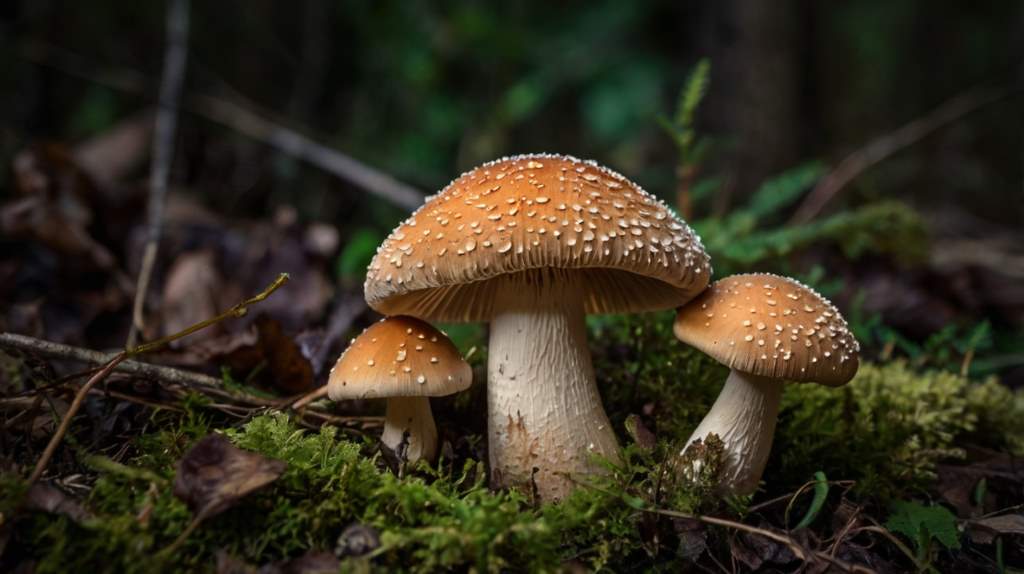
Mushrooms belong to the fungi kingdom, which is separate from plants, animals, and bacteria. They come in various shapes, sizes, and colors, and can be found in almost every environment on Earth. Unlike plants, mushrooms don’t photosynthesize. Instead, they get their nutrients from breaking down organic matter.
Decomposers Extraordinaire
One of the primary roles of mushrooms in the food chain is decomposition. They break down dead organic material, such as fallen leaves, dead trees, and even animal carcasses. This process is essential for nutrient cycling, as it returns vital elements like carbon, nitrogen, and phosphorus back into the soil.
Mushrooms as Decomposers
Nutrient Recycling
Mushrooms release enzymes that break down complex organic compounds into simpler forms. This process frees up nutrients that plants and other organisms can use. Without mushrooms, these nutrients would remain locked in dead matter, making them unavailable for new growth.
Soil Enrichment
By decomposing organic matter, mushrooms enrich the soil with nutrients. This enriched soil supports plant growth, which in turn supports herbivores and the carnivores that feed on them. In this way, mushrooms help sustain the entire food chain.
Bioremediation
Mushrooms also play a role in bioremediation, which is the process of using organisms to clean up contaminated environments. Certain types of mushrooms can break down pollutants and toxins, helping to restore the health of ecosystems.
Mushrooms as Food
A Source of Nutrients
Mushrooms are a valuable food source for many animals, including insects, birds, and mammals. They are rich in nutrients like protein, vitamins, and minerals, making them an important part of the diet for these creatures.
Human Consumption
Humans have been eating mushrooms for thousands of years. They are a versatile ingredient in many cuisines and are prized for their unique flavors and textures. Some mushrooms, like shiitake and maitake, are also known for their medicinal properties.
Symbiotic Relationships
Mycorrhizal Fungi
Many mushrooms form symbiotic relationships with plants through mycorrhizal associations. In this relationship, the fungi colonize the plant roots and help them absorb water and nutrients from the soil. In return, the plants provide the fungi with carbohydrates produced through photosynthesis.
Benefits to Plants
This symbiotic relationship is beneficial for both parties. The plants get access to more nutrients and water, which helps them grow stronger and healthier. The fungi, on the other hand, get a steady supply of food. This mutualistic relationship is crucial for the health of many ecosystems.
Ecological Importance
Maintaining Balance
Mushrooms play a vital role in maintaining the balance of ecosystems. By breaking down dead organic matter, they prevent the accumulation of debris and help recycle nutrients. This process supports plant growth, which in turn supports the entire food web.
Habitat Creation
Mushrooms also create habitats for other organisms. The decaying wood and leaf litter they break down provide shelter and food for insects, small mammals, and other fungi. This contributes to the biodiversity and resilience of ecosystems.
Threats to Mushrooms
Habitat Loss
Like many other organisms, mushrooms face threats from habitat loss. Deforestation, urbanization, and agricultural expansion can destroy the habitats that mushrooms rely on. This not only affects the mushrooms themselves but also the entire ecosystems they support.
Pollution
Pollution is another significant threat to mushrooms. Contaminants in the soil and water can harm mushroom populations and disrupt their role in nutrient cycling and bioremediation. Protecting mushroom habitats from pollution is essential for maintaining healthy ecosystems.
Over-Harvesting
Over-harvesting of wild mushrooms can also pose a threat. While foraging for mushrooms is a popular activity, it’s important to do so sustainably. Over-harvesting can deplete mushroom populations and disrupt the balance of ecosystems.
Conclusion
Mushrooms are much more than just a tasty addition to your dinner plate. They play a crucial role in the food chain by decomposing organic matter, recycling nutrients, and supporting plant growth. Their symbiotic relationships with plants and their role in bioremediation further highlight their importance in maintaining the balance of ecosystems.
Do you clear why are mushrooms important to the food chain? So next time you see a mushroom, take a moment to appreciate the vital work it’s doing behind the scenes. These little fungi are true unsung heroes of the natural world.


