
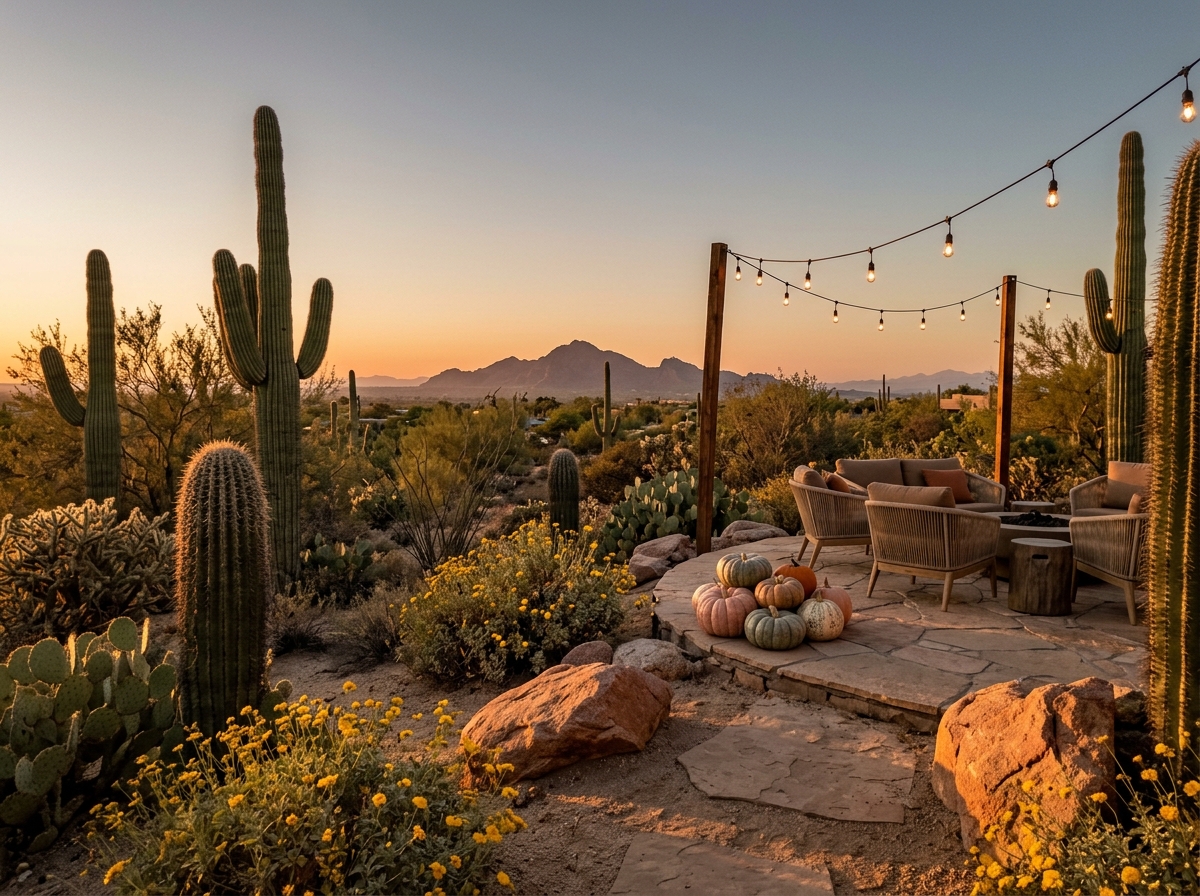
By late September, most of the country is pulling out sweaters. Phoenix residents are still waiting for the temperature to drop below 100°F. That seasonal lag is exactly why autumn in the Valley of the Sun feels less like a countdown to winter and more like a second spring — a brief, glorious window when you can finally eat outside, hike without a 5 a.m. alarm, and spend a full day at a fairground without wilting. If your calendar is still empty, the Arizona State Fair Phoenix events are usually the anchor of the season, but they’re only one item on a list that deserves a full weekend or two. This guide focuses on what’s actually worth your time between late September and Thanksgiving, plus the timing details that trip up first-time fall visitors.
Quick Answer
Autumn in the Valley of the Sun runs roughly from late September through November, and it’s the best window of the year for outdoor activity because daytime highs finally fall out of the triple digits. Build your bucket list around four categories: major festivals and fairs (the Arizona State Fair is the biggest), hiking and outdoor recreation, food and drink events, and seasonal road trips to places like Sedona, Prescott, or the Mogollon Rim. Go early in the season for high-country trips and later for desert activities.
Key Takeaways
- Autumn is Phoenix’s prime outdoor season, but the shift is gradual — late September can still hit triple digits, while November evenings often drop into the 50s.
- The Arizona State Fair is typically the largest single autumn event in the Valley, so plan around it rather than trying to fit it into an already-packed weekend.
- High-country destinations like Sedona and Prescott are best visited in October, before overnight temperatures turn genuinely cold at elevation.
- Many fall events sell out or require timed-entry tickets, so booking ahead matters more than it does in summer.
- Desert hikes are far more enjoyable in November than September — if you only have one autumn weekend free, save it for later in the season.
Why Autumn Is the Valley’s Real Outdoor Season
Phoenix has two genuinely comfortable seasons — spring and autumn — and autumn tends to be the more reliable of the two. Spring can swing wildly, with an early heat wave in April or a late cold snap in March. Autumn is more predictable: the heat breaks gradually through October, and by November you’re looking at daytime highs in the 70s and low 80s, which is close to ideal for almost任何 outdoor activity.
The catch is that “autumn” in Phoenix doesn’t match the calendar you grew up with. Leaves don’t change color in the desert until December, if at all. Pumpkin-spice season arrives while it’s still 95°F outside. And the first genuinely cool morning — the kind where you reach for a jacket — often doesn’t show up until late October or early November. Plan your bucket list around that reality rather than around the equinox.
A Rough Temperature Timeline
Late September: highs still commonly reach the high 90s to low 100s. Early October: high 80s to mid 90s. Late October: low 80s. November: 70s, with cool mornings in the 50s. This matters because it determines which activities belong in which month. A desert hike in September is a heat-safety exercise; the same hike in November is a pleasure.
The Big Events: Fairs, Festivals, and Seasonal Traditions
The Arizona State Fair is the single largest autumn event in the Valley and typically runs for several weeks in October, though exact dates shift year to year. It combines midway rides, livestock and agricultural exhibits, concerts, and a food lineup that has become a genre of its own. If you only do one large-scale event this season, this is usually the one.
Beyond the fair, the Valley fills its autumn calendar with a mix of cultural festivals, food and wine events, outdoor markets, and holiday-adjacent traditions that start appearing in November. Rather than list events that change dates every year, it’s more useful to know the categories so you can search effectively when you’re planning:
- Agricultural and county fairs — the largest category, with the State Fair as the anchor.
- Food and drink festivals — wine, beer, tacos, chili, and harvest-themed events, often in Scottsdale, Tempe, or downtown Phoenix.
- Cultural festivals — Dia de los Muertos events, Native American arts markets, and heritage celebrations, many of which are free.
- Holiday light displays — these start in mid-November and run through December, so they overlap with late autumn.
- Outdoor concerts and markets — farmers markets, artisan fairs, and amphitheater shows that were unbearable in July.
How to Avoid the Crowd Problem
Large autumn events in Phoenix share a common pattern: weekends are packed, and weeknights or early weekend mornings are far more enjoyable. If your schedule allows, go to the State Fair on a Tuesday or Wednesday evening. You’ll wait less, eat more comfortably, and actually see the exhibits instead of being shuffled through them. The same logic applies to most food festivals — the first hour after opening is almost always the calmest.
Hiking and Outdoor Recreation: What to Do and When
This is where timing matters most. The difference between a September hike and a November hike in the Valley isn’t just comfort — it’s safety. Heat-related illness is a real risk through October on exposed desert trails, and the rule of thumb is simple: if the forecast high is above 90°F, either start before sunrise or pick a shaded or high-elevation trail.
Good autumn options by month:
- September — stick to high-elevation trails outside the Valley (Prescott, Payson, Flagstaff) or very early morning urban trails like those in the Phoenix Mountain Preserve.
- October — Camelback Mountain, Piestewa Peak, and South Mountain become manageable if you start early.
- November — almost everything is fair game, including full-day hikes and desert trails that are miserable in summer.
Beyond Hiking
Autumn also opens up activities that are impractical in summer: golf, tennis, pickleball, cycling, and outdoor rock climbing. If you’ve been putting off a round of golf or a long bike ride because of the heat, October and November are when you should schedule it. Just remember that course and trail availability fills up fast on weekends once the weather turns.
Autumn Road Trips From the Valley
One advantage of Phoenix’s location is that you can be in genuinely different climates within two hours. Autumn is the ideal time to take advantage of that, because the high country is still mild while the desert is finally comfortable.
| Destination | Drive Time | Best Month | Why Go in Autumn |
|---|---|---|---|
| Sedona | ~2 hours | October | Mild temps, red rock views, cooler than the Valley |
| Prescott | ~1.75 hours | October | Ponderosa pines, cooler air, walkable downtown |
| Flagstaff | ~2.25 hours | Late September–October | Genuine fall foliage, aspen color on the Peaks |
| Mogollon Rim | ~2.5 hours | September–October | Best hiking weather, cooler than Phoenix by 20°F+ |
| Tucson | ~1.75 hours | November | Desert museum, food scene, similar climate shift |
A practical warning: fall weekends in Sedona and Flagstaff get busy, especially in October when leaf-peeping peaks. Book lodging well in advance if you’re staying overnight, and consider leaving Phoenix very early to beat the traffic on I-17.
What About the Grand Canyon?
The Grand Canyon’s South Rim is about a 3.5-hour drive from Phoenix and is excellent in autumn — fewer crowds than summer, cooler temperatures, and clear skies. It’s a longer trip and usually deserves an overnight stay, so treat it as its own weekend rather than an add-on.
Food, Drink, and Seasonal Eating
Autumn is when Phoenix’s outdoor dining scene finally becomes usable. Patios that sat empty all summer fill up, and restaurants that had been running on takeout traffic get busy again. This is also the season for a few Valley-specific food traditions worth seeking out:
- Patio dining resurgences — downtown Phoenix, Old Town Scottsdale, and Roosevelt Row all become far more enjoyable.
- Farmers markets — most Valley markets run year-round but hit their stride in fall with more vendors and produce.
- Wine and beer events — Arizona’s wine country near Cottonwood and Jerome is at its best in October.
- Holiday-adjacent food traditions — tamale season, Thanksgiving-adjacent pop-ups, and holiday markets begin appearing in November.
A Note on Timing Your Reservations
Because autumn is short and the demand spike is real, popular restaurants and event venues book out faster in October and November than at almost any other time of year. If you have a specific place in mind, reserve it a week or two ahead rather than assuming you can walk in.
Common Mistakes to Avoid
A few mistakes show up again and again among people experiencing their first Phoenix autumn:
- Assuming September is cool. It usually isn’t. Treat late September as “still summer” and plan accordingly.
- Booking a Sedona trip for late November. It can be genuinely cold and sometimes snowy at that elevation. October is the safer bet.
- Ignoring timed-entry tickets. Many large autumn events now require them. Check before you drive out.
- Underestimating evening temperature drops. November evenings can be 40°F or more cooler than the afternoon. Bring a layer.
- Packing too much into one weekend. The State Fair alone can eat a full day. Space out your bucket list items so you actually enjoy them.
Frequently Asked Questions
When does fall weather actually arrive in Phoenix?
Reliably comfortable weather usually arrives in mid-to-late October. September and early October can still see highs above 100°F. By November, daytime highs are typically in the 70s.
Is the Arizona State Fair worth visiting?
For most first-time visitors, yes. It’s the largest single autumn event in the Valley and offers a combination of food, rides, exhibits, and concerts that’s hard to match elsewhere. Weeknights are significantly less crowded than weekends.
What is the best month for a Sedona day trip?
October is generally the sweet spot — mild temperatures, clear skies, and fall color beginning to appear. Late November can be cold at that elevation.
Can you hike Camelback Mountain in the fall?
Yes, but time it carefully. October hikes should start at sunrise. November is more forgiving, though the trail is exposed and still requires water and sun protection.
Are there free autumn events in the Valley?
Yes. Many cultural festivals, farmers markets, and holiday light displays are free or low-cost. Dia de los Muertos events and some downtown markets typically don’t charge admission.
How far in advance should I plan a fall weekend trip?
For high-country destinations like Sedona or Flagstaff in October, book lodging four to six weeks ahead. For local Phoenix events, a week or two is usually enough unless the event requires timed entry.
Conclusion
Phoenix’s autumn is short, and that’s precisely why it’s worth planning rather than stumbling into. Anchor your season around the Arizona State Fair if it’s your first fall here, then branch out into hiking, a high-country road trip, and at least one patio dinner you could never have enjoyed in July. Prioritize November for desert activities and October for anything at elevation. If you do that, you’ll get more out of three months than most people get out of a full year in the Valley.


