

When it comes to selecting the right golf shaft, there’s one often overlooked but crucial factor that can make a huge difference in your game—torque. But what is torque in a golf shaft, and why does it matter? If you’re new to golf or just beginning to fine-tune your equipment, this concept might sound a bit technical, but don’t worry! We’re breaking it down to make it simple and accessible.
Before diving into the nitty-gritty, if you want to explore various golf equipment options or even dive deeper into the impact of torque on your golf game, feel free to explore Thehickorygolfhub. In this article, we’ll explore how torque affects your swing, and why understanding it can help you make better decisions for your golf game.
What is Torque in Golf Shaft?
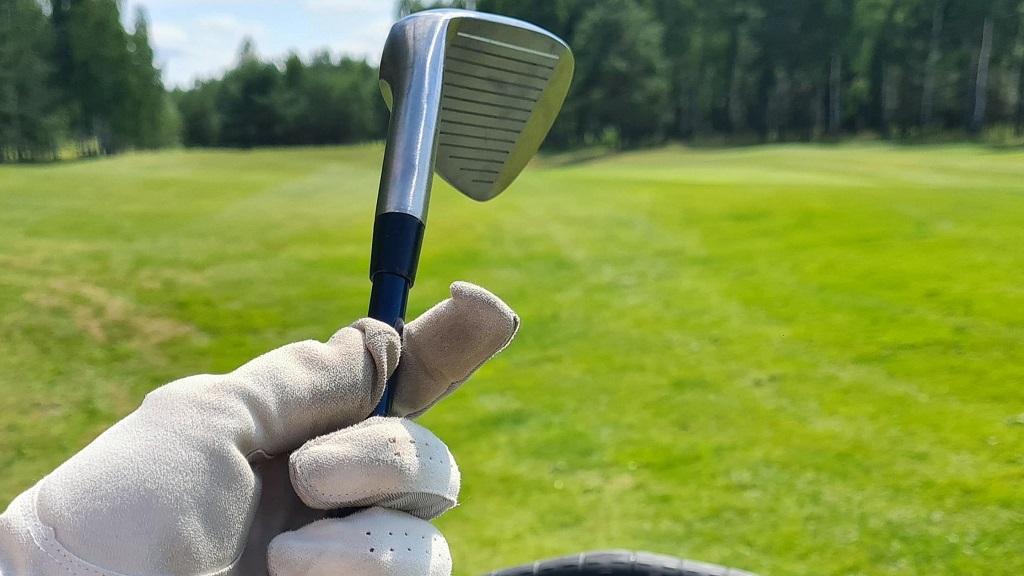
At its core, torque in a golf shaft refers to the amount of twisting the shaft experiences during your swing. When you hit the ball, the golf shaft doesn’t stay perfectly straight. Instead, it rotates slightly (like a twist) due to the force applied during the swing. This twisting motion can either help or hinder your performance, depending on how well it suits your individual swing style and needs.
Torque is typically measured in degrees, and a higher torque number means the shaft will twist more, while a lower number means it twists less. This concept might seem subtle, but it can play a significant role in the flight and accuracy of your shots.
Read More Also: Signs of a Bad HDMI Cable
How Does Torque Affect Your Game?
- Control and Accuracy
One of the most important factors torque affects is control. A low-torque shaft will experience less twisting, allowing for a more stable and controlled shot. Golfers who tend to have faster swing speeds or who are looking for more accuracy might prefer lower torque shafts. Lower torque shafts reduce the “whip” effect in your shot, which helps keep the ball on a more controlled path.
On the other hand, if your swing speed is slower, a higher torque shaft can help provide a little more forgiveness. The extra twisting of the shaft can help increase distance by generating a bit more flex at impact, leading to a higher ball launch.
- Distance vs. Accuracy Balance
For golfers looking to find the right balance between distance and accuracy, understanding torque becomes crucial. A high-torque shaft may help with more distance, but it can also cause unwanted dispersion (the ball may veer off target). It’s a delicate balance that ultimately depends on your playing style and what you value more in your shots.
Choosing the Right Torque for Your Swing Style
Selecting the right torque depends on factors like swing speed, feel, and control. Here’s a simple breakdown:
- Low Torque (2-3 degrees): Ideal for fast swingers who need stability and precision. Professional players and advanced amateurs often prefer this range.
- Medium Torque (3-5 degrees): Great for golfers with moderate swing speeds who seek a good balance of control and distance.
- High Torque (5+ degrees): Best suited for slower swingers or beginners who need a more forgiving shaft to help with distance.
Real-Life Example: Finding the Right Shaft for You
Imagine two golfers, Alice and Bob. Alice is a seasoned pro with a quick swing, while Bob is still learning the ropes and has a slower swing. Alice would benefit from a low torque shaft because it would help with her control and precision, giving her more consistent shots. Bob, however, might benefit from a higher torque shaft because the additional flexibility can help him gain more distance while maintaining a comfortable feel.
Why Torque Matters More Than You Think
The right amount of torque not only affects the accuracy of your shots but also your comfort level while playing. If you’ve ever felt like your shots are inconsistent or “off,” your shaft’s torque might be the culprit. Finding a shaft with the correct torque for your swing can help eliminate some of these inconsistencies and add a level of comfort you might not even realize you were missing.
TaylorMade Bubble Shaft Grip: A Good Example of Torque in Action
While torque is often discussed in terms of the shaft’s flexibility, the grip you choose also plays an important role in how you experience it. For instance, the TaylorMade Bubble Shaft Grip is designed to enhance your control over the shaft and, by extension, your torque. The grip helps ensure that you can harness the potential of your torque, giving you greater stability during your swing. If you’re curious about how to regrip your clubs, you can find a guide on how to do so effectively here.
Torque and Your Swing Speed
As mentioned earlier, torque and swing speed go hand in hand. Golfers with faster swing speeds will generally benefit from lower torque because their quick swings generate enough force to cause the shaft to twist excessively. A lower torque shaft helps mitigate this effect, allowing for more controlled shots.
On the other hand, golfers with slower swing speeds might want to opt for a shaft with a higher torque rating. The extra twisting action can help generate more distance, as the shaft’s flexibility adds power to the shot.
Torque vs. Flexibility: Which Is More Important?
Some golfers might confuse torque with flexibility, but the two are distinct factors. Flex refers to how much the shaft bends during the swing, while torque refers to how much it twists. Both are important, but torque plays a unique role in the overall feel of the club. A shaft can have high torque but low flexibility or vice versa, and finding the right combination for your swing will make a big difference.
Conclusion: Find the Right Torque for Your Game
In summary, torque in a golf shaft refers to how much the shaft twists during your swing, and it plays a significant role in your game. Whether you’re looking for more control or greater distance, the torque of your shaft can help you achieve your goals. When choosing a golf shaft, make sure to consider your swing speed and playing style to find the right torque for your needs.


