

When it comes to your dog’s health, one of the most impactful decisions you can make is the food you feed them. You’ve likely heard of store-bought dog food, but have you considered making your dog’s meals from scratch? Homemade dog food can offer numerous health benefits, including fresher ingredients, customizable portions, and a more nutrient-dense diet. In this article, we’ll walk you through the basics of how to make homemade dog food, why it’s a good idea, and the simple steps you can take to ensure your dog gets the best meals possible.
If you’re curious to explore a great range of pet products, you can explore Homepetusa, a platform that provides a variety of pet care solutions that might complement your homemade dog food journey.
Why Homemade Dog Food is a Healthy Choice
Homemade dog food offers several advantages over commercial pet food, including:
- Fresher Ingredients: Homemade dog food uses fresh ingredients, so you can avoid processed meats, preservatives, and artificial flavors commonly found in store-bought food.
- Customizable Nutrition: You can tailor your dog’s meals to their specific needs, taking into account their age, weight, breed, and any health concerns they might have.
- Better Control Over Ingredients: Many commercial pet foods contain low-quality ingredients, fillers, or by-products. With homemade dog food, you have complete control over what goes into your pet’s meals.
- No Allergens: Some dogs have food sensitivities or allergies. Making food at home allows you to control what your dog eats and avoid any allergens that might trigger a reaction.
In fact, studies have shown that dogs fed homemade meals are less likely to suffer from obesity, allergies, and gastrointestinal issues compared to those on a diet of processed dog food.
Steps to Make Homemade Dog Food
-
Choose the Right Ingredients
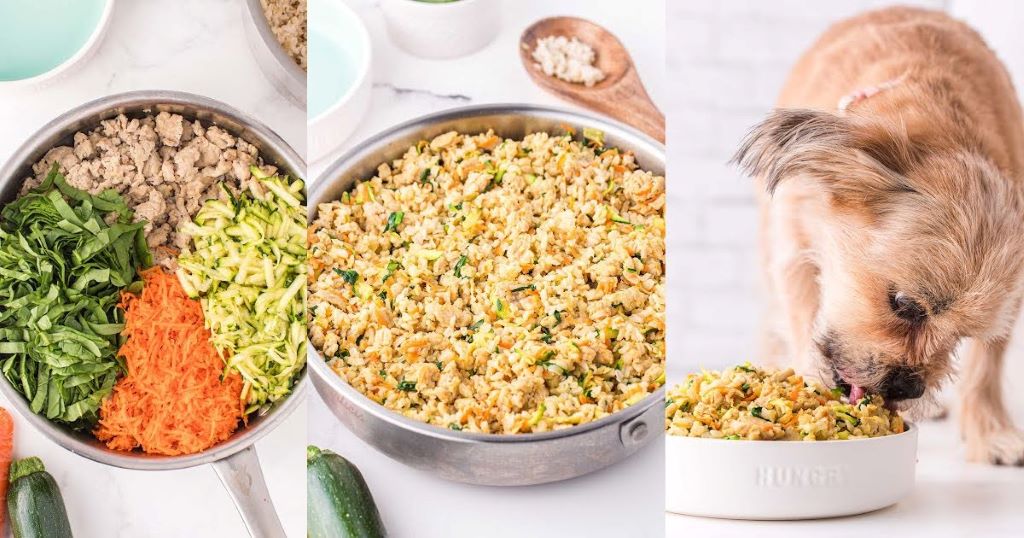
The first step in making homemade dog food is choosing the right ingredients. Here’s a breakdown of the main food categories you’ll need:
Proteins
Protein is a crucial part of your dog’s diet. Some great options include:
- Chicken (boneless and skinless)
- Turkey
- Beef
- Fish (salmon or sardines, but without bones)
- Lamb
Carbohydrates
Carbohydrates provide your dog with energy. Good choices include:
- Brown rice
- Sweet potatoes
- Quinoa
- Oats
Vegetables
Veggies are a great source of vitamins and minerals for your dog. Try adding:
- Carrots
- Peas
- Green beans
- Spinach
- Pumpkin
Healthy Fats
Fats help to maintain healthy skin and coat. Include healthy fat sources like:
- Olive oil
- Coconut oil
- Fish oil
Supplements
You can enhance your dog’s diet by adding supplements like:
- Calcium (important for bone health)
- Omega-3 fatty acids
- Multivitamins (optional, based on your vet’s recommendation)
-
Cooking the Ingredients
Once you’ve chosen your ingredients, it’s time to cook. Here are a few simple steps to follow:
- Cook the Protein: For chicken, turkey, or beef, cook thoroughly to avoid any bacteria or parasites. Steaming, boiling, or baking is usually the best method.
- Cook the Carbs: Boil sweet potatoes or brown rice until soft and fully cooked. For quinoa or oats, follow the instructions on the packaging.
- Prepare the Veggies: Cook vegetables like carrots, peas, and spinach to make them easier for your dog to digest. You can steam or lightly sauté them.
- Combine: Mix the cooked protein, carbs, and veggies together. Add a spoonful of olive oil or fish oil for a boost of healthy fats.
-
Portioning the Food
Dogs need a specific amount of food based on their size, age, and activity level. As a general guideline:
- Small Dogs (10-20 lbs): 1/2 to 3/4 cups per meal
- Medium Dogs (20-50 lbs): 1 to 1 1/2 cups per meal
- Large Dogs (50+ lbs): 2 to 3 cups per meal
This is a rough estimate. It’s important to consult with your vet to determine the exact amount your dog needs to stay healthy and avoid overfeeding.
-
Storing Homemade Dog Food
Homemade dog food can be refrigerated for up to 3 days. If you plan to make a larger batch, divide it into smaller portions and freeze what you won’t use immediately. Always let the food cool down before storing, and use airtight containers to prevent contamination.
Nutritional Considerations for Homemade Dog Food
Dogs need a balanced diet that includes the right proportions of protein, carbohydrates, fats, and essential vitamins and minerals. While homemade food can be healthy, it’s important to get the balance right. Some dogs might need extra supplements or specific types of food due to health conditions such as diabetes, kidney disease, or food allergies.
Before switching to homemade dog food, it’s best to consult with your veterinarian or a pet nutritionist to ensure your dog’s diet meets all of their nutritional needs.
How to Notify Chewy of Pet Death
It’s never easy to lose a beloved pet, and when the time comes, handling their accounts can be challenging. If you’ve ordered products or services from Chewy, you may need to inform them of your pet’s passing. To know the proper steps on how to notify Chewy of pet death, read How to Notify Chewy of Pet Death for detailed guidance on how to handle the situation.
You Might Enjoy: Can You Freeze Okra? Preserving the Goodness of This Summer Veggie
Conclusion
Making homemade dog food is a rewarding way to show your pet how much you care. By using fresh, wholesome ingredients, you can ensure your dog gets a diet that is tailored to their needs. Whether you’re looking to improve your dog’s health or simply provide them with a delicious treat, homemade meals are a great choice.
Remember to consult your vet for guidance on specific nutritional needs and portion sizes, and always keep track of how your dog reacts to new food. Homemade dog food can improve your pet’s life in so many ways—giving them the right food is the first step to a long and healthy relationship with your furry friend.


