

Setting up solar panels for your RV is one of the best decisions you can make for a sustainable, off-grid lifestyle. Whether you’re a full-time RVer or someone who loves hitting the road for weekends away, solar power offers the freedom to explore without worrying about being tethered to a campsite or electric hookups. Imagine waking up to the sound of birds chirping, not generators, while your RV’s solar system quietly powers everything you need. This guide will walk you through the process step-by-step, providing insights into why it’s beneficial, and how to make sure you’re set up for success on the road.
If you’ve ever wondered how to make your RV more self-sufficient, explore Jamesonsjourney for more tips on sustainable travel and RV living.
Why You Should Set Up Solar Panels for Your RV
There are plenty of reasons why solar power is a game-changer for RV owners. First and foremost, it’s a renewable energy source, which means you’re reducing your carbon footprint while on the road. Solar panels allow you to be more independent, providing power without the need for noisy and sometimes expensive generators. Additionally, solar power reduces reliance on traditional electric hookups, giving you the freedom to camp almost anywhere.
Another great perk of installing solar panels for your RV is cost savings. While the initial installation may have a price tag, over time, the money you save on gas for generators and campsite fees can add up. It’s an investment that pays off!
How Do Solar Panels for RVs Work?
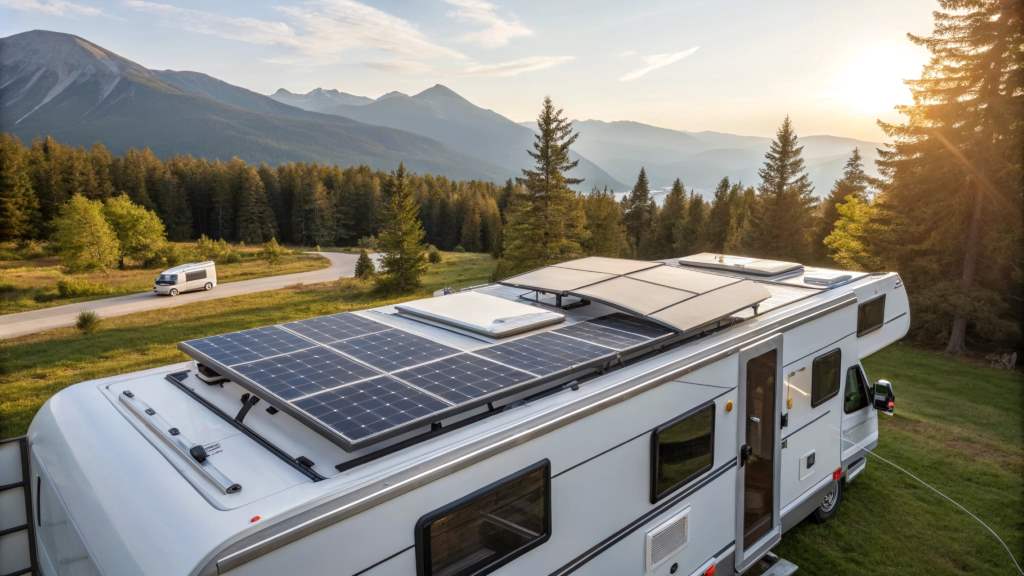
To get started, it’s important to understand the basic setup of an RV solar system. Solar panels convert sunlight into electricity using photovoltaic cells. This electricity is then stored in batteries for later use. The key components of an RV solar power system include:
- Solar Panels: These collect sunlight and convert it into DC (direct current) power.
- Charge Controller: This regulates the flow of electricity from the solar panels to the batteries to prevent overcharging.
- Batteries: Solar panels don’t work on their own—they charge batteries that store the power for use when the sun isn’t shining.
- Inverter: This device converts the DC power stored in the batteries into AC (alternating current) power that can run most of your RV appliances.
Step-by-Step Guide to Set Up Solar Panels for Your RV
Step 1: Choose the Right Solar Panels for Your RV
The first step in setting up solar panels for your RV is choosing the right solar panels. There are various options available, from flexible panels to rigid, monocrystalline, and polycrystalline types. The most efficient are monocrystalline panels, but they tend to cost more. Flexible panels are lighter and more versatile, making them a popular choice for RVs with limited roof space.
When deciding on the size, consider your energy needs. Will you be running appliances like a microwave, air conditioning, or just the basics like lights and a small fridge? You can calculate your power needs by adding up the wattage of all the devices you plan to power.
Step 2: Determine the Ideal Placement of Solar Panels
The next step is placing the panels. Roof-mounted panels are the most common setup for RVs. Measure your roof to determine how much space is available, and ensure you position the panels in a way that maximizes sun exposure. Panels should face the sun for as long as possible throughout the day to generate the most power.
Step 3: Install the Solar Charge Controller
The charge controller plays a critical role in ensuring that the batteries don’t get overcharged, which could damage them. This device is connected between the solar panels and the batteries. It monitors the energy flow and adjusts it to keep your system running safely and efficiently.
Step 4: Mount the Solar Panels
Once your panels are ready and your placement is final, it’s time to mount them. This step may require drilling holes in your RV’s roof to secure the panels or using brackets for flexible panels. Be sure to follow the instructions provided with your solar kit, as some systems come with adhesive backing, allowing for easier mounting.
Step 5: Connect the Solar Panels to the Batteries
Now that the panels are mounted, it’s time to connect them to the batteries. This is usually done through the charge controller. Use the correct gauge of wiring to ensure that the power flowing from the panels to the batteries is safe and efficient.
Step 6: Install the Inverter
Once the panels are hooked up to the batteries, it’s time to install the inverter. This is a crucial step if you plan to run appliances that use AC power. The inverter should be close to the batteries, as this will minimize the loss of energy. Ensure that it is properly safe and that all connections are tight and safe.
Step 7: Test the System
Before hitting the road, it’s a good idea to test the system. Ensure that the panels are charging the batteries properly and that the inverter is providing the necessary AC power. You can monitor the system’s performance through a battery monitor, which helps you keep track of your power usage.
Maintaining Your RV Solar Power System
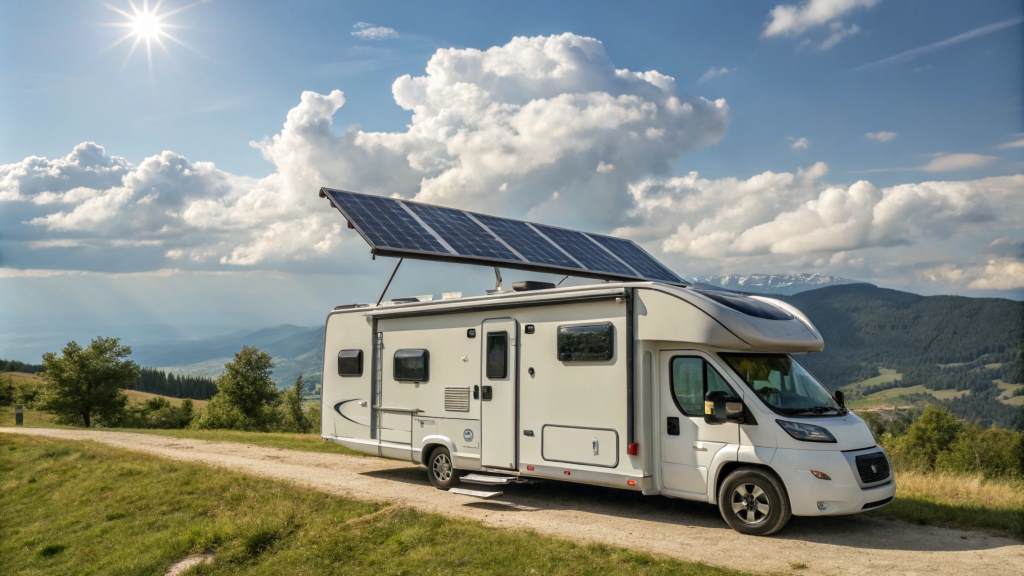
After setting up your solar panels, maintenance is key to keeping the system running efficiently. Here are some tips for maintaining your RV solar setup:
- Clean Your Panels Regularly: Dust and debris can reduce the efficiency of your solar panels. Clean them using a soft cloth and mild soap, and avoid using harsh chemicals.
- Check the Batteries: You should check Batteries periodically for corrosion and damage. Make sure they are properly ok and not left in a state of overcharge or deep discharge.
- Monitor Your Power Usage: Keep track of your energy consumption and make adjustments to your power-hungry appliances if necessary.
For more on the joys of off-grid RV camping in beautiful locations, check out Big Sur RV camping for tips on camping in one of California’s most stunning spots.
How Much Does It Cost to Set Up Solar Panels for Your RV?
The cost of installing solar panels on your RV depends on several factors, including the type of panels, the size of the system, and whether you install it yourself or hire a professional. A basic solar panel setup can cost anywhere between $600 and $2,500, while larger, more complex systems may run upwards of $5,000 or more.
Is it Worth It to Set Up Solar Panels for Your RV?
If you’re someone who enjoys long-term travel, remote camping, or being able to stay off the grid for extended periods, setting up solar panels for your RV is absolutely worth it. The upfront cost is an investment that pays off in the long run, especially when you factor in the savings on fuel, generator wear and tear, and campsite fees. Plus, you’re doing your part to reduce your environmental impact.
Conclusion
Solar panels are a game-changer for RV owners who want to go off-grid without compromising on comfort. By setting up a solar system, you gain freedom and independence, enjoy cleaner energy, and reduce long-term costs. Plus, the installation process is more accessible than you might think! Whether you’re heading to a remote campground or simply looking for a more eco-friendly way to power your RV, solar panels are the perfect solution. Ready to take your RV adventures to the next level?


