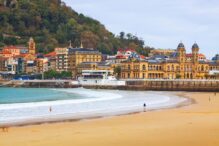

Spain captivates millions of visitors annually with its rich cultural heritage, stunning architecture, and vibrant lifestyle. While most travelers flock to the popular tourist destinations, the real magic of Spain lies beyond the beaten path. At Jamesons Journey, we believe that discovering a country’s hidden gems provides the most authentic and memorable experiences. This comprehensive guide will unveil Spain’s best-kept secrets, from charming medieval villages to pristine natural wonders that remain largely untouched by mass tourism.
Most international visitors concentrate their itineraries around Spain’s major cities in Spain, missing out on countless extraordinary destinations that showcase the country’s diverse landscapes and local traditions. However, venturing into lesser-known territories reveals a different side of Spain, where authentic culture thrives and genuine connections with locals become possible. Additionally, these hidden attractions often offer better value for money and provide more intimate experiences without the overwhelming crowds.
Enchanting Medieval Villages Worth Discovering
Spain’s countryside harbors numerous medieval villages that transport visitors back in time through their well-preserved architecture and timeless atmosphere. Albarracín in Teruel province stands out as one of Spain’s most beautiful villages, featuring pink-hued buildings perched dramatically on clifftops. The narrow cobblestone streets wind through ancient walls, leading to breathtaking viewpoints overlooking the surrounding valleys.
Furthermore, Santillana del Mar in Cantabria offers visitors a perfectly preserved medieval experience. This cobblestone gem, often called the “town of three lies” because it’s neither holy, flat, nor by the sea, showcases remarkable Romanesque architecture. The town’s golden stone buildings and flower-filled balconies create a fairy-tale atmosphere that remains largely undiscovered by international tourists.
Meanwhile, Cudillero in Asturias presents a unique coastal medieval charm. This fishing village cascades down steep hillsides toward a picturesque harbor, with colorful houses creating a stunning amphitheater effect. The village maintains its traditional fishing industry, allowing visitors to experience authentic Spanish coastal life while enjoying fresh seafood in family-run restaurants.
Hidden Natural Wonders Beyond Tourist Trails
Spain’s natural diversity extends far beyond its famous beaches and mountain ranges. The Bardenas Reales in Navarra offers an otherworldly landscape resembling the American Southwest. This semi-desert natural park features dramatic rock formations, deep ravines, and vast plains that change color throughout the day. The area remains relatively unknown to international visitors, making it perfect for photography enthusiasts and nature lovers seeking solitude.
Additionally, the Fragas do Eume Natural Park in Galicia protects one of Europe’s best-preserved Atlantic forests. Ancient oak and birch trees create a mystical environment along the Eume River, while medieval monasteries hide among the dense vegetation. The park offers numerous hiking trails that lead to hidden waterfalls and scenic viewpoints overlooking the dramatic coastline.
Moreover, the Cabo de Gata Natural Park in Andalusia showcases Spain’s most pristine Mediterranean coastline. Volcanic landscapes meet crystal-clear waters, creating secluded coves and beaches accessible only by foot. The park’s unique ecosystem supports numerous endemic species, making it a paradise for birdwatchers and marine life enthusiasts.
Authentic Cultural Experiences Off the Beaten Path
Experiencing Spanish culture authentically requires venturing beyond tourist-focused attractions. The village of Besalú in Catalonia offers visitors a glimpse into medieval Jewish culture through its remarkably preserved Jewish quarter and ancient synagogue remains. The town’s Romanesque bridge and narrow streets provide an intimate setting for understanding Spain’s multicultural history.
However, for those seeking living traditions, the town of Chinchón near Madrid delivers authentic Spanish rural culture. The circular Plaza Mayor, surrounded by traditional wooden balconies, regularly hosts local festivals and markets where visitors can interact with residents and purchase locally-made products. The town’s anise liqueur production continues using traditional methods passed down through generations.
Furthermore, the Basque village of Getaria combines authentic maritime culture with culinary excellence. This coastal town, birthplace of explorer Juan Sebastián Elcano, maintains its traditional fishing industry while serving some of Spain’s best seafood. Local restaurants offer cooking classes where visitors learn to prepare traditional Basque dishes using fresh, locally-sourced ingredients.

Secret Architectural Marvels and Historical Sites
Spain’s hidden architectural treasures rival its famous monuments in beauty and historical significance. The Monastery of San Juan de la Peña in Huesca, built into a massive rock overhang, represents one of Europe’s most unique religious complexes. This cradle of the Kingdom of Aragon features remarkable Romanesque cloisters and houses the tomb of several medieval kings.
Additionally, the Castle of Loarre in Aragon stands as one of Europe’s best-preserved Romanesque fortresses. Perched dramatically on a rocky outcrop, this 11th-century castle offers panoramic views of the surrounding plains while showcasing exceptional medieval military architecture. The castle’s excellent preservation allows visitors to explore authentic medieval living spaces and defensive systems.
Moreover, the Roman Theatre of Mérida in Extremadura, though less famous than other Roman sites, presents one of the world’s best-preserved ancient theaters. Still used for performances during summer festivals, this UNESCO World Heritage site demonstrates the continuity between ancient and modern Spanish culture.
Gastronomic Adventures in Lesser-Known Regions
Spain’s culinary diversity shines brightest in its lesser-known regions, where traditional recipes remain unchanged by commercial influences. The region of Extremadura offers unique flavors through its Iberian ham production and distinctive cheese-making traditions. Local producers welcome visitors for tastings and explanations of traditional production methods that have remained unchanged for centuries.
Similarly, the Ribeira Sacra wine region in Galicia produces exceptional wines on steep terraced vineyards overlooking the Miño and Sil rivers. These family-owned wineries offer intimate tastings combined with breathtaking scenery, providing a more personal experience than mass-market wine tours. The region’s heroic viticulture, practiced on slopes reaching 85-degree angles, creates wines with unique characteristics impossible to replicate elsewhere.
Furthermore, the province of Cáceres in Extremadura showcases traditional Spanish cuisine through its numerous local festivals and markets. Visitors can participate in olive oil tastings, learn about traditional bread-making techniques, and discover unique local products like pimentón de la Vera, a distinctive smoked paprika essential to Spanish cuisine.
Planning Your Off-the-Beaten-Path Spanish Adventure
Successfully exploring hidden Spain requires careful planning and flexibility. Renting a car provides the freedom to explore remote villages and natural areas at your own pace. However, public transportation connects many smaller towns, particularly in northern Spain where bus networks serve rural communities effectively.
Accommodation in these hidden destinations often consists of family-run guesthouses, rural tourism properties, and small boutique hotels that offer personalized service and local knowledge. Booking directly with these establishments not only supports local communities but often results in better rates and insider tips about nearby attractions.
Therefore, timing your visit during shoulder seasons (spring and fall) ensures better weather, fewer crowds, and more opportunities for authentic interactions with locals. Many festivals and traditional celebrations occur during these periods, providing unique cultural experiences unavailable during peak tourist seasons.
Frequently Asked Questions
What is the best time to visit Spain’s hidden attractions? The optimal time for exploring Spain’s lesser-known destinations is during spring (April-May) and fall (September-October). These months offer pleasant weather, fewer crowds, and many local festivals. Additionally, accommodation prices are lower, and locals have more time to interact with visitors.
How can I find authentic local experiences in Spain? Connect with local tourism offices, stay in family-run accommodations, and participate in local festivals or markets. Learning basic Spanish phrases helps enormously in smaller towns where English may not be widely spoken. Consider hiring local guides who can provide insider knowledge about hidden spots and cultural nuances.
Is it safe to travel to remote areas of Spain alone? Spain is generally very safe for solo travelers, including in remote areas. However, inform someone of your itinerary, carry a charged phone, and research local emergency contacts. Mountain and coastal areas may have specific safety considerations, so check weather conditions and inform local authorities of hiking plans when necessary.
What should I pack for exploring hidden Spain? Pack comfortable walking shoes, layers for changing weather, a good map or GPS device, and basic Spanish phrasebooks. A portable charger, first aid kit, and water bottle are essential for remote areas. Don’t forget a camera to capture unique moments and landscapes you won’t find in typical tourist destinations.
How much Spanish do I need to know for off-the-beaten-path travel? While basic Spanish significantly enhances your experience, it’s not absolutely necessary. Learn essential phrases for greetings, asking for directions, and ordering food. Many locals appreciate visitors’ efforts to speak Spanish, even if imperfect, and this often leads to warmer interactions and better local recommendations.
Conclusion
Exploring Spain like a local opens doors to extraordinary experiences that mainstream tourism cannot provide. From medieval villages frozen in time to pristine natural landscapes and authentic cultural encounters, hidden Spain offers rewards far beyond typical tourist attractions. These undiscovered gems provide opportunities for genuine connections with local communities while supporting sustainable tourism practices that preserve Spain’s cultural heritage and natural beauty.
The journey into hidden Spain requires curiosity, flexibility, and a willingness to embrace the unexpected. However, travelers who venture beyond the conventional routes discover a country rich in diversity, tradition, and natural splendor. Whether seeking architectural marvels, culinary adventures, or simply peaceful retreats from modern life, Spain’s hidden attractions deliver unforgettable experiences that create lasting memories and deeper cultural understanding.
Read More:
10 Quiet Beaches for Autistic Travelers With Sensory Sensitivities