

Every dog owner knows the importance of a reliable leash. It keeps your furry friend safe during walks and gives you control in unexpected situations. However, many people believe quality leashes must cost a fortune. This common misconception prevents pet owners from finding affordable options that actually work well.
The truth is that you can find durable leashes without emptying your wallet. Understanding what makes a leash strong helps you identify good deals. Additionally, knowing where to look and what to avoid saves both money and frustration. This guide will help you make smart choices that protect your budget while keeping your dog secure.
Understanding What Makes a Leash Durable
Before shopping for an affordable leash, you need to understand durability factors. Several components determine whether a leash will last or break quickly. Knowledge about these elements helps you evaluate options effectively.
Material quality plays the largest role in leash longevity. Nylon remains one of the most popular choices for budget-conscious buyers. It resists weather damage and maintains strength over time. Moreover, nylon leashes dry quickly after wet walks. This prevents mildew and deterioration that plague inferior materials.
Polyester offers another excellent option for strength and affordability. This material handles regular wear exceptionally well. Furthermore, it holds color better than many alternatives. Your leash will look newer for longer periods.
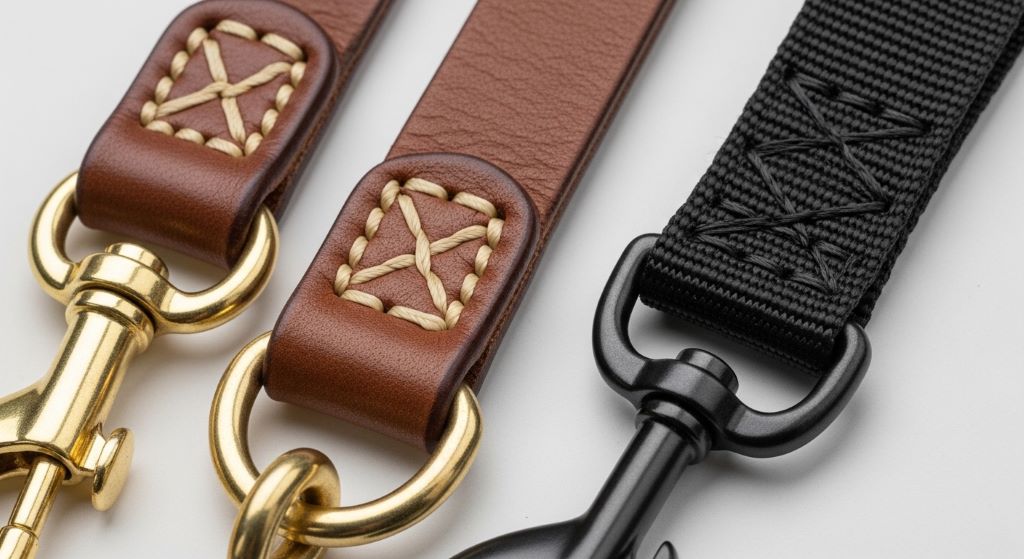
Stitching patterns reveal manufacturing quality quickly. Double or triple stitching at stress points indicates thoughtful construction. These areas include where the handle connects and where hardware attaches. Additionally, even stitching without loose threads suggests careful assembly. Poor stitching often causes premature failure regardless of material quality.
Hardware components deserve careful examination. Metal clasps should feel substantial and operate smoothly. Plastic hardware costs less but breaks more easily under stress. Therefore, prioritize metal components even when choosing budget options. Swivel clasps prevent tangling and reduce wear on connection points.
Width and thickness affect durability significantly. Thicker leashes generally withstand more force without breaking. However, they must match your dog’s size appropriately. A massive leash on a small dog creates unnecessary bulk. Conversely, thin leashes on large dogs risk failure during pulls.
Determining the Right Leash for Your Dog’s Size
Matching leash strength to your dog’s weight prevents both overspending and safety issues. Different sized dogs need different specifications. Understanding these requirements guides your purchasing decisions.
Small dogs weighing under 20 pounds need leashes around half an inch wide. These provide adequate control without excessive weight. Additionally, lighter leashes feel more comfortable during extended walks. Look for options with smaller, lightweight clasps that won’t burden tiny necks.
Medium dogs between 20 and 60 pounds require slightly more substantial leashes. Three-quarter inch width offers good balance between strength and manageability. Furthermore, this size handles occasional pulling without strain. Most medium dogs do well with standard four to six-foot lengths.
Large dogs over 60 pounds demand stronger construction throughout. One-inch wide leashes provide necessary strength for bigger breeds. Moreover, reinforced stitching becomes essential at this size. Large dogs can exert significant force when excited or startled. Your leash must withstand these moments safely.
Pulling behavior influences leash requirements regardless of size. Dogs that constantly pull need extra durability features. Consider leashes with padded handles for your comfort. Additionally, training can reduce pulling and extend leash life. However, until training succeeds, choose accordingly.
Activity level impacts wear patterns significantly. Highly active dogs who walk daily need more durable options. Conversely, occasional walkers can use lighter-duty leashes successfully. Assess your specific situation honestly before purchasing.
Where to Find Affordable Quality Leashes
Knowing where to shop dramatically affects your ability to find cheap but strong leash options. Different retailers offer varying price points and quality levels. Strategic shopping helps you discover the best deals.
Pet supply stores often carry house brands at lower prices. These store brands frequently match name-brand quality while costing less. Additionally, sales and clearance sections offer excellent opportunities. Sign up for store loyalty programs to receive exclusive discounts and coupons.
Online marketplaces provide vast selection and competitive pricing. Websites allow easy comparison shopping across multiple brands. Furthermore, customer reviews reveal real-world durability information. Read reviews carefully to identify patterns in quality feedback. However, watch for shipping costs that might negate savings.
Discount retailers carry surprising selections of pet supplies. Stores specializing in closeouts sometimes stock quality leashes. These items might be discontinued colors or styles. Nevertheless, the underlying quality often remains excellent. Visit these stores regularly as inventory changes frequently.
Agricultural supply stores serve farmers and ranchers with working dogs. Their leashes must withstand serious use and harsh conditions. Therefore, quality standards tend to be high. Prices often beat traditional pet stores significantly. Don’t overlook these specialized retailers when searching.
Direct manufacturer websites occasionally offer better deals than retailers. Buying directly eliminates middleman markup in some cases. Additionally, manufacturers run sales and promotions regularly. Subscribe to email lists for notification about special offers.
Identifying Red Flags in Cheap Leashes
Not all budget leashes offer good value. Some cut corners in ways that compromise safety and durability. Learning to spot warning signs prevents wasted money on inadequate products.
Extremely thin materials signal potential problems immediately. Leashes should feel substantial when held. If material seems flimsy or weak, trust your instincts. Additionally, check how materials feel when stretched slightly. Quality materials resist stretching and quickly return to shape.
Plastic hardware on larger dog leashes raises serious concerns. Plastic clasps cannot withstand the forces strong dogs generate. They may work temporarily but will fail eventually. Furthermore, plastic components often break in cold weather. Metal hardware costs only slightly more while providing vastly superior reliability.
Poor stitching quality appears in several ways. Look for uneven stitches, loose threads, or skipped stitches. These indicate rushed or careless manufacturing. Moreover, single stitching at stress points suggests cost-cutting that affects durability. Even budget leashes should show attention to construction details.
Missing brand information might indicate questionable origins. Reputable manufacturers proudly display their names. Anonymous products sometimes come from unreliable sources. Additionally, lack of warranty or return policies suggests low confidence in quality. Established brands stand behind their products.
Suspiciously low prices deserve investigation. While deals exist, prices far below market rates raise questions. Research typical pricing for leashes before shopping. This knowledge helps you recognize genuine deals versus potentially unsafe products.
Materials That Offer Best Value
Certain materials consistently deliver strength at reasonable prices. Understanding these options helps you focus your search effectively. Each material has distinct advantages worth considering.
Nylon leads the pack for budget-friendly durability. This synthetic material resists rot, mildew, and most weather conditions. Additionally, nylon leashes come in numerous colors and patterns. They dry quickly after rain or water exposure. Manufacturing processes for nylon are efficient, keeping costs down. Quality nylon leashes often cost less than leather while lasting longer.
Polyester shares many advantages with nylon at similar price points. It handles sun exposure particularly well without fading. Furthermore, polyester maintains strength when wet better than some alternatives. This material works excellently for dogs who love water activities. The smooth texture also cleans easily after muddy adventures.
Biothane represents newer technology at moderate prices. This coated webbing combines strength with easy maintenance. It simply wipes clean and never absorbs odors. Moreover, Biothane resists all weather conditions exceptionally well. While slightly more expensive than basic nylon, the longevity justifies costs. Many working dog handlers prefer this material for its reliability.
Cotton rope leashes offer natural fiber options affordably. They provide good grip and feel comfortable in hands. However, cotton requires more maintenance than synthetics. It must dry completely to prevent mildew. Additionally, cotton can weaken over time with weather exposure. Choose cotton for occasional use rather than daily walks.
Chain leashes resist chewing but present other challenges. They work well for dogs who destroy fabric leashes quickly. Nevertheless, chains can be heavy and uncomfortable to hold. Furthermore, they may damage furniture or floors when dropped. Consider chains as specialized solutions rather than everyday options.
Features That Add Value Without Adding Cost
Smart leash designs include helpful features at minimal price increases. These additions enhance functionality and longevity significantly. Prioritizing certain features maximizes your investment value.
Reflective stitching improves safety during evening walks dramatically. This feature costs manufacturers very little to implement. However, it makes you and your dog visible to drivers. Additionally, reflective elements often indicate higher overall quality. Manufacturers who consider safety usually attend to other details too.
Padded handles increase comfort during longer walks substantially. Extra padding prevents rope burn when dogs pull unexpectedly. Moreover, comfortable handles encourage longer, healthier walks. This feature adds minimal cost but significant value. Even budget leashes sometimes include basic padding.
Traffic handles near the collar provide close control when needed. These secondary handles help in crowded areas or near roads. Furthermore, they allow quick restraint without shortening the entire leash. This simple addition enhances versatility considerably. Look for this feature when comparing similar-priced options.
Swivel clasps prevent tangling during walks naturally. Dogs circle and twist constantly while exploring. Swivel mechanisms allow the leash to rotate freely. Therefore, twisting and kinking decrease significantly. This extends leash life by preventing weak spots from forming.
Reinforced stitching at connection points prevents common failure points. Extra stitching costs little but adds substantial strength. Additionally, bar-tack stitching creates particularly strong joints. This technique appears as small rectangular stitch patterns. Its presence indicates attention to structural integrity.
Testing Leash Quality Before Purchase
When possible, physical inspection reveals quality levels immediately. Several simple tests help evaluate leashes quickly. These techniques work in stores or when receiving online orders.
The tug test shows basic strength characteristics. Hold both ends and pull firmly. Quality leashes resist stretching and feel solid. Additionally, stitching should show no signs of separation. Weak leashes may stretch excessively or show stress immediately.
The flexibility check reveals material condition. Bend the leash sharply at several points. It should flex without cracking or showing damage. Furthermore, the material should return to its original shape. Stiff, inflexible leashes may crack with use over time.
The hardware examination requires close attention. Operate clasps multiple times to check smooth function. Springs should feel responsive and strong. Moreover, metal should show no rough edges or poor finishing. Quality hardware operates easily without catching or sticking.
The stitching inspection needs careful visual examination. Look for even, tight stitches throughout the leash. Check stress points particularly carefully. Additionally, verify that thread matches the strength of the material. Heavy materials need heavy-duty thread for proper support.
The smell test sometimes reveals quality issues. Fresh, clean smells suggest proper manufacturing and storage. However, chemical or musty odors might indicate problems. Additionally, cheap dyes sometimes smell strongly and may indicate inferior materials.
Maintaining Your Leash for Maximum Longevity
Proper care extends any leash’s useful life significantly. Simple maintenance routines prevent premature wear and damage. These practices protect your investment regardless of initial cost.
Regular cleaning removes dirt that degrades materials over time. Wash leashes monthly or after particularly dirty walks. Use mild soap and cool water for most materials. Additionally, rinse thoroughly to remove all soap residue. Soap buildup can attract more dirt and weaken fibers.
Complete drying prevents mildew and material breakdown. Never store damp leashes in closed containers. Hang them in well-ventilated areas until completely dry. Furthermore, direct sunlight helps sanitize and dry leashes naturally. However, excessive sun exposure can fade colors over time.
Rotation between multiple leashes reduces wear on each. Having two or three leashes allows rest between uses. This practice particularly benefits heavy users. Moreover, backup leashes provide security if one breaks unexpectedly. Budget-conscious buyers can build their collection gradually.
Prompt repairs address small problems before they worsen. Fix loose stitching immediately with strong thread. Additionally, replace worn hardware before complete failure occurs. Small maintenance efforts prevent larger replacements. Many simple repairs require only basic sewing skills.
Proper storage protects leashes when not in use. Hang them on hooks rather than throwing in piles. Avoid storing near chemicals or in extreme temperatures. Furthermore, keep them away from areas where pets might chew them. These simple precautions prevent unnecessary damage.
Common Mistakes When Buying Budget Leashes
Even informed shoppers sometimes make poor choices. Understanding frequent errors helps you avoid them. Learning from others’ mistakes saves money and disappointment.
Choosing solely based on appearance often leads to regret. Cute patterns and colors attract attention easily. However, pretty leashes may lack essential strength features. Therefore, evaluate function before fashion. Many durable leashes also come in attractive designs. You need not sacrifice one for the other entirely.
Buying the wrong length creates practical problems. Six-foot leashes work well for most situations. Shorter leashes limit your dog’s movement excessively. Conversely, longer leashes make control difficult. Additionally, retractable leashes seem convenient but often lack durability. Standard fixed-length leashes typically offer better value and reliability.
Ignoring weight capacity specifications invites disaster. Manufacturers rate leashes for maximum safe loads. Exceeding these limits risks sudden failure. Moreover, consider your dog’s pulling strength, not just weight. A 50-pound dog that pulls like 80 pounds needs accordingly stronger equipment.
Skipping review research wastes opportunities for insight. Other buyers’ experiences reveal real-world performance. Additionally, patterns in reviews indicate consistent quality issues. Spend a few minutes reading before purchasing. This small investment of time prevents larger monetary mistakes.
Forgetting to measure existing leashes leads to sizing errors. If you have a leash that works well, measure it. Note the length, width, and hardware size. Furthermore, use these measurements as your baseline. This ensures your new purchase will feel familiar and functional.
When to Spend More for Better Quality
Sometimes paying slightly more makes financial sense. Certain situations justify investing in higher-quality options. Recognizing these circumstances prevents false economy.
Large, powerful dogs require stronger construction throughout. Trying to save money on leashes for big pullers often backfires. Additionally, replacement costs add up when cheap leashes break repeatedly. A cheap but strong leash for large breeds might cost slightly more initially. However, it will prove cheaper over time than multiple replacements.
Frequent walkers benefit from durability investments. Daily use accelerates wear on any equipment. Therefore, quality construction pays dividends quickly. Moreover, comfortable features become more important with regular use. The best value comes from balancing initial cost with expected lifespan.
Dogs with special needs might require specific features. Reactive dogs need absolute reliability for safety. Additionally, service dogs require equipment meeting higher standards. In these cases, proper functionality justifies premium prices. Safety and success matter more than minor savings.
Multiple dog households multiply equipment stress. Leashes get tangled and experience extra wear. Furthermore, managing several dogs simultaneously demands reliable gear. Investing moderately per leash ensures all dogs stay secure. The total cost remains reasonable while quality stays high.
Professional use demands commercial-grade reliability. Dog walkers and trainers need equipment that withstands constant use. Additionally, their reputation depends on reliable performance. In professional contexts, quality equipment is a business necessity. The investment pays for itself through customer confidence and reduced replacements.
Making Your Purchase Last
Even quality leashes benefit from strategic use patterns. Thoughtful practices extend functionality significantly. These habits cost nothing but add considerable value.
Alternating between different leashes reduces stress on each. Rotation allows materials to rest and recover between uses. Additionally, it distributes wear across multiple items. This approach works especially well when you find a great deal. Buy two or three identical leashes to rotate regularly.
Avoiding extreme conditions protects materials unnecessarily stress. Remove leashes during rough play sessions when possible. Additionally, don’t leave them in hot cars where heat causes damage. Extreme cold can make materials brittle too. Store and use leashes in moderate conditions when practical.
Using appropriate leashes for different activities makes sense. Walking leashes differ from training leashes in construction. Additionally, specialized uses like running need specific features. Having activity-appropriate options extends each leash’s life. The right tool for the job always performs better.
Addressing training issues reduces equipment stress significantly. Dogs who don’t pull constantly cause less wear. Therefore, investing time in loose-leash walking pays equipment dividends. Moreover, well-trained dogs are simply more pleasant to walk. Training and quality equipment work together for best results.
Inspecting regularly catches problems while they remain small. Check your leash before each walk quickly. Look for fraying, loose stitching, or hardware issues. Furthermore, address any problems immediately. This vigilance prevents sudden failures during walks.
Conclusion
Finding a durable leash on a budget is absolutely achievable with the right knowledge. Understanding materials, construction, and your dog’s specific needs guides smart purchases. Additionally, knowing where to shop and what to avoid prevents costly mistakes.
Quality budget leashes share common characteristics regardless of brand. They feature strong materials like nylon or polyester with proper stitching. Moreover, they include metal hardware and appropriate sizing for your dog. These elements combine to create reliable performance at reasonable prices.
Strategic shopping across various retailers reveals excellent deals regularly. Online reviews provide valuable real-world performance information. Furthermore, patience and research typically uncover a cheap but strong leash that meets your requirements perfectly.
Proper maintenance extends any leash’s useful life significantly. Regular cleaning, complete drying, and prompt repairs protect your investment. Additionally, rotation between multiple leashes distributes wear effectively.
Remember that the cheapest option rarely provides the best value. Instead, focus on finding the optimal balance between cost and quality. This approach ensures your dog stays safe while your budget remains intact. With these strategies, you can confidently select leashes that perform well without breaking your bank or breaking during walks.
Frequently Asked Questions
How much should I expect to pay for a durable budget leash?
Quality budget leashes typically range from eight to twenty dollars depending on size and features. This price point usually includes proper materials and construction without premium brand markups. Prices below five dollars often indicate compromised quality, while prices above twenty-five dollars may include unnecessary features for basic walking needs. Focus on value rather than simply the lowest price available.
What is the best material for dogs who chew their leashes?
Biothane-coated webbing or metal chain leashes resist chewing most effectively. However, addressing the chewing behavior through training proves more important than material selection. Dogs who constantly chew leashes may have anxiety or boredom issues requiring attention. Use chew-resistant materials temporarily while working on the underlying behavioral problem through positive reinforcement training.
How often should I replace my dog’s leash?
Replace leashes when you notice fraying, weakened stitching, or damaged hardware regardless of age. With proper care, quality leashes often last two to five years depending on usage frequency. Daily walkers may need annual replacements while occasional users get longer life. Regular inspections help you identify when replacement becomes necessary before dangerous failures occur.
Are retractable leashes as durable as standard fixed leashes?
Retractable leashes generally offer less durability than quality fixed-length leashes at similar price points. The mechanical components in retractable leashes can fail, and the thin cord or tape breaks more easily than standard leash materials. Additionally, retractable leashes provide less control during unexpected situations. For budget-conscious buyers seeking maximum durability, fixed-length leashes typically provide better value and reliability.
Can I use the same leash for multiple dogs of different sizes?
Using one leash for multiple dogs works only if all dogs fall within that leash’s weight capacity. Choose a leash rated for your largest dog’s size and pulling strength. However, having individual leashes for each dog often proves more practical and safer. Budget-friendly options make purchasing multiple leashes affordable while ensuring each dog has properly fitted equipment.
Related Topics:
Are Bully Sticks Safe for Dogs? A Comprehensive Guide for Concerned Pet Parents
How to Make Homemade Dog Food: A Simple Guide to Healthy, Tailored Meals for Your Furry Friend


