
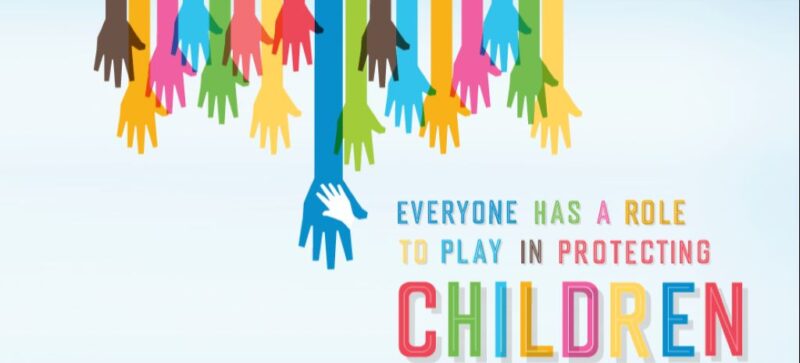
Schools are meant to be safe havens for children, spaces where they can develop, grow, and thrive. Unfortunately, the reality is that children can be vulnerable to various forms of abuse and harm, sometimes even within the school context. Robust child protection policies are necessary to protect every child’s right to safety and well-being while they are in the school’s care.
A strong child protection policy outlines clear procedures, establishes a shared understanding of responsibilities, and helps schools proactively identify and respond to potential safeguarding concerns. Let’s explore some best practices.

Key Elements of an Effective Child Protection Policy
- Clear Definition of Abuse: Go beyond general categories like physical or emotional abuse. Provide specific examples of behaviors that are considered unacceptable and harmful. This clarity helps all staff members recognize potential signs of abuse.
- Designated Safeguarding Lead: Appoint a specific person to coordinate the policy’s implementation, act as the primary point of contact for child protection concerns, and be responsible for staff training and awareness.
- Comprehensive Reporting Procedures Clearly outline how concerns should be documented, the required information to include, and the chain of reporting within the school (including escalation to authorities if needed).
- Staff Code of Conduct: A code of conduct establishes healthy boundaries and behavioral expectations for all staff in interactions with students. It should address situations such as acceptable forms of discipline, handling student disclosures, and appropriate communication channels.
- Thorough Background Checks: Implement rigorous screening processes for all new hires, including background checks and reference verification, to minimize risk of potential abusers gaining access to children.
- Confidentiality and Information Sharing: Establish procedures for secure storage of sensitive information, balancing confidentiality with the necessity to share essential information to ensure a child’s safety.
Proactive Implementation: Beyond Just a Written Policy
- Mandatory Staff Training: Training isn’t a one-time event. Provide regular, comprehensive training on recognizing signs of abuse, reporting procedures, appropriate interactions with students, and understanding any legal obligations in your local jurisdiction.
- Student Education and Empowerment: Give age-appropriate training to students on healthy relationships, recognizing unsafe situations, and how to reach out for help. Make sure students know who they can trust in the school.
- Open Communication with Parents: Transparency builds trust. Clearly communicate the school’s child protection policy to parents and foster a partnership for keeping children safe. Encourage open communication so parents feel comfortable raising any concerns.
- External Partnerships: Collaborate with child protection agencies, social services, and law enforcement. Know how to access necessary support and resources outside the school.
- Regular Review and Updates: A policy is not static. Regularly review and update the policy, incorporating feedback from staff, adapting to new legislation, and reflecting lessons learned.
The Role of School Culture
The most effective child protection policies are embedded within a positive, caring school culture. Here’s why this matters:
- Openness and Trust: Students should feel they can approach teachers and staff if they’re worried about themselves or a friend. Build a culture where children’s voices are valued, and any concerns are taken seriously.
- Zero Tolerance for Bullying: Implement proactive anti-bullying programs and intervene decisively in instances of bullying, cyberbullying or peer-to-peer harassment. A safe environment reduces risk factors for abuse.
- Mental Health Support: Provide access to mental health resources for students. Emotional well-being bolsters resilience and can help students identify and cope with unhealthy situations.
Beyond School Boundaries
Child protection doesn’t end at the school gates. Here are a few extra considerations:
- Online Safety: With increasing use of technology, schools must have policies and education programs around online safety, cyberbullying, and appropriate use of digital platforms.
- Safe Transportation: If the school provides transport, policies should include driver screening, appropriate supervision on buses, and defined procedures for reporting incidents.
- Out-of-School Activities: Ensure policies cover school trips, extracurricular activities, or any interactions between students and staff outside of regular school hours.
Implementing effective child protection policies is everyone’s responsibility. By prioritizing a proactive, holistic, and constantly evolving approach, schools can genuinely become the safe and nurturing environments all children deserve.