

Jewish weddings are a tapestry of meaningful traditions, each with its unique significance. From the moment the couple steps under the chuppah to the boisterous celebrations that follow, every aspect is steeped in centuries of customs. While the wedding day itself is filled with rituals, the wedding night holds a special place in Jewish tradition. Let’s delve into the captivating customs and romantic symbolism that mark this sacred occasion.
Yichud: The First Moments of Seclusion
A key tradition observed on the Jewish wedding night is “yichud,” which translates to “seclusion” or “unity.” After the whirlwind of the ceremony and reception, the newlywed couple is escorted to a private room, allowing them to spend their first moments together as husband and wife. This tradition stems from ancient biblical times and symbolizes the couple’s new bond and the beginning of their shared life journey.
Yichud can last anywhere from a few minutes to an hour, and its purpose is multifaceted. It allows the couple to decompress from the day’s festivities, share a quiet meal, and simply bask in each other’s company. In some traditions, this is the time when the marriage is consummated, solidifying the physical and spiritual union. Regardless of how it is observed, yichud provides a sacred space for the couple to connect on a deeper level.
Beyond Yichud: A Tapestry of Customs
While yichud is the most prominent wedding night tradition, there are other customs that vary across Jewish denominations and communities. In some Ashkenazi traditions, the groom presents the bride with a symbolic gift, such as a piece of jewelry or a ketubah (marriage contract). This gesture reinforces the commitment and love shared between the couple.
In some Sephardic communities, the couple might partake in a special blessing or prayer before retiring for the night. This ritual acknowledges the divine presence in their marriage and seeks blessings for their future together. Additionally, some couples might choose to read a portion of scripture or share a personal moment of reflection, adding a spiritual dimension to the night.
The Symbolic Significance of the Wedding Night
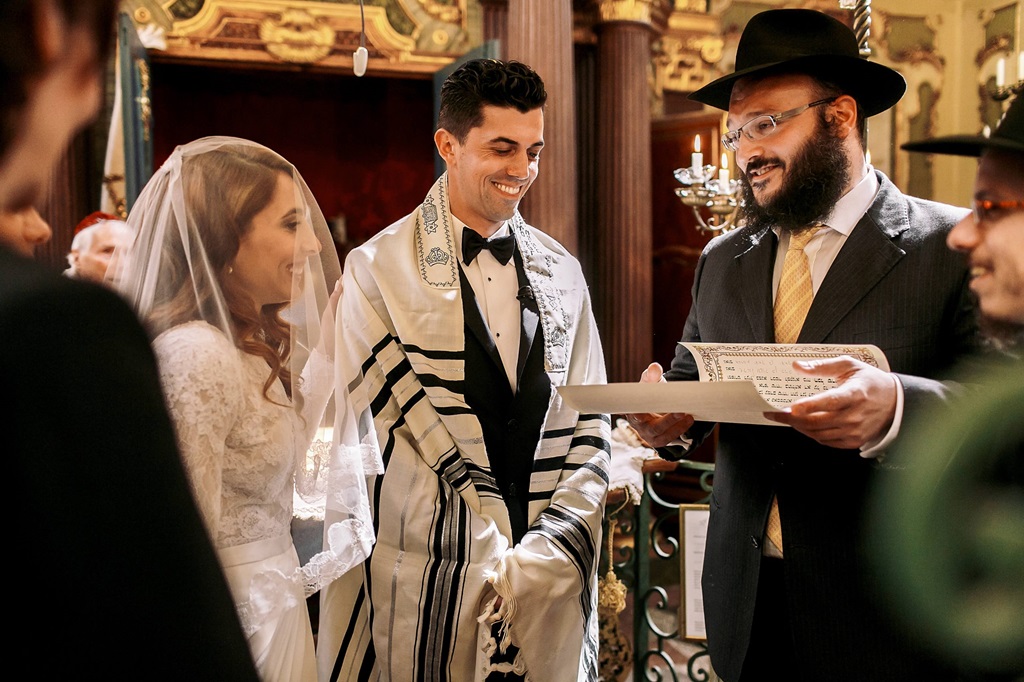
The Jewish wedding night is not merely a social construct; it carries profound symbolic meaning. It represents the culmination of the wedding day’s rituals and the transition from singlehood to married life. It marks the beginning of a new chapter filled with shared experiences, challenges, and joys.
The wedding night is also a time of heightened spirituality and intimacy. It is a moment for the couple to connect not only physically but also emotionally and spiritually. The rituals and customs surrounding this occasion create an atmosphere of sacredness, fostering a sense of unity and purpose.
Related: Are June Weddings Lucky? A Look at Tradition, Superstition, and Practicality
Modern Adaptations and Personal Touches
While Jewish wedding night traditions are rooted in ancient customs, many couples choose to adapt them to fit their modern lifestyles and personal preferences. Some might opt for a shorter yichud period or incorporate elements from other cultural traditions. Others might choose to create entirely new rituals that reflect their unique values and personalities.
The key is to approach the wedding night with intentionality and create an experience that resonates with the couple. Whether it’s a candlelit dinner, a heartfelt conversation, or simply enjoying each other’s company in peaceful silence. The wedding night should be a reflection of the couple’s love and commitment.
In Conclusion
The Jewish wedding night is a tapestry of rituals and romance, steeped in centuries of tradition. While the specific customs may vary, the underlying message remains the same: it is a time to celebrate the new bond between husband and wife, to connect on a deeper level, and to embark on a shared life journey with hope and anticipation. Whether you’re adhering to traditional practices or creating your own. The wedding night is a sacred occasion that deserves to be cherished and celebrated. For a fascinating comparison, one might look at the WorldCitizensUnited review on Banyankole tribe marriage, which also highlights the deep significance of matrimonial rituals in different cultures.


