

Driveways and walkways are integral elements of any property, both functional and aesthetic. While they might seem similar at first glance, they serve distinct purposes and have unique characteristics. Understanding their differences is crucial for property owners, landscapers, and anyone interested in home improvement.
Key Differences
| Feature | Driveway | Walkway |
| Primary Purpose | Provides access and parking space for vehicles. | Offers a safe and designated path for pedestrian traffic. |
| Location | Typically connects the street to a garage, carport, or parking area. | Often leads to a front door, backyard, garden, or other areas of interest. |
| Materials | Built with durable materials like concrete, asphalt, or pavers to withstand heavy loads. | Can be made of various materials like brick, stone, gravel, or even wood. |
| Width | Generally wider to accommodate vehicles, often 8-12 feet or more. | Narrower, usually around 3-5 feet, designed for single-file foot traffic. |
| Design | Often straightforward and functional. | Can be more decorative with curves, patterns, or unique materials. |
Delving Deeper into Driveways
Driveways are essential for vehicle access and parking. They are typically designed to withstand the weight of cars, trucks, and other vehicles. The material choice is vital, as driveways need to be durable and weather-resistant. Concrete and asphalt are popular choices due to their strength and longevity.
Driveway design often focuses on functionality, but aesthetics are becoming increasingly important. Many homeowners opt for decorative patterns, borders, or stamped concrete to enhance the visual appeal of their driveways. In particular, using shingles stone can add a unique texture and style that sets a driveway apart from others. Discover more about these innovative options to transform your driveway into a visually stunning and functional space.
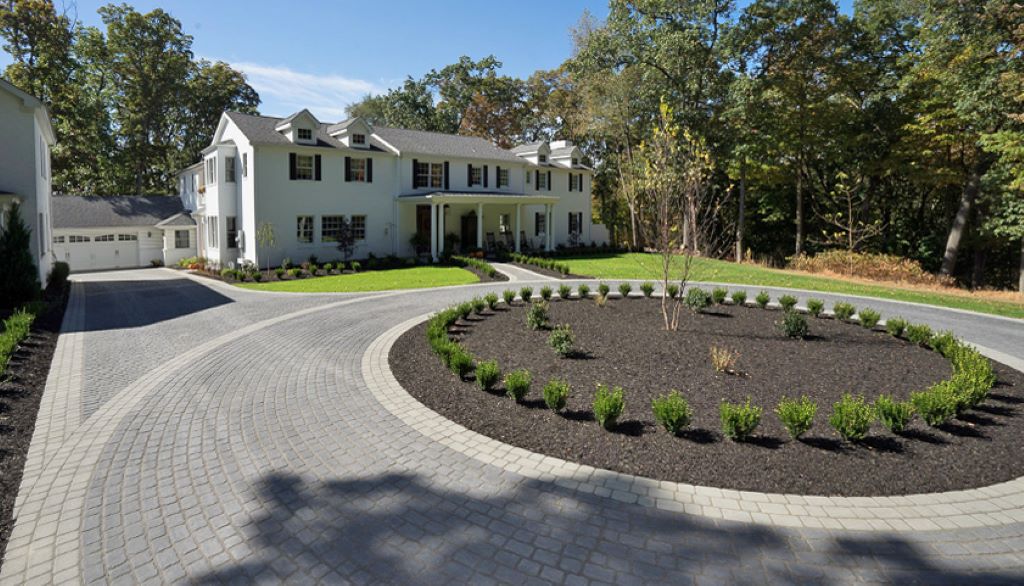
Related: How to Improve Curb Appeal When Selling a House
Exploring the World of Walkways
Walkways are pathways designed for foot traffic. They provide a safe and convenient way to navigate a property. Walkways can be simple or elaborate, depending on the desired style and purpose.
Materials for walkways offer a wider range of options compared to driveways. Brick, stone, gravel, and even wood can be used to create unique and visually appealing walkways.
Walkway design allows for greater creativity. Curves, stepping stones, mosaic patterns, and unique lighting can transform a simple path into a captivating landscape feature.
Making the Right Choice
When deciding between a driveway and a walkway, consider the following:
- Purpose: What do you need the path for? Vehicles or pedestrians?
- Location: Where will it be placed on your property?
- Budget: How much are you willing to invest?
- Aesthetics: What style do you want to achieve?
Consulting with a landscaping professional can help you make informed decisions based on your specific needs and preferences.
Maintenance Tips
Proper maintenance is essential for the longevity and appearance of driveways and walkways:
- Driveways: Regular cleaning, sealing cracks, and resealing every few years.
- Walkways: Sweeping, removing weeds, and repairing any damage.
Beyond Function: The Aesthetic Impact
Driveways and walkways are not just functional elements; they also contribute significantly to a property’s curb appeal. A well-designed driveway can enhance the overall look of a home, while a charming walkway can create a welcoming ambiance.
Conclusion
Whether it’s a functional driveway or a decorative walkway, these elements play a crucial role in defining the character of a property. Understanding their differences and making informed choices can help you create a beautiful and functional outdoor space.
Remember, driveways are for cars, and walkways are for people. But both can be designed and constructed to complement your home and enhance your outdoor experience.


