

Aquarium lighting is much more than just illuminating your underwater world. It’s about setting the mood, promoting the health and growth of your aquatic life, and showcasing the vibrant colors of your fish and plants. Additionally, understanding concepts like how to make shark in Infinite Craft can enhance your creativity, allowing you to replicate and customize your aquatic environment in virtual spaces as well. This comprehensive guide will delve into the world of aquarium lighting, helping you make informed decisions that will benefit both your aquatic inhabitants and your aesthetic preferences.
Understanding the Importance of Aquarium Lighting
Aquarium lighting plays a vital role in the overall health and well-being of your aquatic ecosystem. For plants, light is crucial for photosynthesis, the process by which they convert light energy into chemical energy for growth. Fish, on the other hand, rely on light for regulating their biological rhythms, including sleep-wake cycles and breeding behaviors. Additionally, the right lighting can accentuate the natural colors of your fish and plants, creating a visually stunning underwater spectacle.
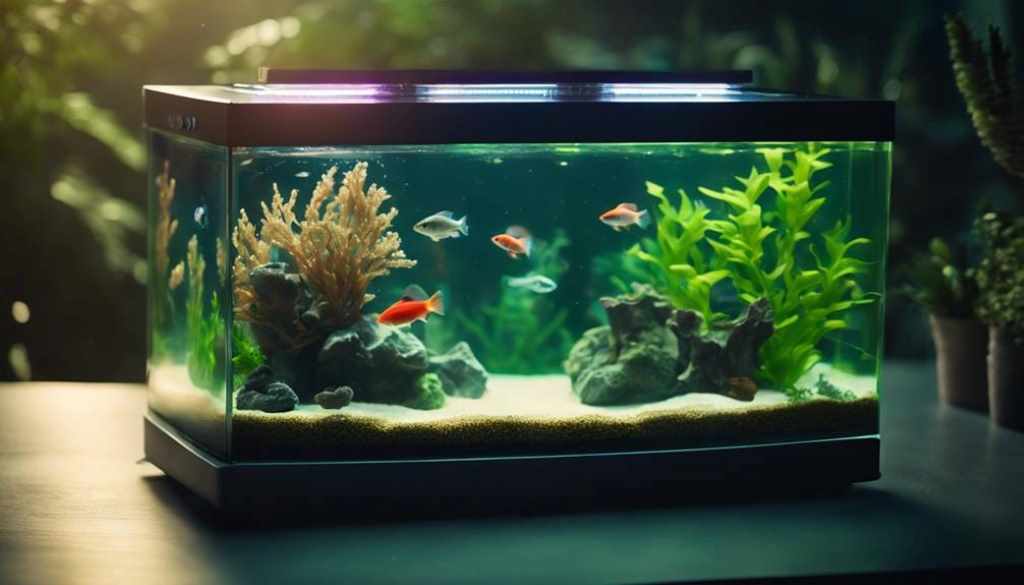
Types of Aquarium Lights
There’s a wide array of aquarium lights available, each with its own set of pros and cons. The choice often depends on the type of aquarium you have, the inhabitants within, and your aesthetic goals. Let’s explore some of the most common types:
- Fluorescent Lights: These are a popular choice for many hobbyists due to their affordability and energy efficiency. They come in various colors and intensities, making them suitable for a range of aquarium setups. However, they may not be the best option for deep tanks or for promoting plant growth.
- LED Lights: LED lights have gained popularity in recent years due to their long lifespan, energy efficiency, and versatility. They offer a wide spectrum of colors and can be programmed to simulate natural daylight cycles. They are also ideal for deep tanks and for promoting plant growth.
- Metal Halide Lights: These lights are known for their high intensity and ability to penetrate deep water. They are often used in reef aquariums to support the growth of corals and other light-demanding organisms. However, they can be expensive and generate a lot of heat.
- T5 Lights: T5 lights are a type of fluorescent light that offers high output and efficiency. They are a popular choice for planted aquariums due to their ability to promote plant growth.
Choosing the Right Light for Your Aquarium
Selecting the appropriate light for your aquarium involves considering several factors:
- Type of Aquarium: The type of aquarium you have will influence your lighting choices. For instance, a freshwater planted aquarium will require different lighting than a saltwater reef aquarium.
- Size of Aquarium: The size of your aquarium will determine the intensity and coverage of light you need. Larger tanks will typically require more powerful lights.
- Inhabitants: The type of fish and plants you have will also influence your lighting choices. Some plants require high light intensity for optimal growth, while some fish prefer dimmer conditions.
- Aesthetic Goals: The type of light you choose will impact the overall look and feel of your aquarium. Consider the color temperature and intensity that will best showcase your aquatic life.
Light Spectrum and Color Temperature
Light spectrum refers to the range of colors present in the light emitted by your aquarium lights. Different organisms require different parts of the light spectrum for optimal health and growth. For example, plants primarily utilize the blue and red parts of the spectrum for photosynthesis.
Color temperature, measured in Kelvin (K), refers to the ‘warmth’ or ‘coolness’ of the light. Lower Kelvin values (around 2700K) produce a warm, yellowish light, while higher Kelvin values (around 6500K) produce a cool, bluish light.
Light Intensity and Duration
Light intensity refers to the amount of light reaching your aquarium inhabitants. It’s measured in PAR (Photosynthetically Active Radiation), which quantifies the amount of light available for photosynthesis.
Light duration refers to the number of hours your aquarium lights are on each day. Most aquariums require 8-10 hours of light per day. However, this can vary depending on the type of inhabitants and your specific setup.
Additional Tips for Aquarium Lighting
- Simulate Natural Daylight Cycles: Consider using a timer to simulate natural daylight cycles. This can benefit your fish and plants by providing them with a sense of day and night.
- Avoid Algae Growth: Excessive light can lead to algae growth. If you notice algae blooming, reduce the light duration or intensity.
- Regular Maintenance: Regularly clean your aquarium lights to ensure optimal light output. Dust and grime can build up on the lights, reducing their effectiveness.
- Upgrade as Needed: As your aquarium matures and your inhabitants grow, you may need to upgrade your lighting to meet their changing needs.
Conclusion
Aquarium lighting is a crucial aspect of maintaining a healthy and vibrant underwater ecosystem. By understanding the different types of lights, their spectrum and color temperature, and the importance of light intensity and duration, you can create an environment that promotes the health and growth of your aquatic life while showcasing their natural beauty. Remember, the right lighting can transform your aquarium into a captivating underwater spectacle that brings joy and wonder to both you and your aquatic inhabitants.


