

Feeding your cat a raw diet has become a popular trend among pet owners seeking a more natural approach to feline nutrition. Advocates believe raw feeding mimics a cat’s ancestral diet, providing superior nutrition and numerous health benefits. However, there are risks to consider, including bacterial contamination and nutritional imbalances.
Is a raw food diet the best choice for your cat? This guide explores the benefits, risks, and step-by-step instructions for transitioning your feline to a raw diet safely. If you’re passionate about pet health and want expert insights, you can also explore Hot Buzzs for more in-depth articles on feline care.
What Is a Raw Cat Food Diet?
A raw cat food diet consists of uncooked meats, organs, and bones, often supplemented with essential nutrients. It is designed to resemble the natural prey diet that wild cats consume. This diet is sometimes called the “BARF” diet (Biologically Appropriate Raw Food) or the “prey model diet.”
Raw feeding typically includes:
- Muscle meat (chicken, turkey, beef, rabbit, or fish)
- Organs (liver, heart, kidney, spleen)
- Raw bones (chicken necks, wings, or meaty bones)
- Supplements (omega-3s, taurine, vitamin E, and B-complex)
By feeding raw, cat owners aim to provide a high-protein, low-carbohydrate diet without artificial additives, fillers, or preservatives.
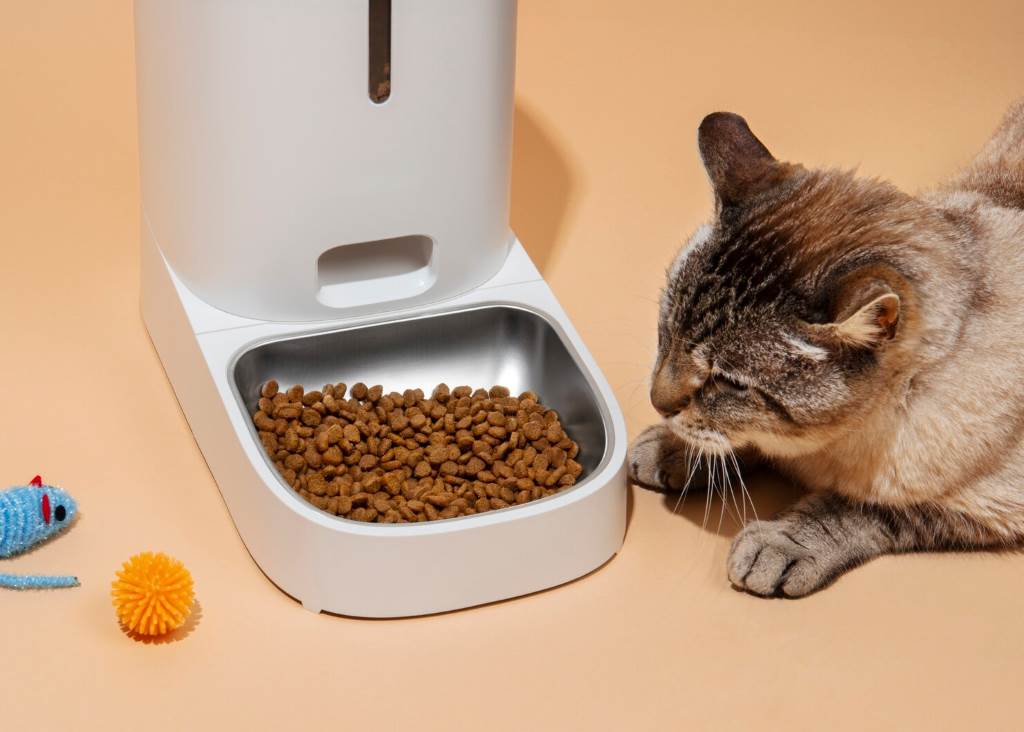
Should Cats Eat a Raw Diet? Benefits and Controversies
The debate over raw feeding is ongoing. Some veterinarians and pet nutritionists endorse it for its natural benefits, while others caution against health risks.
Benefits of a Raw Cat Food Diet
- Mimics a Natural Diet
- Cats are obligate carnivores, meaning they require a meat-based diet.
- Raw feeding closely resembles what cats eat in the wild.
- Improved Digestion and Fewer Allergies
- A species-appropriate diet reduces food sensitivities.
- Eliminates grains and artificial additives, which may cause allergies in some cats.
- Healthier Skin and Shinier Coat
- High-quality proteins and omega-3 fatty acids support skin and coat health.
- Many cat owners report reduced shedding and fewer hairballs.
- Better Dental Health
- Chewing raw bones naturally cleans teeth and reduces plaque buildup.
- Encourages healthy jaw function and prevents periodontal disease.
- Increased Energy and Lean Muscle Mass
- Raw-fed cats often show higher activity levels and improved muscle tone.
- Provides high-quality animal protein without excessive carbohydrates.
- Smaller, Less Odorous Stools
- Raw diets contain fewer fillers, leading to better digestion and less waste.
- Less odor compared to commercial kibble-based diets.
Risks of a Raw Cat Food Diet
- Bacterial Contamination
- Raw meat can carry harmful bacteria like Salmonella or E. coli.
- Safe food handling practices and sourcing high-quality meat are essential.
- Nutritional Imbalances
- Without proper formulation, raw diets may lack vital nutrients like taurine, calcium, and vitamin E.
- Consulting a veterinary nutritionist ensures balanced meals.
- Risk of Bone-Related Injuries
- Large or improperly prepared bones can cause choking or gastrointestinal blockages.
- Always use soft, edible bones or ground bone meal.
- Time-Consuming and Expensive
- Requires meal preparation, careful sourcing, and proper storage.
- High-quality meats and supplements can be costly compared to commercial food.
- Not Suitable for All Cats
- Kittens, senior cats, and those with compromised immune systems may not tolerate raw diets well.
- Always consult a vet before making dietary changes.
Should Cats Eat Strawberries? Understanding Feline Food Curiosities
Cat owners often wonder about adding fruits and vegetables to their pet’s diet. One common question is should cats eat strawberries? While strawberries are non-toxic to cats, they don’t offer much nutritional benefit. Since cats lack the taste receptors for sweetness, most won’t be interested.
If your cat enjoys strawberries, offer them in small amounts as an occasional treat. However, avoid fruits like grapes, cherries, and citrus, which can be toxic to felines.
How to Transition Your Cat to a Raw Diet
Switching a cat to raw food requires careful planning to prevent digestive upset. Gradual introduction helps your cat adjust to the new diet. Follow the Hydration Tips for Cats.
Consult a Veterinarian
Before starting, get professional advice to ensure your cat’s diet remains nutritionally balanced.
Choose a Feeding Method
There are three main approaches to raw feeding:
- Whole Prey Model Diet: Mimics an entire prey animal, including muscle, organs, and bones.
- BARF Diet: A mix of raw meats, organs, bones, and supplements.
- Commercial Raw Cat Food: Pre-packaged frozen or freeze-dried raw food.
Gradually Introduce Raw Food
- Start by mixing a small portion of raw meat with your cat’s current food.
- Gradually increase the raw portion over 1-2 weeks.
- Monitor digestion and adjust as needed.
Ensure Proper Food Handling and Storage
- Always wash hands and surfaces after handling raw meat.
- Store raw food in airtight containers and freeze portions for later use.
- Serve food at room temperature, not straight from the fridge.
Supplement as Needed
Raw diets may lack essential nutrients, so supplementation is crucial. Key supplements include:
- Taurine for heart and eye health.
- Calcium from ground eggshells or bone meal.
- Omega-3 fatty acids from fish oil for skin and coat health.
Common Mistakes When Feeding a Raw Diet
- Not Providing a Balanced Diet
- Relying only on muscle meat can lead to deficiencies.
- Include organs and bones for proper nutrition.
- Introducing Raw Too Quickly
- Cats need time to adjust to new foods.
- A slow transition prevents stomach upset.
- Feeding Cooked Bones Instead of Raw Bones
- Cooked bones splinter easily and pose a choking hazard.
- Always provide raw, soft bones.
- Improper Food Storage
- Raw meat must be stored properly to prevent bacterial growth.
- Freeze portions and thaw as needed.
- Ignoring Veterinary Guidance
- A raw diet should be supervised by a vet.
- Regular checkups ensure your cat stays healthy.
FAQs
Can kittens eat a raw diet?
Yes, but they need a properly balanced raw diet with high protein and essential nutrients. Consult a vet before starting.
How do I know if my cat is getting enough taurine?
Ensure the diet includes organ meats like heart and supplement with taurine if needed. Taurine deficiency can cause serious health issues.
Is freeze-dried raw food as good as fresh raw?
Freeze-dried raw food retains most nutrients and is a great alternative if fresh raw feeding is inconvenient. Always rehydrate before serving.
How do I prevent bacterial contamination with raw feeding?
Practice safe food handling, wash utensils thoroughly, and store raw food at the correct temperature to minimize risks.
Can I mix raw food with kibble?
Mixing raw and kibble can cause digestive issues due to different digestion rates. If transitioning, do it gradually.
A raw cat food diet offers many health benefits but requires careful planning. With the right approach, raw feeding can support a healthier, more natural diet for your feline friend. Always ensure your cat’s diet is well-balanced and seek veterinary guidance before making dietary changes.


