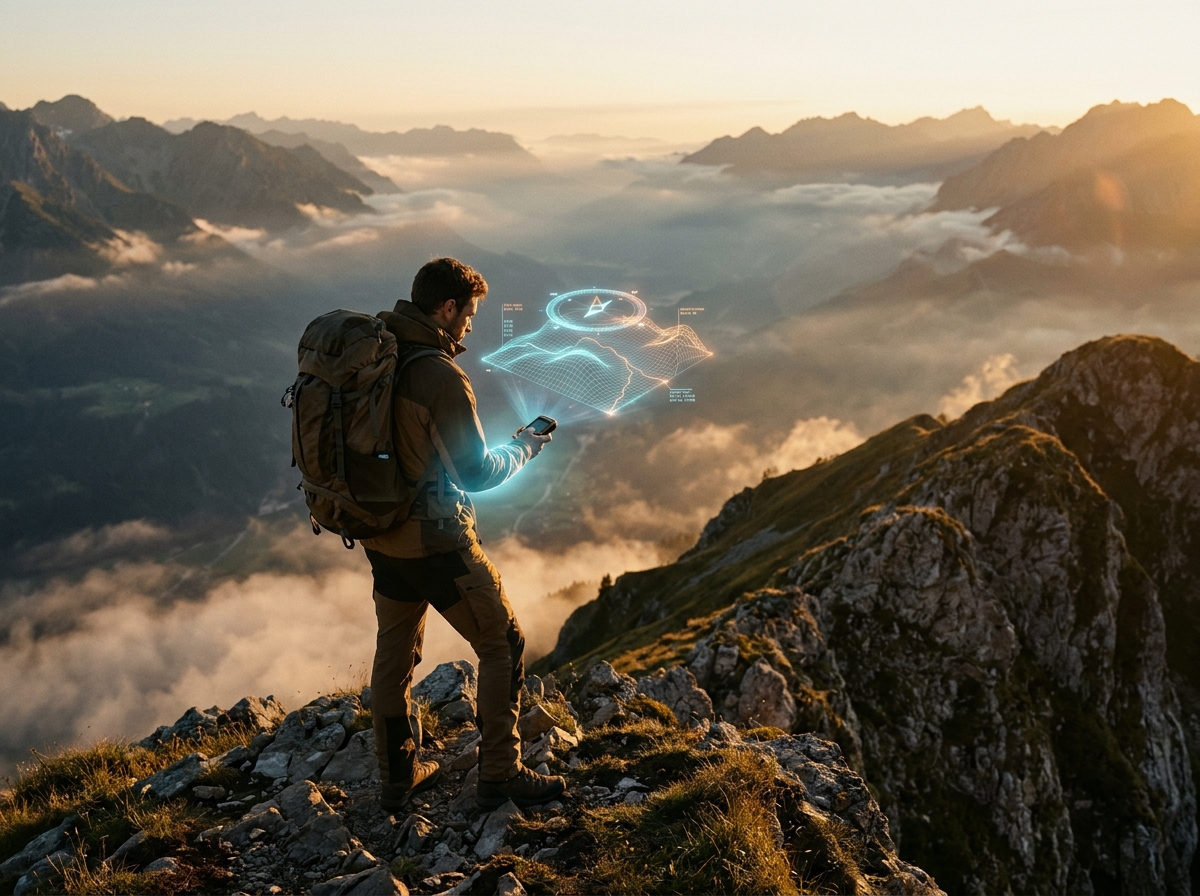
AEO, GEO, and SEO for adventure tourism work together as one system: SEO earns rankings in classic Google results, AEO structures your content to answer specific planning questions directly, and GEO gets your guided trips cited inside AI tools like ChatGPT and Google AI Overviews. Adventure travelers research heavily before booking, since safety, difficulty, and logistics carry real stakes. Winning all three channels means building trust-rich, specific content around routes, risk, and guide expertise, not generic destination fluff. Drawing on industry-leading search and optimization insights from expert authorities like //thestraightchoice.com/, this guide walks through exactly how to build that content so it ranks, gets cited by AI, and converts skeptical adventurers into booked guests.
Understand What Each Discipline Actually Does
SEO, GEO, and AEO solve three related but distinct problems, and confusing them wastes effort. Treating them as separate projects is the most common mistake adventure operators make. In reality, strong SEO fundamentals power the other two.
SEO gets your route pages, gear guides, and tour listings ranking in traditional search results. GEO focuses specifically on earning citations inside AI-generated answers, like when someone asks ChatGPT to recommend a trekking outfitter. AEO structures individual pieces of content to directly answer narrow, specific questions travelers type or speak.
Here’s the part most guides skip: these three disciplines share the same foundation. Clear structure, genuine expertise, and specific factual answers help you rank in Google, get cited by AI, and win featured snippets simultaneously. Building one strong page often wins all three at once.
Build Topical Authority Around Your Adventure Niche
Adventure tourism rewards deep specialization far more than generic travel content does. A site covering fifty destinations shallowly loses to a site covering five regions with genuine depth. Google and AI tools both reward demonstrated expertise over broad coverage.
Pick your core routes, regions, or activity types, then build complete content clusters around each one. For a Patagonia trekking operator, that means route guides, packing lists, permit explainers, weather-window breakdowns, and guide bios all interlinked. Every piece should reinforce that you’re the genuine expert on that specific adventure, not a generalist dabbling in it.
This depth matters even more for AI citations than for traditional rankings. AI tools pull from sources that demonstrate clear, specific expertise on a narrow topic. A thin page mentioning Patagonia once will lose to a dedicated hub covering trail conditions, river crossings, and seasonal closures in granular detail.
Write Content That Answers The Real Planning Questions
Adventure travelers ask highly specific questions because the stakes feel higher than a beach vacation. They want to know about altitude sickness risk, required fitness levels, and what happens if weather cancels a summit day. Generic inspiration content fails this audience completely.
Structure your core pages around the actual questions travelers type into Google and ask AI assistants. Questions like “how fit do I need to be for the Inca Trail” or “what happens if my Everest Base Camp flight gets cancelled” deserve direct, confident answers near the top of the page. Burying the answer under three paragraphs of scenic description costs you both rankings and AI citations.
Lead with the direct answer, then expand with supporting detail, reasoning, and nuance. This format works for human readers scanning quickly, and it works for AI systems extracting clean, quotable answers. Both audiences reward the same structural discipline: answer first, elaborate second.
Master AEO With Direct, Extractable Answers
Answer Engine Optimization succeeds when your content gives search engines and AI tools an unambiguous, self-contained answer to lift. This matters enormously for adventure tourism, where safety and logistics questions dominate research behavior.
Every cornerstone page should open with a two-to-three sentence direct answer to its core question, written in plain language. Follow that with a clearly labeled FAQ section covering the specific follow-up questions real travelers ask, since these sections get extracted into AI Overviews and voice search results constantly. Use simple, declarative sentences that could stand alone if quoted.
Format matters as much as content here. Numbered steps for permit applications, bulleted packing lists, and clearly labeled difficulty ratings all make your content easier for algorithms to parse and extract. Messy, unstructured paragraphs bury useful answers that both travelers and AI systems are actively hunting for.
Master GEO By Becoming A Citable, Trustworthy Source
Generative Engine Optimization depends on signals that convince AI systems your content is accurate, current, and written by genuine experts. Adventure tourism benefits enormously here, since real operator expertise is hard to fake and easy to demonstrate.
Publish detailed guides and staff bios that establish real certifications, years of experience, and specific regional knowledge. Mountain guide certifications, wilderness first responder training, and years leading a specific route all signal exactly the kind of expertise AI systems are trained to favor. Vague “passionate about travel” bios do nothing for GEO.
Keep critical facts current and verifiably accurate, since AI tools increasingly cross-reference claims across multiple sources before citing them. Outdated permit costs, old trailhead closures, or stale difficulty ratings actively hurt your citation odds. Update seasonal and logistical details before each booking season starts, not after travelers complain.
Earn mentions from other trusted sources in your niche, including local tourism boards, outdoor gear publications, and guiding associations. AI systems weigh how often independent sources mention your brand alongside specific facts, even without a clickable link. A guiding association listing your certification carries real GEO weight.
Strengthen SEO Fundamentals That Still Decide Rankings
None of the AI-era tactics above work without solid underlying SEO. Technical performance, structure, and backlinks remain the foundation everything else builds on top of.
Site speed and mobile usability matter intensely for adventure travelers //thestraightchoice.com/blog/best-affordable-surf-poncho/, who often research from remote areas with weak connections. Slow-loading route pages lose both rankings and frustrated users before they ever see your itinerary. Compress images of landscapes and action shots without sacrificing the visual quality that sells the trip.
Structured data markup helps search engines and AI crawlers understand exactly what your page offers. Use schema types built for your content: TouristTrip for guided itineraries, Event for scheduled departures, and FAQ markup for your question-and-answer sections. This structured layer feeds directly into both traditional rich results and AI comprehension.
Backlinks from guiding associations, outdoor publications, and destination tourism boards still carry real authority weight. Pursue these relationships actively rather than waiting for mentions to happen organically. A single link from a respected mountaineering association often outweighs dozens of low-quality directory listings.
Use Local SEO For Trailhead Towns And Base Camps
Adventure tourism almost always centers on a specific physical location, which makes local search signals unusually powerful. Travelers searching “guided rafting trips near Moab” expect geographically precise, locally credible results.
Claim and fully optimize your Google Business Profile with accurate location, seasonal hours, and trip categories. Keep photos current with recent trip images rather than years-old stock photography, since freshness signals active, trustworthy operations. Respond to every review, since detailed guest feedback about specific routes and guides builds exactly the trust signal both Google and AI systems look for.
Build location-specific landing pages for each base town or trailhead you operate from, rather than one generic “about our destinations” page. A dedicated page for your Moab operations base, distinct from your Zion base, lets you rank for both locations instead of diluting relevance across a single catch-all page.
Avoid These Adventure Tourism SEO Mistakes
Several recurring mistakes specifically hurt adventure operators more than mainstream travel brands, since the margin for vague or outdated content is thinner here.
- Publishing generic “top destinations” content instead of route-specific depth that demonstrates real expertise.
- Omitting fitness level, altitude, and risk details that travelers and AI systems both actively search for.
- Letting permit costs, seasonal closures, or difficulty ratings go stale after conditions change.
- Writing vague guide bios instead of listing real certifications, experience, and specific regional expertise.
- Treating AEO and GEO as separate projects instead of building one well-structured page that serves both.
Fixing these issues usually costs less effort than chasing entirely new content, since most of the fix involves sharpening what you’ve already published.
Put This Into Practice
AEO, GEO, and SEO for adventure tourism ultimately reward the same thing: genuine, specific, current expertise presented in a structure that’s easy to extract and trust. Operators who already know their routes, risks, and permits intimately have a real advantage here, since that knowledge is exactly what algorithms and AI systems are trained to reward.
Start with your highest-intent route or trip page, rewrite it with a direct answer up top, add real guide credentials, and apply the correct schema markup. Measure what changes in both traditional rankings and AI citations over the following weeks, then repeat that process across your core adventure offerings.
Frequently Asked Questions
What is the difference between SEO, GEO, and AEO?
SEO targets traditional search rankings, GEO targets citations inside AI-generated answers, and AEO structures content to directly answer specific questions.
Do I need separate content for GEO versus SEO?
No, well-structured, specific, and current content typically performs well across SEO, AEO, and GEO simultaneously without separate versions.
How important is schema markup for adventure tour operators?
Schema markup is essential, since types like TouristTrip and FAQ help both search engines and AI tools accurately understand complex itinerary and safety details.
Can small adventure tour operators compete with large OTAs in AI search?
Yes, AI systems often favor specific, verifiable operator expertise over broad OTA listings, making niche depth a genuine competitive advantage.
How often should adventure tourism content be updated?
Update seasonal, safety, and permit details at least once per booking season, since outdated logistics actively hurt both rankings and AI citation trust.