

Cooking clubs bring people together through shared meals, practical learning, and meaningful conversations. Many households now cook at home more often, creating stronger interest in community based cooking activities. Around 48 million Americans experience foodborne illness every year, making safe cooking habits especially important for every gathering. A well planned cooking club helps members improve kitchen confidence while building lasting friendships through enjoyable experiences.
What Is a Cooking Club?
A cooking club is a group that meets regularly to prepare, share, and enjoy meals together. Members often explore different cuisines, cooking methods, or seasonal ingredients during each session.
Unlike formal cooking classes, a cooking club encourages collaboration instead of instructor led lessons. Everyone contributes ideas, skills, and recipes that make every meeting unique.
Many clubs meet monthly because members can prepare thoughtfully without feeling rushed. However, weekly or seasonal schedules also work well for active groups.
Benefits of Starting a Cooking Club
Cooking together creates stronger relationships because everyone works toward the same delicious goal. Members naturally exchange techniques while enjoying relaxed conversations.
Regular meetings also improve kitchen confidence through repeated hands on practice. Even beginners become comfortable preparing more complex meals over time.
Another advantage involves exploring new cultures through authentic recipes and traditional cooking methods. Every session becomes both a learning experience and a social event.
Families also benefit because members often bring improved skills home after each gathering. Consequently, everyday meals become more creative and enjoyable.
Decide Your Club Goals
Clear goals keep every meeting focused and rewarding for all participants. Therefore, discuss expectations before scheduling the first event.
Possible cooking club goals include:
- Learning beginner cooking skills
- Exploring international cuisines
- Preparing healthy family meals
- Baking seasonal desserts
- Mastering grilling techniques
- Cooking on a budget
- Reducing food waste
- Practicing meal preparation
Shared objectives help members stay motivated throughout the year. They also simplify future planning.
Choose the Right Group Size
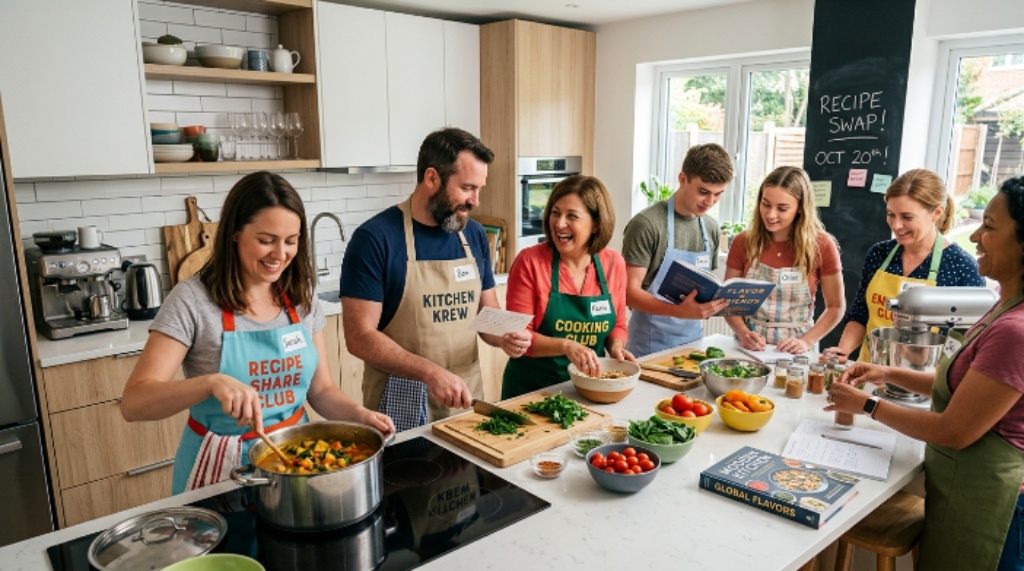
Small groups usually create better communication and easier kitchen management. Four to eight members often provide the best balance.
Larger clubs require additional workspace and more organized planning. Nevertheless, they also offer greater recipe variety and broader experiences.
Choose people who enjoy teamwork and respect shared responsibilities. Positive attitudes always improve the overall experience.
Select a Meeting Schedule
Consistency helps members stay committed throughout the year. Monthly meetings remain popular because they fit most busy lifestyles.
Create a schedule several months ahead whenever possible. Early planning reduces conflicts and improves attendance.
Rotate hosting responsibilities among members if everyone has suitable kitchen space. This approach shares responsibilities fairly.
Pick a Theme for Every Meeting
Themes keep meetings fresh and exciting throughout the year. Members also prepare more effectively with a clear direction.
Popular cooking club themes include:
- Italian comfort food
- Mexican favorites
- Mediterranean meals
- Homemade pasta night
- Breakfast for dinner
- Summer grilling
- Holiday desserts
- Vegetarian cooking
- Slow cooker recipes
- Seafood specialties
Themed events encourage creativity while preventing repetitive menus. Every gathering feels different from the previous one.
Plan the Menu Together
Collaborative menu planning reduces confusion before cooking begins. Members can discuss recipes during the previous meeting.
Choose dishes that complement each other without unnecessary duplication. Balanced menus create a more enjoyable dining experience.
Consider dietary preferences before finalizing every recipe. Simple adjustments often allow everyone to participate comfortably.
Aim for manageable recipes that fit the available cooking time. Successful meals encourage future participation.
Divide Responsibilities
Shared responsibilities make every event run smoothly from beginning to end. Everyone should contribute something meaningful.
Assign tasks such as:
- Shopping for ingredients
- Preparing vegetables
- Cooking main dishes
- Baking desserts
- Setting the table
- Cleaning kitchen equipment
- Washing dishes
- Organizing leftovers
Clear responsibilities prevent confusion during busy cooking sessions. Members also appreciate fair participation.
Rotate Leadership
Different leaders introduce fresh ideas and cooking styles throughout the year. Rotation also prevents one person from carrying every responsibility.
Each host can select the theme while coordinating meal preparation. Members remain engaged through changing leadership.
Create a Comfortable Cooking Space
Organized kitchens improve efficiency and reduce unnecessary stress during meal preparation. Clear workstations allow everyone to participate safely.
Keep frequently used tools within easy reach before cooking begins. Preparation saves valuable time later.
Ensure adequate lighting and counter space whenever possible. Comfortable environments improve teamwork naturally.
Focus on Food Safety
Safe cooking practices protect every member during club activities. Therefore, food safety deserves careful attention at every meeting.
Always wash hands before handling ingredients and after touching raw meat. Separate raw foods from ready to eat ingredients to prevent contamination.
Cook foods to safe internal temperatures using a reliable thermometer whenever needed. Refrigerate perishable foods promptly after serving.
Discard questionable leftovers instead of taking unnecessary risks. Safe habits protect both guests and hosts.
Kitchen Hygiene Checklist
Follow this simple checklist before every meeting:
- Wash hands thoroughly
- Clean preparation surfaces
- Sanitize cutting boards
- Separate raw meats
- Wash fresh produce
- Store cold foods properly
- Use clean utensils
- Refrigerate leftovers quickly
These habits quickly become routine through regular practice. Safe kitchens create confident cooks.
Keep Costs Fair
Open conversations about expenses prevent misunderstandings among members. Financial transparency builds trust from the beginning.
Some clubs split grocery costs equally after every meeting. Others rotate hosting expenses throughout the year.
Choose the approach that fits your group’s preferences and budget. Fair systems encourage long term participation.
Budget friendly ingredients also help everyone participate comfortably. Creative cooking never requires expensive products.
Encourage Learning
Every meeting should include opportunities for practical learning. Members naturally gain confidence through shared experiences.
Invite participants to demonstrate useful techniques before preparing recipes. Short demonstrations often inspire valuable discussions.
Share cooking tips while preparing ingredients together. Everyone benefits from different experiences and perspectives.
Celebrate progress instead of expecting perfection every time. Confidence grows through consistent practice.
Add Fun Activities
Cooking clubs become memorable through enjoyable group activities beyond meal preparation. Variety keeps meetings exciting.
Try friendly cooking challenges with surprise ingredients or timed recipes. Lighthearted competitions encourage creativity without unnecessary pressure.
Host recipe exchanges after every gathering. Members leave with fresh inspiration for future meals.
Seasonal tasting events also introduce interesting flavors throughout the year. Shared discoveries strengthen group connections.

Document Every Gathering
Photos help preserve enjoyable memories from every meeting. Members appreciate seeing their cooking progress over time.
Create a shared recipe collection featuring successful dishes from each gathering. Everyone gains a growing library of trusted recipes.
Record helpful cooking tips discovered during every session. Small details often improve future results.
Annual recipe books also become meaningful keepsakes for every participant.
Handle Challenges Smoothly
Scheduling conflicts occasionally affect attendance despite careful planning. Flexibility helps maintain long term participation.
Respect different skill levels without criticism or unnecessary comparisons. Encouragement creates welcoming environments.
If recipes fail, treat mistakes as learning opportunities instead of disappointments. Every experienced cook continues learning.
Open communication resolves most challenges before they become larger problems. Healthy discussions strengthen the group.
Keep Members Engaged
Fresh ideas maintain excitement throughout the year. Therefore, invite regular feedback after each gathering.
Rotate cuisines, cooking methods, and seasonal ingredients to avoid repetition. Variety keeps everyone interested.
Celebrate birthdays, holidays, or special milestones with themed meals. Personal touches strengthen friendships naturally.
Recognize everyone’s contributions regardless of cooking experience. Appreciation encourages continued participation.
Conclusion
A successful cooking club combines good planning, teamwork, creativity, and safe food preparation. Every meeting offers opportunities to learn practical skills while creating memorable experiences with others. Start with a small group, choose achievable goals, and remain flexible as your club grows. Invite a few enthusiastic friends, schedule your first gathering, and begin building a cooking tradition everyone will enjoy.
FAQs
How many people should join a cooking club?
Four to eight members usually create the most comfortable and organized experience.
How often should a cooking club meet?
Monthly meetings work well because they fit most schedules while maintaining regular participation.
Should everyone cook during each meeting?
Yes, shared participation helps everyone learn new skills and enjoy the experience together.
How do cooking clubs manage grocery costs?
Most groups either split expenses equally or rotate hosting responsibilities among members.
What is the most important rule for a cooking club?
Following safe food handling practices protects every member while creating enjoyable cooking experiences.


