

Moab offers some of the most demanding mountain biking trails, where suspension performance directly affects rider safety and control. Studies show proper suspension maintenance can reduce mechanical failures by more than 40% during aggressive trail riding. Many riders also search for a reliable budget mountain bike for rough terrain before exploring technical routes. However, even quality bikes can develop suspension problems without proper care. This guide explains why front suspension locks up in Moab, UT, and shows practical ways to diagnose and prevent the issue.
Why Moab Trails Challenge Front Suspension Systems
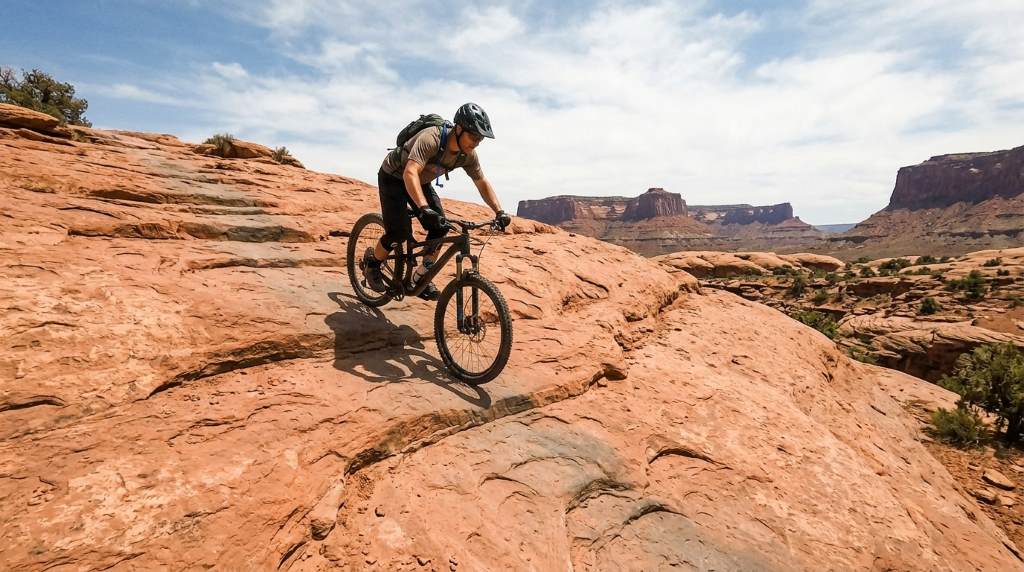
Moab combines steep rock slabs, loose sand, sharp ledges, and constant elevation changes. These conditions place continuous pressure on every suspension component. Riders should also understand how a best budget mountain bike performs under difficult terrain before selecting equipment.
Unlike smoother forest trails, Moab demands repeated compression throughout every ride. Therefore, suspension forks experience faster wear than normal trail conditions. Small mechanical issues often become serious during extended rocky descents.
Heat also affects suspension oil performance throughout long rides. Consequently, seals, bushings, and damping systems receive additional stress. Dust entering exposed components increases friction over time.
Common Reasons Front Suspension Locks Up
Low Quality or Contaminated Suspension Oil
Suspension oil controls damping and fork movement during impacts. Dirty or degraded oil loses effectiveness after many riding hours. Internal passages can clog because of contaminated lubricant. Eventually, fork movement becomes stiff or completely locked.
Damaged Air Spring Components
Modern air forks rely on sealed chambers for smooth operation. Torn seals allow air leakage and reduce suspension travel. Riders usually notice harsh impacts before complete lockup occurs. Routine inspection helps identify these problems early.
Frozen Lockout Mechanism
Many suspension forks include a lockout feature for climbing efficiency. Dirt buildup sometimes prevents the mechanism from releasing correctly. As a result, riders may believe the fork has completely failed. Cleaning and servicing often restore normal operation.
Bent Internal Components
Hard crashes occasionally damage internal shafts or cartridges. Even slight bending creates friction during compression cycles. Therefore, the fork refuses to move normally. Professional inspection usually confirms this type of damage.
Environmental Factors Unique to Moab
Moab’s fine desert dust reaches nearly every moving component during rides. Tiny particles gradually enter fork seals despite protective designs. Riders interested in how electric bikes changing daily commuting influence cycling should remember that trail conditions remain much harsher than city roads.
Large temperature swings also affect suspension performance throughout the day. Morning temperatures differ significantly from afternoon heat. Oil viscosity changes slightly under these conditions. Suspension performance may feel inconsistent during long rides.
Rock impacts place additional side loads on fork bushings and stanchions. Continuous abuse gradually increases internal wear. Consequently, suspension movement becomes rough and unpredictable.
Signs Your Suspension Is Beginning to Lock Up
- Fork compresses only a few millimeters.
- Harsh impacts replace smooth suspension movement.
- Clicking noises appear during compression.
- Visible oil leaks develop around fork seals.
- Steering feels unusually stiff over obstacles.
These symptoms often appear before complete suspension failure. Therefore, immediate inspection prevents larger repair expenses. Ignoring warning signs usually increases long term component damage.
How to Diagnose the Problem
Begin with a simple visual inspection before removing any components. Look carefully for leaking oil, scratched stanchions, or damaged seals. Riders using portable bike speakers during rides should also avoid distractions while checking bike safety before every trail session.
Next, test fork movement while standing beside the bicycle. Apply steady body weight instead of sudden force. Healthy suspension compresses smoothly without sticking. Any unusual resistance indicates internal issues.
Check the lockout lever if your fork includes one. Move it fully between open and locked positions. Sometimes the mechanism simply requires adjustment instead of replacement.
Finally, verify recommended air pressure using the manufacturer’s specifications. Incorrect pressure affects suspension travel and performance. Always use a suspension specific shock pump for accurate readings.
Simple Maintenance That Prevents Lockups
Clean fork stanchions after every dusty ride using a soft microfiber cloth. Removing grit protects seals from premature wear. Never spray high pressure water directly at suspension seals.
Lubricate external seals with products approved by your suspension manufacturer. Proper lubrication reduces friction during compression cycles. This simple habit extends seal life considerably.
Schedule lower leg service according to manufacturer maintenance intervals. Fresh lubrication keeps internal bushings moving smoothly. Regular service costs far less than complete fork replacement.
Inspect suspension after major crashes even without visible damage. Internal parts sometimes bend despite normal external appearance. Early repairs prevent expensive failures later.
When Professional Service Becomes Necessary
Some suspension problems require specialized tools and replacement parts. Cartridge rebuilding demands precise measurements and manufacturer procedures. Incorrect repairs may permanently damage expensive forks.
Professional technicians also inspect hidden wear inside the fork assembly. They replace worn seals, bushings, and damaged cartridges correctly. Certified service restores factory level suspension performance.
If suspension repeatedly locks after routine maintenance, internal damage probably exists. Continued riding increases repair costs and safety risks. Professional diagnosis provides the safest solution.
Trail Preparation Tips Before Riding Moab
- Check air pressure before every ride.
- Inspect fork seals for fresh oil leaks.
- Verify lockout operates correctly.
- Carry a suspension shock pump.
- Clean suspension immediately after dusty rides.
- Replace worn seals before major trips.
Preparation greatly reduces unexpected mechanical problems during technical rides. Preventive maintenance also improves comfort and rider confidence. Well maintained suspension handles Moab terrain far more effectively.
Final Thoughts
Front suspension lockups rarely happen without warning signs. Consistent maintenance, careful inspections, and timely servicing keep suspension operating smoothly on challenging terrain. Understanding common causes helps riders avoid unnecessary repairs while improving trail safety. Inspect your suspension regularly before every ride and schedule professional service whenever performance changes unexpectedly.
Frequently Asked Questions
Why does my front suspension suddenly stop moving?
Internal damage, contaminated oil, or a stuck lockout mechanism commonly causes sudden suspension lockup.
Can desert dust damage suspension forks?
Yes, fine dust gradually wears seals and increases internal friction.
Should I ride with a locked suspension on rocky trails?
No, locked suspension reduces control and increases impact stress on your bike.
How often should suspension forks be serviced?
Most manufacturers recommend routine service after the specified riding hours in the owner’s manual.
Can low air pressure cause suspension problems?
Yes, incorrect air pressure affects fork performance and overall handling.


