

Picture this you’re paddling through the glassy flats of the Indian River Lagoon, the Florida sun warming your shoulders, when suddenly your board starts drifting sideways. You fight the nose, but it’s no use. The culprit? A missing or mismatched fin. It’s a frustrating experience that many stand-up paddleboarders face, often after spending a hefty sum on a board that didn’t include the right gear. The solution isn’t a new board—it’s finding the right affordable SUP fin kits Florida paddlers trust, without emptying your wallet. This guide cuts through the noise to help you select fins that match your riding style, local waters, and budget, ensuring every session is smooth and controlled.
What Exactly Makes a SUP Fin Kit “Affordable” in Florida?
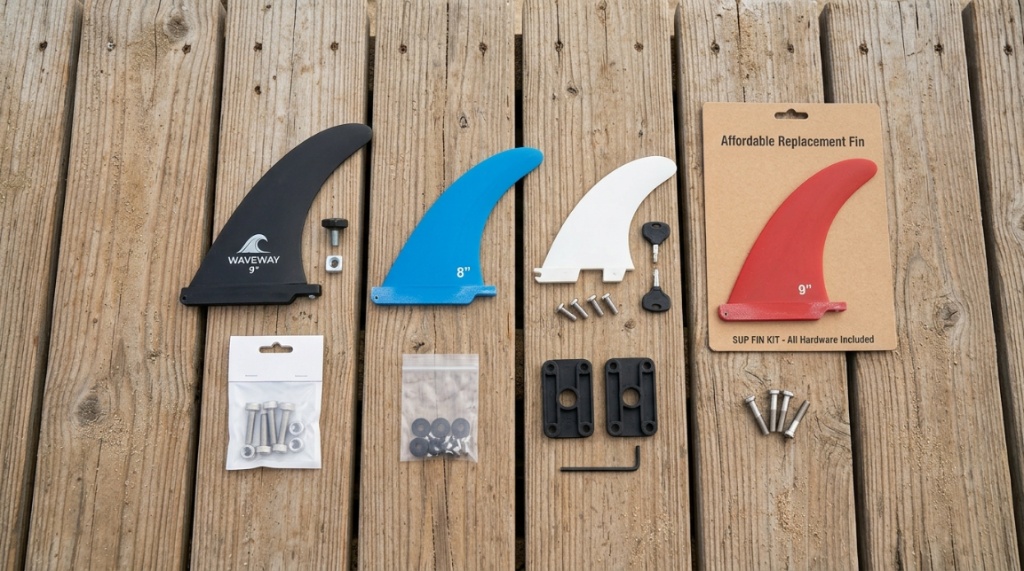
An affordable kit doesn’t just mean the lowest price tag. It means the best value for your specific paddling environment. A true budget-friendly kit considers material durability, the number of fins included, and compatibility with your board’s fin box—all crucial factors in Florida’s diverse waterways, from shallow seagrass beds to choppy Atlantic swells.
Breaking Down the True Cost of a Fin Kit
When calculating value, look past the initial price. A $20 kit made of flimsy nylon that snaps on a sandbar is more expensive than a $45 nylon/fiberglass composite that lasts for years. Always factor in longevity and performance against the cost.
- Material Quality: Nylon is budget-friendly and flexible, while fiberglass offers better stiffness and speed. Plastic (polycarbonate) is impact-resistant but can be heavy.
- Contents: Does the kit include a center fin, side bites, or just a single fin? Multi-fin kits offer more versatility for different conditions.
- Hardware: Check if screws and wrenches are included. Buying replacement hardware separately can quickly erode your savings.
Why the Right Fin Saves You Money in the Long Run
Investing in the correct fin prevents board damage and improves efficiency. A fin that is too large for your weight creates drag, slowing you down and wasting energy. Conversely, a fin that is too small fails to track, causing constant course corrections that fatigue your muscles. The right fin optimizes your stroke, meaning you paddle faster with less effort—a direct return on investment for your fitness and time,Before heading out on the water with your newly upgraded board, make sure your safety gear is properly set up by checking out our Surf Leash Length Chart Explained Simply.
Why Does Florida’s Geography Demand a Specific Fin Set-Up?
Florida presents a unique paddling paradox: the west coast offers gentle, shallow Gulf waters, while the east coast features powerful Atlantic currents and inlets. Your “affordable fin” solution must adapt to these opposing conditions. A single fin designed for lakes will struggle in the ocean, proving that price is secondary to suitability.
Comparing Gulf Coast Flats vs. Atlantic Inlets
On the Gulf side, where water depth is often less than five feet, a shorter, flexible fin is ideal to avoid snagging on grass or sand. On the Atlantic side, where tides push water aggressively through inlets, you need a longer, stiffer fin for stability and to prevent “porpoising” (the board bouncing up and down).
| Environment | Recommended Fin Type | Fin Depth (Center) | Key Benefit |
|---|---|---|---|
| Gulf Flats & Springs | Short, flexible Nylon | 4.5″ – 6.5″ | Maneuverability & weed shedding |
| Atlantic Inlets & Surf | Long, rigid Fiberglass | 7.0″ – 9.0″ | Tracking & high-speed stability |
| Lakes & Rivers | Medium, composite | 5.0″ – 7.0″ | Balance & glide efficiency |
Saltwater Corrosion: The Hidden Cost Factor
Saltwater is brutal on metal screws and fin boxes. Buying an affordable kit means looking for rust-proof hardware. Many budget kits include stainless steel screws, but some do not. Always check the spec sheet. If the hardware is not stainless, add $5 to your budget for aftermarket replacements to avoid stripping the screws after three ocean sessions.
Which Fin Box Type Should You Look For in a Budget Kit?
The fin box determines your compatibility. There are two main standards in the SUP world: US Fin Box and FCS (Futures). Choosing the wrong one renders your “affordable” purchase useless. Most budget-friendly boards (under $600) use the US Fin Box, a simple slot with a single screw. Higher-end boards use FCS tabs.
US Fin Box vs. FCS: Which is Simpler?
The US Fin Box is a simple rectangular slot. Fins slide in and are secured by a single screw on the side. This is the easiest system to maintain and the cheapest to replace. FCS uses a tab inserted into a two-hole slot, often requiring a specialized tool. For beginners and budget shoppers, the US Box is the clear winner for ease and cost.
Checking Compatibility Before You Click “Buy”
Flip your board over and look at the fin slot. If it’s a simple open rectangle, you need a “US Box” fin. If it has a small hole inside the track, it might be FCS. Measure the length and width of the slot. If you are unsure, consult your board’s manual or look up the brand online. A quick check prevents a return shipping fee that eats into your budget—think of it as a key part of sourcing affordable SUP fin kits Florida locals actually use.
How Do You Match Fin Size to Your Weight and Board Volume?
Fin size is not arbitrary. Heavier paddlers or those using large, wide boards need a deeper fin for adequate grip in the water. A general rule of thumb: a heavier paddler equals a deeper fin. Lighter paddlers on shorter boards can use shallower fins for agility.
A Simple Guide to Fin Depth for Body Weight
Start with your weight to find your baseline fin depth, then adjust based on board width. Wider boards need slightly deeper fins to hold a line in the wind.
- Under 150 lbs (68 kg): Look for center fins of 4.5″ to 5.5″ depth.
- 150-200 lbs (68-90 kg): Choose center fins around 6.0″ to 7.0″.
- Over 200 lbs (90 kg): Aim for 7.5″ to 9.0″ depth for maximum tracking.
Board Volume: Why Thicker Isn’t Easier
High-volume boards (200L+) sit higher in the water, pushing water sideways. A fin that is too small won’t bite into the water effectively, causing the nose to blow downwind. If you have a high-volume touring board, slightly increase your fin depth by 0.5 inches from the standard weight chart to compensate for the draft.
What Are the Main Differences Between Nylon, Plastic, and Fiberglass Fins?
Material dictates feel, durability, and price. Nylon and plastic are the cheapest, while fiberglass offers higher performance at a mid-range price. Understanding these differences helps you spend money where it matters most.
Durability vs. Performance Trade-offs
Plastic fins are nearly indestructible but heavy and flexy, stealing speed. Nylon is softer, providing a forgiving ride, ideal for rocky areas. Fiberglass is stiff, offering a direct connection to the water for better power transfer, but it can shatter on a hard impact with a reef.
When is it okay to buy a plastic fin?
Plastic is acceptable for high-abuse environments like the St. Johns River, where submerged logs are common. If you mainly paddle flat, calm water with no obstacles, spending slightly more on nylon or fiberglass gives you a much smoother glide. Plastic is the emergency spare, not the daily driver.
Can You Use a Surf Fin on a Flatwater Paddleboard?
Technically, yes. But it’s not recommended. Surf fins (side bites) are designed for turning, not tracking straight. Mixing them up creates a skittish board that zig-zags, making your paddle session frustrating and inefficient.
Single Fin vs. Thruster Set-Ups
Flat water boards typically use a single, large center fin. This provides straight-line stability. Surf or downwind boards use a thruster (three-fin) setup. If you only paddle flat water, a single fin kit is all you need. Buying a thruster set for flat water is a waste of money and hardware.
The 2+1 Set-Up: The Compromise
A 2+1 set-up features a large center fin with two smaller side fins. This allows you to remove the side fins for flat water and add them for choppy conditions or small surf. This is a versatile, affordable option if you paddle varied conditions but keep the side fins smaller to avoid extra drag.
- Pros: Versatile, adapts to conditions, improves downwind stability.
- Cons: More screws to lose, slightly heavier, can add drag if not tuned properly.
Where Should You Buy Fins in Florida: Online vs. Local Shops?
Buying from a local Florida surf shop offers instant gratification and expert advice. However, online retailers often have lower prices and larger inventories. The best strategy is to use local shops for advice and online for price matching, unless shipping costs offset the savings.
Supporting Local: The Surf Shop Advantage
Local shops employ paddlers who know the specific sandbars and current patterns of your local breaks. They can recommend a fin you won’t find online. Plus, you avoid shipping delays. If you’re paddling tomorrow, buying local is worth the extra 10% cost for immediacy.
Decoding Online Reviews for Budget Fins
When buying online, ignore the generic 5-star reviews. Look for reviews from Florida-based buyers who mention specific conditions like “Indian River” or “Ponce Inlet.” Pay attention to comments about screw quality and whether the fin fits a US box properly—this is the most common issue with cheap overseas kits.
How to Install a New Fin Kit Without Stripping Screws
Stripped screws are the #1 killer of cheap fin kits. Correct installation is easy and prevents user error—which most manufacturers won’t warranty against. Always hand-tighten; never use a drill.
- Align the fin: Slide the fin base into the box until the screw hole lines up with the threaded insert.
- Lubricate the thread: Apply a drop of soap or wax to the screw threads to ease entry.
- Hand-tighten only: Turn the screw with the tool until it feels snug. Stop immediately when resistance increases.
- Test for play: Grip the fin and wiggle it. If it moves, tighten slightly more—but only a quarter turn at a time.
Tools You Need in Your Paddle Bag
Always carry a spare screw and a fin key. A universal fin key fits most US Box and FCS systems. Also, carry a small waterproof pouch with a towel to dry the screw area before reinstalling to prevent rust.
Why You Should Loosen Screws After Every Session
Salt and sand can bond the screw to the insert. Before storing your board, loosen the screw a half-turn and then re-tighten. This breaks the salt bond and prevents the screw from seizing. It takes ten seconds and extends the life of your gear significantly.
Is It Worth Buying a Multi-Fin Kit for Beginners?
For beginners, a multi-fin kit is often overkill. Beginners should focus on a single, quality center fin that provides stability and predictable tracking. Adding side fins to a beginner board creates a twitchy, overly responsive ride that hampers skill development.
The “Trainer” Fin: Why Simplicity Wins
Start with a 6-inch nylon center fin. It balances forgiveness with performance. As you improve, you can switch to a longer fiberglass fin for speed. A multi-fin kit is better suited for intermediate paddlers exploring surf or downwind conditions, not the initial learning phase.
Signs You are Ready for Side Fins
You are ready for side fins when you can maintain a straight line for 15 minutes without switching paddle sides, and you feel comfortable catching small waves. Only then does the versatility of a 2+1 kit justify the extra cost and complexity.
When Should You Replace a SUP Fin Rather Than Reuse It?
Inspect your fins regularly. A cracked fin or one with a bent base is a safety hazard. Using damaged fins affects performance and can damage your fin box, which is an expensive repair.
Visual and Physical Stress Checks
Look for stress marks or whitening at the base of the fin—this indicates fatigue. Flex the fin as far as it will go.
The “Bent” Fin Dilemma
Nylon fins can bend permanently if bent under heavy load. The fin will look curved and will cause the board to pull to one side. Bend it back as best you can, but understand that the structural integrity is compromised. This fin is now a spare for emergency use, not primary use.
Can You Mix Fin Brands in the Same Kit?
Yes, you can mix brands, provided the base geometry matches your box. However, mixing different flex patterns between the center and side fins feels unbalanced. For harmony, keep the same rigidness level (e.g., all fiberglass or all nylon) across the set.
Flex Matching Explained
If your center fin is stiff fiberglass and your side fins are flexible nylon, the board will turn unevenly and feel vague. Stiff fins execute turns precisely, while flexible fins absorb your input. Mismatching them results in a board that does exactly the opposite of what you intend.
Consistency in Hydrodynamics
Fins work as a system. They create a foil effect. Mixing different foil shapes (flat vs. curved) creates turbulence, slowing you down. To get the full value from your kit, stick to a single brand and model range to ensure the foil profiles match perfectly.
How to Store Your Fins to Avoid Sun Damage
Florida’s UV rays degrade plastics and nylon over time, making them brittle. Proper storage is essential to extend the life of your affordable kit. Never leave fins exposed on a board rack in the sun.
Creating a Simple Fin Storage Solution
Keep fins in a padded bag or a shallow plastic container. Place them flat in the shade. If storing in a car, keep them in a cooler (or a bag) to prevent extreme heat deformation. Heat is the enemy of budget plastics.
The “Dry and Separate” Rule
Always dry fins before storing to prevent mildew and salt crystal buildup. Store screws in a separate sealed bag with a few grains of rice to absorb moisture. This prevents the dreaded stuck screw scenario when you next hit the water.
Frequently Asked Questions
Q: Can a larger fin make my board faster?
No. A larger fin increases drag. A smaller, stiffer fin reduces drag and increases speed but sacrifices stability. Speed comes from a stiff fin that doesn’t flex, not necessarily a bigger one.
Q: How often should I tighten my fin screw?
Check before every session. Vibration and heat from the water can loosen screws slightly. A quick hand-tighten before launching is a good habit, but avoid over-tightening, as it strips threads.
Q: Are cheap fiberglass fins worth it?
Yes, if they are from a reputable brand. Low-cost fiberglass can sometimes have air bubbles in the laminate, leading to cracks. Inspect them carefully. Nylon is often a safer bet at the absolute budget end.
Q: Do fins work differently in shallow water?
Yes. In shallow water, the fin is closer to the bottom, which can cause suction and dragging. Using a shorter fin reduces this area and prevents the board from “sticking” to the sand or grass.
Q: Can I use a fin from a windsurf board on a paddleboard?
Almost never. Windsurf fin bases are much larger and deeper. They will not fit standard SUP fin boxes and will create extreme drag and instability even if they do fit.
Q: What should I do if the screw holes in the fin box are stripped?
Stop using the board immediately. You can use a “helicoil” insert kit to repair the threads or take it to a shop. Continuing to use it risks cracking the box entirely, which is a $100+ repair.
Q: Should I get a fin with a “weedless” design for Florida lakes?
Yes. Weedless fins feature a swept-back shape that prevents grass from wrapping around the base. This is essential for shallow, grassy Florida lakes, saving you from constant stopping to clear weeds.
Final Thoughts on Choosing Your Fin
Selecting the right fin kit impacts every paddle stroke you take. Prioritize compatibility and material over flashy branding. A simple, well-chosen fin package enhances your control, safety, and enjoyment on the water, all while staying within a practical budget. Assess your local spots, weigh your body weight, and make the smart choice for your next session.


