

Colorado’s culinary landscape extends far beyond Denver’s restaurant scene. Hidden throughout the state are small towns that host incredible chili cook-offs, bringing communities together through spicy competition. These events showcase local talent and create lasting memories for residents and visitors alike. Colorado Springs Home Living highlights these unique cultural experiences that define mountain community life.
Many travelers wonder what some traditions in colorado include beyond skiing and hiking. Chili cook-offs represent a beloved tradition that spans generations in small mountain towns. Additionally, these competitions often coincide with harvest festivals and community celebrations.
These cook-offs started as informal gatherings among neighbors sharing recipes. However, they’ve evolved into serious competitions with trophies, cash prizes, and regional recognition. Therefore, towns across Colorado now plan elaborate events around their annual chili contests.
The History of Colorado Chili Competitions
Colorado’s chili cook-off tradition began in the 1970s when mining towns sought ways to bring communities together. Early competitions were simple affairs held in community centers or school gymnasiums. Participants brought homemade recipes passed down through families for generations.
The competitions grew as word spread about exceptional local cooks. Additionally, neighboring towns began hosting their own events, creating friendly rivalries. These cook-offs became annual traditions that residents eagerly anticipated each fall.
Mining heritage influenced many early chili recipes. Workers needed hearty, warming meals during long winter months. Therefore, Colorado chili often features robust flavors and substantial ingredients that reflect this practical origin.
Lesser-Known Chili Cook-Off Destinations
Creede’s Annual Fall Festival
Creede hosts one of Colorado’s most authentic chili cook-offs each September. This former silver mining town transforms its main street into a culinary battleground. Local restaurants compete alongside home cooks in multiple categories.
The competition features traditional red chili, green chili, and vegetarian categories. Additionally, a “wild card” category allows creative interpretations using local ingredients. Judges include local restaurant owners and food writers from across the state.
Visitors can sample entries for a small fee while enjoying live bluegrass music. The event raises funds for the local volunteer fire department. Therefore, community support makes this cook-off particularly meaningful for residents.
Fairplay’s High-Altitude Chili Challenge
At 10,438 feet elevation, Fairplay claims to host America’s highest chili cook-off. The thin air creates unique cooking challenges that test even experienced competitors. Beans cook differently at high altitude, requiring recipe adjustments.
The September event coincides with the town’s burro racing championships. Participants must adapt traditional recipes for high-altitude cooking. Additionally, judges consider how well each entry performs in the mountain environment.
Winners receive handcrafted trophies made from local materials. The competition benefits the South Park Historical Foundation. However, bragging rights often mean more to participants than monetary prizes.
Salida’s Spicy River Festival
Salida combines chili competition with river activities during their annual festival. The Arkansas River provides a scenic backdrop for tasting stations set up along the riverbank. Participants range from professional chefs to enthusiastic amateurs.
The event features live cooking demonstrations between judging rounds. Additionally, local musicians perform while visitors sample different chili varieties. Food trucks complement the competition with sides and beverages.
This festival attracts visitors from Colorado Springs and Denver seeking authentic small-town experiences. The combination of outdoor activities and culinary competition creates unique appeal. Therefore, hotel reservations fill quickly during festival weekend.
Regional Chili Styles and Variations
Colorado chili reflects the state’s diverse cultural influences. Traditional red chili incorporates beef, beans, and tomatoes with varying spice levels. However, green chili using Hatch peppers has gained tremendous popularity.
Mountain towns often feature game meat chili using elk, venison, or buffalo. These proteins reflect local hunting traditions and add distinctive flavors. Additionally, vegetarian versions using local mushrooms and beans accommodate diverse dietary preferences.
High-altitude cooking requires recipe modifications that experienced competitors understand well. Liquids evaporate faster, requiring more liquid additions. Therefore, successful high-altitude chili often tastes different from sea-level versions.
Traditional Red Chili
Classic Colorado red chili emphasizes beef and kidney beans in tomato-based sauce. Competitors guard their spice blend secrets carefully. Common ingredients include cumin, chili powder, and paprika in varying proportions.
Many recipes incorporate beer or coffee for depth of flavor. Additionally, chocolate adds richness without sweetness when used sparingly. The cooking process often takes several hours for optimal flavor development.
Green Chili Variations
Green chili has become synonymous with Colorado cuisine statewide. Competition versions often feature pork shoulder and roasted green peppers. The heat level varies dramatically between entries.
Some competitors use exclusively Hatch peppers, while others blend multiple pepper varieties. Additionally, white beans or potatoes sometimes replace traditional kidney beans. Preparation methods significantly impact final flavor profiles.
Planning Your Chili Cook-Off Tour
Timing visits requires understanding seasonal patterns across different regions. Most competitions occur between August and October when weather remains pleasant. However, indoor venues allow some winter events in larger towns.
Transportation between small towns requires careful planning. Mountain roads can be challenging during weather changes. Therefore, checking road conditions and having backup routes proves essential for successful tours.
Accommodation options vary significantly between towns. Some locations offer only basic lodging while others provide luxury mountain resorts. Additionally, booking well in advance prevents disappointment during popular festival weekends.
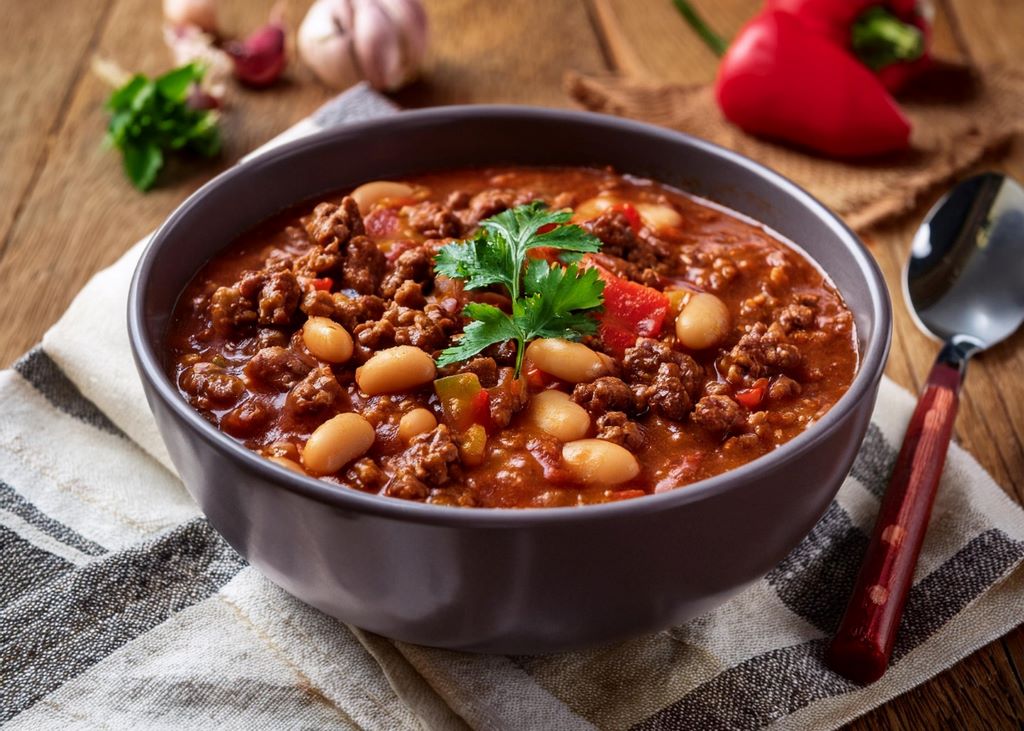
Best Months for Cook-Off Tourism
September represents peak season for Colorado chili competitions. Weather remains warm during daytime while cool evenings enhance chili’s appeal. Additionally, harvest season provides fresh local ingredients for creative recipes.
October events often coincide with fall color viewing opportunities. Aspen leaves create stunning backdrops for outdoor competitions. However, weather becomes less predictable as winter approaches.
August competitions avoid potential weather issues but may compete with other summer festivals. Therefore, researching specific town calendars helps optimize travel planning.
Local Ingredients and Sourcing
Colorado’s agricultural diversity influences chili competition ingredients significantly. Local beef ranches provide high-quality meat for traditional recipes. Additionally, mountain spring water enhances flavor development during long cooking processes.
Regional pepper varieties grown in Colorado’s Western Slope add unique characteristics. These peppers often have different heat levels and flavor profiles compared to imported varieties. Therefore, using local ingredients can provide competitive advantages.
Many competitors visit local farmers markets for fresh ingredients. Supporting local agriculture strengthens community connections. Additionally, fresh ingredients often produce superior flavors compared to grocery store alternatives.
Specialty Colorado Ingredients
Pueblo peppers have gained recognition for distinctive flavor and moderate heat levels. These peppers work excellently in both red and green chili preparations. Additionally, their availability during competition season makes them popular choices.
Local craft breweries provide unique beer options for recipe enhancement. Using regional beers creates distinctive flavor profiles that judges appreciate. However, alcohol content must be considered during cooking processes.
Rocky Mountain honey adds subtle sweetness that balances spicy heat levels. This ingredient helps create complex flavor profiles without overwhelming other components. Therefore, many winning recipes incorporate local honey strategically.
Competition Rules and Judging Criteria
Most Colorado chili cook-offs follow similar basic rules with local variations. Contestants typically register in advance and pay modest entry fees. Additionally, participants must prepare entries on-site or within specified timeframes.
Judging criteria usually include taste, texture, aroma, and visual presentation. Some competitions weight taste most heavily while others balance all factors equally. Therefore, understanding specific rules helps competitors prepare effectively.
Safety regulations require proper food handling and temperature maintenance. Contestants must provide their own cooking equipment and ingredients. Additionally, electrical connections and propane usage have specific guidelines.
Common Competition Categories
Traditional categories include red chili, green chili, and vegetarian options. Some competitions add specialty categories like “hottest chili” or “most creative recipe.” Additionally, team competitions encourage collaborative cooking efforts.
Judging panels typically include local restaurant owners, food writers, and community leaders. Blind judging prevents bias toward known competitors. However, some events allow people’s choice voting alongside official judging.
According to the Denver Post, small-town food festivals contribute significantly to Colorado’s tourism economy while preserving local culinary traditions.
Economic Impact on Small Towns
Chili cook-offs provide substantial economic benefits for small Colorado communities. Visitors spend money on lodging, dining, and local shopping during festival weekends. Additionally, positive publicity attracts future tourism throughout the year.
Local businesses often sponsor competitions or provide prizes for winners. This community investment strengthens relationships between businesses and residents. Therefore, cook-offs create economic multiplier effects beyond direct visitor spending.
Media coverage of unique competitions helps establish town identities and tourism brands. Social media sharing extends reach far beyond initial event attendance. However, managing growth while maintaining authentic community character requires careful planning.
Conclusion
Colorado’s secret chili cook-off towns offer authentic cultural experiences that showcase community spirit and culinary creativity. These competitions preserve local traditions while welcoming visitors to participate in genuine mountain town celebrations. Additionally, they provide economic benefits that help sustain small communities throughout the state.
From Creede’s historic mining town atmosphere to Fairplay’s high-altitude challenges, each competition offers unique characteristics worth experiencing. Therefore, planning a chili cook-off tour reveals Colorado’s hidden culinary gems while supporting local communities. These events demonstrate how food brings people together regardless of background or experience level.
Frequently Asked Questions
When is the best time to visit Colorado chili cook-off towns? September offers optimal weather and peak competition season. Additionally, fall colors provide stunning scenery during many events throughout the state.
Do I need to register in advance for chili cook-off events? Most competitions welcome spectators without advance registration. However, some popular events have limited capacity, so checking ahead prevents disappointment.
Can visitors participate in cooking competitions without experience? Many towns welcome amateur cooks alongside experienced competitors. Additionally, some events have beginner-friendly categories that encourage first-time participation.
How much does it typically cost to attend these festivals? Admission fees range from free to $10 per person. Additionally, chili tasting usually costs $5-15, with proceeds supporting local charities or organizations.
Are these events family-friendly with activities for children? Most chili cook-offs include family activities like games, music, and craft vendors. However, spicy food tasting may not appeal to young children’s palates.
Read More: