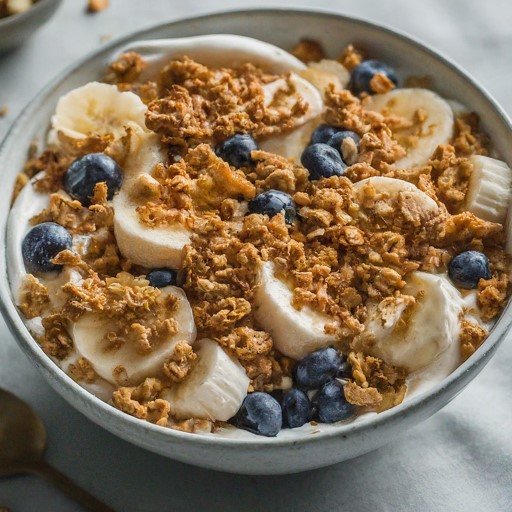

The art of flavor pairing can transform your everyday cooking into culinary masterpieces. It’s about understanding how different tastes and aromas interact, creating a symphony of flavors that tantalize your taste buds. This guide will walk you through the fundamentals of flavor pairing, offering tips and techniques to help you master this essential skill.
Understanding Flavor Profiles
Every ingredient has a unique flavor profile, a combination of sweet, salty, sour, bitter, and umami tastes. These basic tastes can be further enhanced by aromas and textures. Understanding these flavor profiles is the first step toward successful pairing.
- Sweet: Think of fruits like berries and bananas, honey, or sugar. Sweetness can balance other flavors and add a pleasant touch to your dishes.
- Salty: Salt is a fundamental flavor enhancer. It can bring out the natural flavors of ingredients and add complexity to your dishes.
- Sour: Citrus fruits like lemons and limes, vinegar, or yogurt offer a tangy flavor that can cut through richness and add brightness.
- Bitter: Coffee, dark chocolate, or leafy greens like kale have a bitter taste that can add depth and complexity to your dishes.
- Umami: This savory flavor is found in ingredients like mushrooms, tomatoes, soy sauce, and aged cheese. It adds a rich, meaty depth to your dishes.
The Flavor Pairing Wheel
A flavor pairing wheel is a helpful tool that visually represents how different flavors interact. It’s based on the idea that complementary flavors, those that are opposite each other on the wheel, tend to pair well together. For example, sweet and sour, salty and sweet, or bitter and umami. This concept can be particularly useful in creating balanced and intriguing dishes, whether you’re a professional chef or a home cook. Understanding these interactions can also be beneficial when considering the ingredients in various products, such as those that contain Yoplait bioengineered food ingredients, ensuring a harmonious blend of flavors in every bite.
While the flavor pairing wheel is a great starting point, it’s not a strict rule. Feel free to experiment and discover your own unique flavor combinations.
Related: Conquer Cravings: Satisfying Smoothie Snacks
Tips for Flavor Pairing
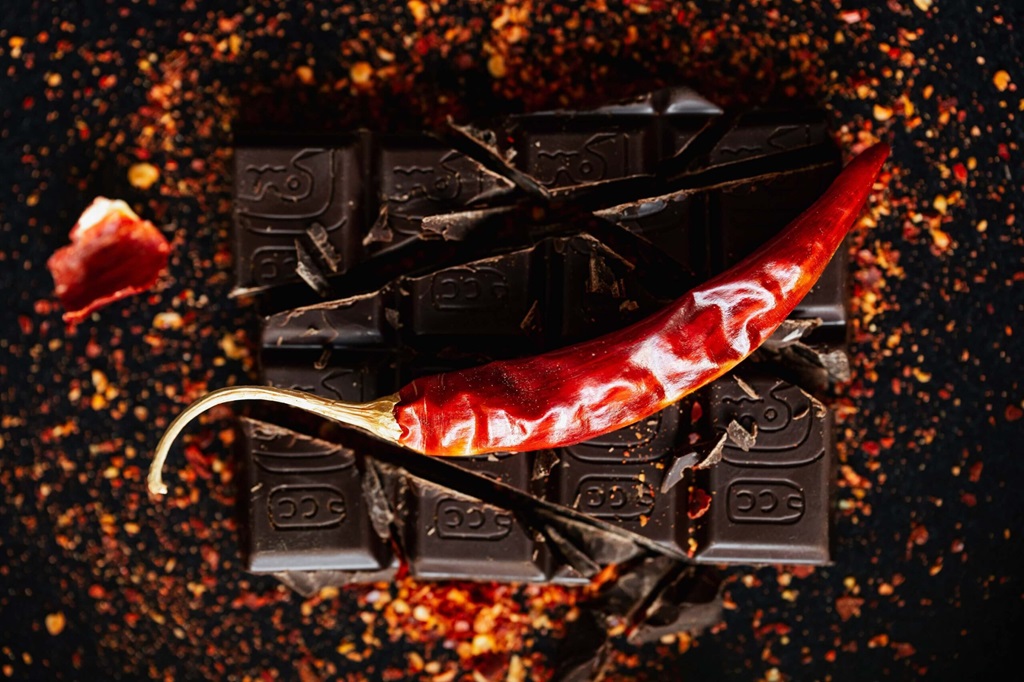
Here are some practical tips to help you master the art of flavor pairing:
- Start with familiar pairings: Begin by experimenting with classic combinations like tomato and basil, chocolate and mint, or apple and cinnamon. This will help you develop your palate and understand how different flavors interact.
- Balance flavors: A well-balanced dish should have a harmonious blend of flavors. Don’t let one flavor overpower the others. Aim for a balance of sweet, salty, sour, bitter, and umami.
- Consider the dish’s purpose: The flavor pairings you choose should complement the overall purpose of the dish. For example, a light salad might benefit from bright, refreshing flavors, while a hearty stew might call for deeper, richer flavors.
- Experiment with textures: Texture plays a crucial role in flavor perception. A dish with varying textures can be more interesting and satisfying. Think of a creamy soup with crunchy croutons or a tender steak with crispy roasted vegetables.
- Use herbs and spices wisely: Herbs and spices can add a whole new dimension to your dishes. Experiment with different combinations to discover new flavor profiles.
- Trust your taste buds: The most important rule of flavor pairing is to trust your taste buds. If a combination tastes good to you, it’s probably a good pairing.
Examples of Flavor Pairings
Here are some examples of flavor pairings to inspire you:
- Fruit and Cheese: The sweetness of fruit complements the saltiness of cheese, creating a delicious contrast. Try pairing apples with cheddar, pears with gorgonzola, or figs with goat cheese.
- Meat and Fruit: The sweetness of fruit can balance the richness of meat. Think of pork with applesauce, duck with cherries, or lamb with pomegranate.
- Seafood and Citrus: The acidity of citrus brightens the flavor of seafood. A squeeze of lemon or lime can elevate grilled fish or shrimp.
- Vegetables and Herbs: Fresh herbs can enhance the natural flavors of vegetables. Try pairing basil with tomatoes, dill with cucumbers, or rosemary with potatoes.
Conclusion
Mastering the art of flavor pairing takes time and practice. But with a little knowledge and experimentation, you can create dishes that are not only delicious but also memorable. Remember, the best flavor pairings are the ones that you enjoy the most. So, don’t be afraid to try new things and discover your own unique flavor combinations. Happy cooking!