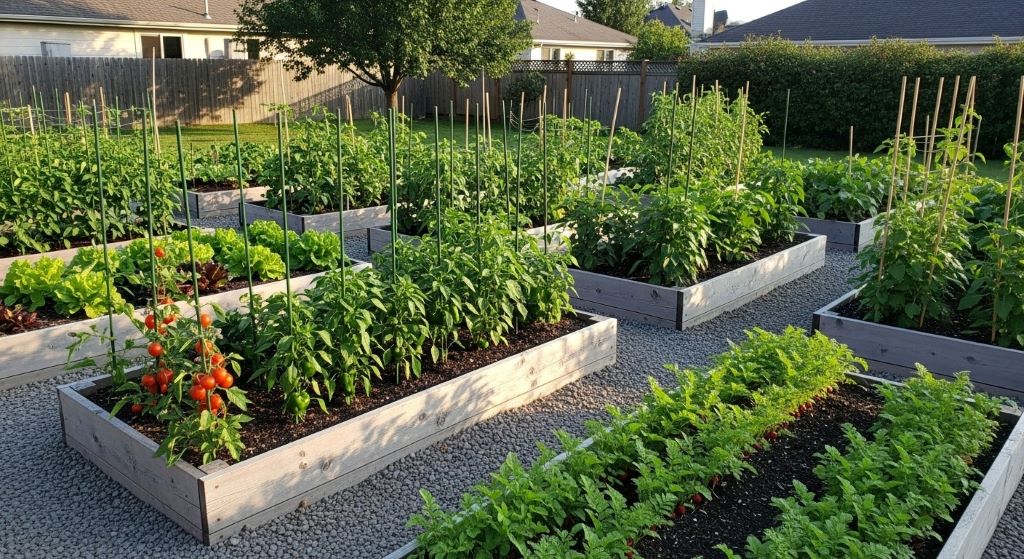

Creating a vibrant cutting garden filled with colorful blooms is a rewarding endeavor for any gardener. However, pests like aphids, whiteflies, and beetles can quickly turn a thriving garden into a battleground. Instead of relying on chemical pesticides, many gardeners turn to companion planting to naturally deter pests while enhancing the beauty of their gardens. By strategically choosing companion flowers, you can protect your cutting garden while promoting a healthy ecosystem. This article, inspired by resources like Be Gardenly, explores the best companion flowers for natural pest control in a cutting garden, offering practical tips to keep your blooms flourishing.
Why Companion Planting Works for Pest Control
Companion planting involves growing different plants together to benefit one another, whether by repelling pests, attracting beneficial insects, or improving soil health. In a cutting garden, where flowers like roses, zinnias, and dahlias are grown for bouquets, pest control is crucial to maintain vibrant blooms. Certain flowers emit scents or chemicals that deter pests, while others attract predatory insects like ladybugs and lacewings that feed on common garden pests. Additionally, companion flowers can enhance pollination by drawing bees and butterflies, ensuring your cutting garden thrives. For instance, learning how to deadhead veronica can keep these plants blooming longer, making them effective pest-repelling companions.
Top Companion Flowers for Natural Pest Control
Below are some of the best companion flowers for a cutting garden, chosen for their ability to deter pests naturally while adding aesthetic value. Each flower is easy to grow and complements popular cutting garden blooms.
- Marigolds (Tagetes spp.): Marigolds are a powerhouse for pest control. Their strong scent repels aphids, nematodes, and whiteflies. The roots of French marigolds release a substance that deters soil-dwelling nematodes, making them ideal companions for roses and zinnias. Plant marigolds along garden borders or intersperse them among your cutting flowers for maximum effect.
- Nasturtiums (Tropaeolum majus): These vibrant flowers act as a trap crop, luring aphids and whiteflies away from your primary blooms. Nasturtiums are particularly effective when planted near dahlias or cosmos. Their peppery scent also repels beetles, and their edible blooms add a functional beauty to your garden.
- Lavender (Lavandula spp.): Lavender’s fragrant blooms deter moths, fleas, and flies while attracting pollinators like bees. Its compact growth makes it a great border plant for cutting gardens with peonies or snapdragons. Lavender thrives in sunny, well-drained soil, making it a low-maintenance choice.
- Yarrow (Achillea millefolium): Yarrow attracts beneficial insects like ladybugs and parasitic wasps, which prey on aphids and caterpillars. Its feathery foliage and flat-topped blooms add texture to arrangements and pair well with sunflowers or salvia. Yarrow’s drought tolerance makes it a hardy companion.
- Alyssum (Lobularia maritima): Sweet alyssum’s delicate white or purple flowers attract hoverflies, which feed on aphids. Its low-growing habit makes it an excellent ground cover around taller cutting flowers like larkspur or delphiniums. Alyssum also blooms profusely, adding charm to your garden.
How to Integrate Companion Flowers into Your Cutting Garden

Incorporating companion flowers into your cutting garden requires thoughtful planning to balance pest control with aesthetics. First, consider the growth habits and bloom times of your chosen flowers. For example, marigolds and nasturtiums bloom throughout the summer, making them reliable partners for long-season cutting flowers like zinnias. Conversely, lavender and yarrow may need regular pruning to maintain their shape and encourage continuous blooming. Regular maintenance, such as deadheading veronica, ensures that companion plants remain effective and visually appealing.
Next, strategically place companion flowers to maximize their pest-repelling benefits. Plant marigolds and nasturtiums near the edges of your garden to create a protective barrier. Intersperse alyssum among taller flowers to act as a living mulch, suppressing weeds while attracting beneficial insects. Additionally, group lavender near entry points to deter flying pests. Ensure that your companion plants receive adequate sunlight and water, as stressed plants are less effective at repelling pests.
For optimal results, diversify your companion plantings. Combining multiple pest-repelling flowers creates a robust defense system. For example, pairing marigolds with yarrow can deter a wide range of pests while attracting predatory insects. According to the University of California’s Integrated Pest Management Program, diverse plantings confuse pests and reduce the likelihood of infestations. Similarly, the Royal Horticultural Society emphasizes that companion planting enhances biodiversity, benefiting both your garden and the environment.
Additional Benefits of Companion Flowers
Beyond pest control, companion flowers offer several advantages for your cutting garden. Many of these plants, like nasturtiums and yarrow, are excellent for cut flower arrangements, adding unique colors and textures to bouquets. Moreover, companion flowers often improve soil health. For instance, marigolds’ root systems help aerate the soil, while alyssum’s dense growth prevents erosion. These plants also attract pollinators, ensuring better seed and fruit production if you grow edibles alongside your flowers.
Another benefit is the low maintenance of many companion flowers. Lavender and yarrow are drought-tolerant, requiring minimal watering once established. Nasturtiums and alyssum self-seed readily, reducing the need for replanting. However, be cautious with self-seeding plants, as they can become invasive if not managed properly. Regular deadheading or selective harvesting can prevent overgrowth while keeping your garden tidy.
Read Also:
Best Garden Tools Reviews in Houston – Shovels, Shears & More
Beginner’s Lawn Care Guide: NYC Steps to a Green Lawn
Tips for Maintaining a Pest-Free Cutting Garden
To maximize the effectiveness of companion flowers, follow these practical tips:
- Monitor Pest Activity: Regularly inspect your plants for signs of pests. Early detection allows you to rely on companion plants and beneficial insects before infestations escalate.
- Rotate Plantings: Rotate companion flowers each season to prevent soil depletion and disrupt pest life cycles. For example, alternate marigolds with nasturtiums in different beds.
- Encourage Beneficial Insects: Avoid broad-spectrum pesticides, which can harm ladybugs, hoverflies, and other helpful insects. Instead, rely on companion flowers to attract these natural predators.
- Maintain Plant Health: Healthy plants are more resistant to pests. Ensure proper watering, fertilization, and pruning, including techniques like deadheading veronica to prolong blooming.
Common Mistakes to Avoid
While companion planting is effective, certain pitfalls can reduce its success. One common mistake is overcrowding plants, which can limit airflow and increase humidity, creating a breeding ground for pests. Ensure adequate spacing between companion flowers and your cutting blooms. Another error is neglecting soil compatibility. For instance, lavender prefers dry, sandy soil, while alyssum thrives in richer, moist conditions. Research the needs of each plant to ensure harmony in your garden.
Additionally, avoid planting companion flowers that may attract unwanted pests. For example, while nasturtiums lure aphids away from other plants, they can become overwhelmed if not monitored. Regularly remove affected leaves to prevent pest spread. Finally, don’t rely solely on companion planting. Combine it with other organic methods, like hand-picking pests or using neem oil, for a comprehensive pest control strategy.
FAQs
What are the best companion flowers for repelling aphids in a cutting garden?
Marigolds, nasturtiums, and alyssum are excellent for repelling aphids. Marigolds emit a scent that deters aphids, while nasturtiums act as a trap crop, and alyssum attracts hoverflies that prey on aphids.
Can companion flowers attract beneficial insects to my cutting garden?
Yes, flowers like yarrow and alyssum attract beneficial insects such as ladybugs, lacewings, and hoverflies, which feed on common pests like aphids and caterpillars, helping to keep your garden healthy.
How do I incorporate companion flowers without overcrowding my garden?
Space companion flowers strategically, such as planting low-growing alyssum as a ground cover or placing marigolds along borders. Ensure proper spacing to maintain airflow and prevent pest-friendly conditions.
Are companion flowers suitable for cut flower arrangements?
Many companion flowers, including nasturtiums, yarrow, and marigolds, are excellent for cut flower arrangements, offering vibrant colors and unique textures that enhance bouquets.
Do companion flowers require special care to be effective?
Most companion flowers are low-maintenance but benefit from regular care like deadheading, proper watering, and occasional pruning to maintain their pest-repelling properties and aesthetic appeal.
Conclusion
Creating a pest-free cutting garden doesn’t require harsh chemicals. By incorporating companion flowers like marigolds, nasturtiums, lavender, yarrow, and alyssum, you can naturally deter pests while enhancing the beauty and biodiversity of your garden. These plants not only repel unwanted insects but also attract beneficial pollinators and predators, ensuring your cutting flowers thrive. With thoughtful planning, proper maintenance like deadheading veronica, and a commitment to organic practices, your cutting garden can flourish as a vibrant, pest-resistant haven for stunning bouquets.