

Open-plan living spaces are beloved for their versatility and openness, but they can sometimes feel too vast or undefined. By incorporating floor plants, you can transform these spaces into cozy, distinct zones while maintaining the overall aesthetic of your wood floors. This guide explores practical strategies and creative ideas to help you use floor plants effectively, keeping your home stylish and inviting. Explore Begardenly for more inspiration on incorporating greenery into your living spaces.
Benefits of Using Floor Plants in Open-plan Living Spaces
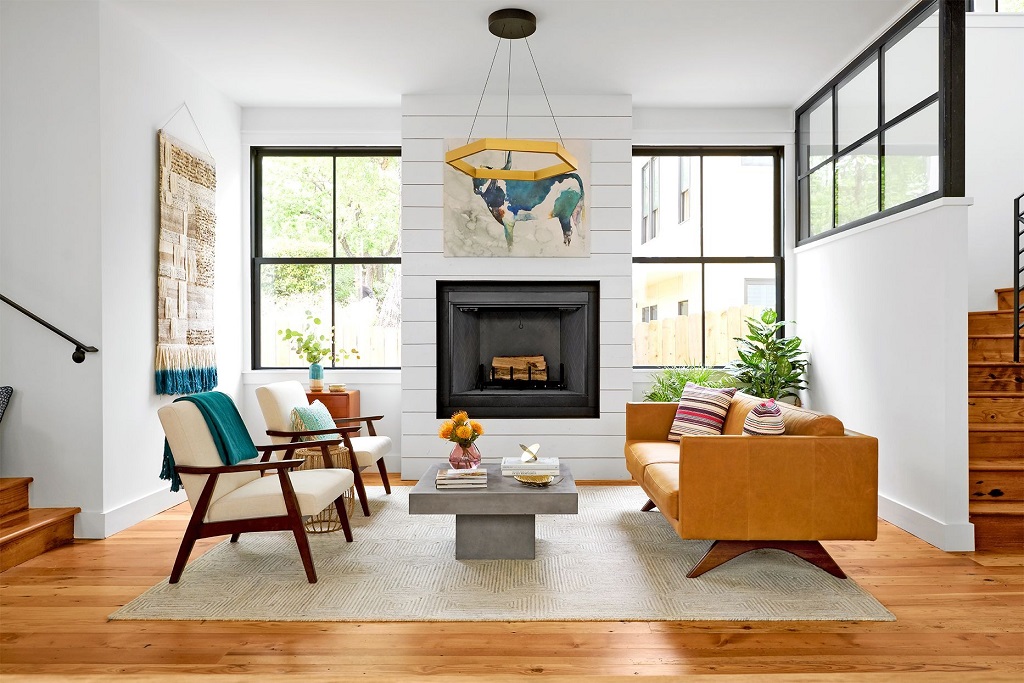
Floor plants are more than just decorative elements; they are practical tools for creating balance and harmony in open-plan designs. The juxtaposition of lush greenery against wood floors creates a natural and earthy vibe. Research by NASA highlights that plants improve air quality, making them beneficial for health.
A well-placed plant can create a natural barrier between functional areas, such as the kitchen and living room, offering privacy without the need for structural changes. Snake plants or large palms, for instance, add a vertical element that draws the eye upward, enhancing the feeling of spaciousness.
Floor plants also soften the acoustic harshness often associated with large, open spaces by absorbing sound waves. For homes with wood floors, which can amplify noise, this is particularly valuable. By adding a mix of texture and height, plants become both functional and aesthetic assets to your design.
Choosing the Right Plants for Wood Floors
Selecting the right plants for your wood-floored space requires careful consideration. Certain plants thrive indoors, adding to the ambiance without requiring excessive maintenance. Examples include fiddle-leaf figs, monstera, and rubber plants, which pair well with the warm tones of wooden floors.
Placement is equally crucial. Avoid direct sunlight on polished wood floors as it can cause discoloration. Consider using large pots with bottom trays to prevent water damage to your floors. A helpful tip is to add felt pads under pots to avoid scratches when moving them.
Accidents can happen, such as spills while watering. If you’re dealing with cleaning challenges, learn how to clean roundup off concrete for guidance on handling tough spills on different surfaces. This ensures your floors remain pristine even with the daily care plants require.
Designing Zones with Floor Plants in Open-plan Spaces
Floor plants can be strategic tools for creating zones within open-plan living areas. Use tall plants, such as bamboo or dracaena, to frame a dining area, visually separating it from the living room. For reading nooks, a cluster of smaller plants like ferns and succulents can create a cozy vibe.
Incorporating tiered plant stands allows for layering greenery, adding depth and height variety to the space. You can even pair plants with complementary furniture pieces like wooden stands or metal planters that match the tone of your wood flooring.
Experiment with combinations of plant textures and colors. For example, pair glossy green leaves with plants that have variegated patterns to enhance visual interest. This dynamic contrast not only defines areas but also becomes a conversation starter when entertaining guests.
Caring for Your Floor Plants in Open-plan Living Spaces
Plant care is essential to maintaining their beauty and effectiveness in your design. Different plants have unique watering and lighting needs. Investing in moisture meters or self-watering pots can simplify the care process, especially for those new to plant parenting.
To protect your wood floors, always use saucers or liners under pots. Spills or leaks can cause warping, a common issue for wood surfaces. A quick clean-up ensures longevity and prevents stains.
Lighting is another key factor. While plants like the peace lily thrive in indirect light, others, such as the areca palm, require bright, indirect sunlight. Use blinds or sheer curtains to control the natural light pouring in, which also safeguards your wood floors from UV damage.
Conclusion
Using floor plants to define spaces in open-plan living with wood floors is a blend of art and functionality. Plants offer natural, flexible solutions to create distinct zones, enhance air quality, and add vibrancy to your interiors. With proper selection and care, they seamlessly integrate with wood floors, elevating the ambiance of your home.
FAQs
What are the best floor plants for open-plan spaces?
The best floor plants include fiddle-leaf figs, snake plants, and monstera. These plants thrive indoors and complement wooden flooring beautifully.
How can floor plants protect my wood floors?
Use saucers or liners under plant pots to catch water, and felt pads to prevent scratches. Regularly clean spills to avoid damage.
Can plants help with noise reduction in open spaces?
Yes, floor plants absorb sound waves, reducing echoes and improving acoustics in large, open-plan areas.
What’s the ideal lighting for floor plants in open-plan spaces?
Most indoor plants thrive in bright, indirect sunlight. Use sheer curtains to filter light and protect both plants and wood floors.
How can I create zones in open-plan spaces using plants?
Tall plants like bamboo can act as natural dividers, while clusters of smaller plants create intimate zones, such as reading nooks.
How do I care for plants without damaging wood floors?
Invest in moisture meters, use saucers, and promptly clean spills to protect your floors from water-related issues.


