

Concrete is a crucial component of modern construction, but poor workmanship can lead to various defects that compromise its strength, durability, and aesthetic appeal. In this article, we’ll explore the common defects caused by inadequate work practices and provide insights into how these issues can be prevented. Whether you’re a homeowner, contractor, or DIY enthusiast, understanding the root causes of concrete defects can help you achieve better results in your next project. To get more tips on maintaining your garden and other concrete-related matters, explore Begardenly for helpful advice and solutions.
What Are the Most Common Concrete Defects Due to Poor Workmanship?
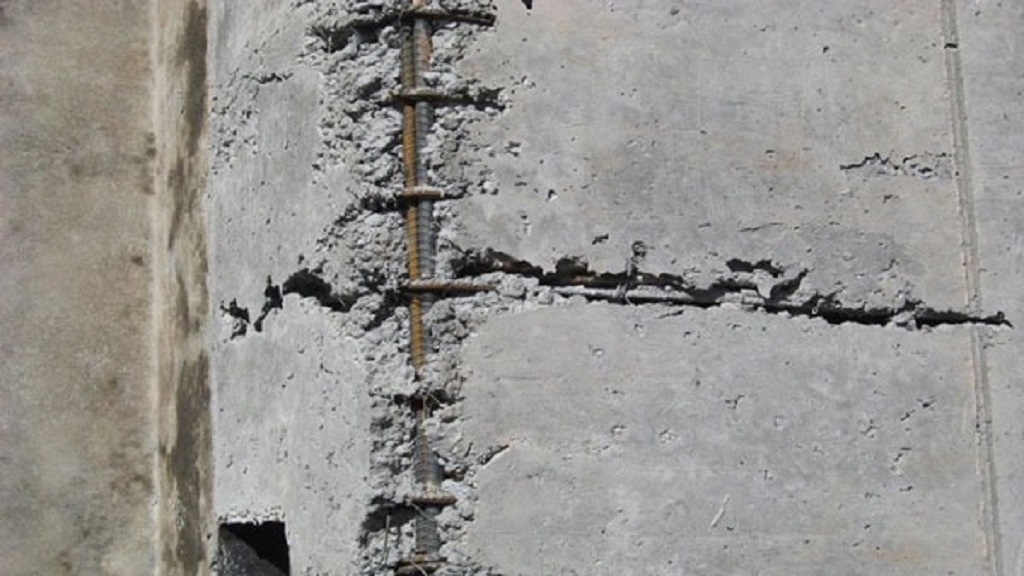
Concrete defects often occur when the mixing, pouring, or curing process is done incorrectly. Some of the most common defects caused by poor workmanship include:
- Cracking:
Cracking is perhaps the most common issue with concrete. It happens due to several reasons, such as improper mixing, poor curing practices, and the use of low-quality materials. According to the American Concrete Institute (ACI), nearly 85% of all concrete structures experience some form of cracking during their lifespan. Cracks can appear due to shrinkage, thermal expansion, or even external stresses like heavy loads. If the cracks are too wide or deep, they can lead to water penetration, rusting of embedded steel, and eventual structural failure.
- Honeycombing:
Honeycombing is a defect that appears as voids or air pockets on the surface of concrete. This occurs when the concrete mix is not properly vibrated during pouring, leaving gaps between the aggregates. According to research by the International Journal of Concrete Structures and Materials, improper compaction is a leading cause of honeycombing. This defect compromises the strength of the concrete and can lead to its early deterioration.
- Poor Finishing:
A concrete surface should be smooth and even, but poor finishing can lead to an uneven texture, leading to aesthetic issues and water pooling. Finishing errors, such as over-troweling, can also lead to surface segregation, where the coarse aggregates rise to the surface. This can affect the durability and appearance of the concrete structure.
- Scaling:
Scaling is the process where the surface of concrete begins to flake off due to the action of freezing and thawing. This typically happens when water is trapped within the concrete, and when the temperature drops, it freezes and expands, causing the surface to break away. Poor workmanship, such as insufficient curing or the use of improper mix proportions is often the cause of scaling in concrete.
Read More Also: Boost Android Storage: Free Up Space
Why Do Concrete Defects Occur Due to Poor Workmanship?
Poor workmanship can stem from several factors, such as lack of experience, inadequate training, or rushing through the project. Below are some of the key reasons for defects:
- Lack of Proper Curing:
Concrete requires a curing process where moisture is maintained for a specific period to ensure it achieves its desired strength. Improper curing methods—such as exposing freshly poured concrete to wind and sunlight—can lead to cracking and weak surfaces. According to the Portland Cement Association, proper curing is essential for the first 28 days after the concrete is poured.
- Incorrect Mixing Ratio:
The water-to-cement ratio plays a crucial role in the final quality of concrete. Too much water can make the mixture weak, while too little water makes it difficult to pour and spread. For example, the Concrete Society recommends a 0.45 water-to-cement ratio for most construction projects. Improper mixing not only affects the strength but can also lead to defects like cracking and honeycombing.
- Poor Material Selection:
Using subpar materials, such as low-quality aggregates or cement, can also lead to defects in concrete. The aggregates should be clean and well-graded to ensure uniform mixing. The American Concrete Institute notes that impurities in aggregates can prevent the formation of strong bonds between the cement and the aggregate particles, leading to weak concrete structures.
- Inadequate Compaction:
Concrete needs to be compacted properly during pouring to remove air pockets. Failure to do so results in honeycombing and reduced strength. According to the Concrete Institute of Australia, inadequate compaction reduces the overall strength and durability of concrete, making it more susceptible to cracking.
While improper construction methods can weaken concrete, external factors like chemicals can also cause harm. Many gardeners use Roundup as an herbicide to control weeds, but it can potentially damage concrete surfaces if spilled. Roundup contains glyphosate, which can lead to discoloration and surface degradation when left on concrete for extended periods. To clean up a Roundup spill on concrete, it is important to act quickly and thoroughly. For more information on how to clean up Roundup spills, check out this article on does roundup damages concrete.
Preventing Concrete Defects Through Proper Workmanship
The good news is that most of these defects can be avoided by following best practices in concrete construction:
- Ensure Proper Mixing and Proportions: Always follow the correct water-to-cement ratio and ensure that the mix is uniform.
- Invest in Quality Materials: Use high-quality cement and well-graded aggregates. The quality of the raw materials directly impacts the final product.
- Ensure Adequate Curing: Proper curing is vital to prevent surface cracking. Cover the concrete with wet burlap or plastic sheets to retain moisture during the curing period.
- Compact the Concrete Well: Use mechanical vibrators to ensure proper compaction and prevent air pockets from forming.
- Work With Experienced Contractors: Hiring professionals who understand the nuances of concrete pouring, mixing, and curing can significantly reduce the risk of defects.
Conclusion
Defects in concrete due to poor workmanship are a common issue in construction, but they are largely preventable with the right practices and attention to detail. Whether it’s cracking, honeycombing, or poor finishing, understanding the causes and implementing proper techniques can ensure that your concrete structures are strong, durable, and aesthetically pleasing. By following the recommendations outlined above, you can reduce the risk of these common defects and enhance the overall longevity of your concrete surfaces.