

Precision is the backbone of any successful mechanical or assembly work, and having the right tool for torque applications can make all the difference. Both Snap-on torque wrenches and torque screwdrivers offer accurate torque control, but how do you decide which tool to use? Understanding their key differences, use cases, and benefits can save you time, money, and frustration. Whether you’re a professional mechanic or a DIY enthusiast, this guide will help you determine when to choose a Snap-on torque wrench over a torque screwdriver. To explore more tools, check out Bestusatools.
When to Choose a Snap-on Torque Wrench Over a Torque Screwdriver: Understanding Torque
Torque, simply put, is the force applied to rotate an object, such as a bolt or a screw. In applications requiring precision, applying the correct torque ensures safety, durability, and optimal performance. Both Snap-on torque wrenches and torque screwdrivers provide accurate torque control, but each serves a specific purpose based on the job’s requirements.
When to Use a Snap-on Torque Wrench
Snap-on torque wrenches are engineered for high-precision tasks involving bolts and fasteners requiring significant torque. They are commonly used in automotive repairs, machinery maintenance, and heavy-duty applications. For instance, when working on engines, suspension systems, or structural assemblies, a torque wrench is indispensable.
Using the best Snap-on torque wrench ensures consistent, reliable results in these demanding tasks. With advanced features like electronic displays, sound alerts, and ergonomic grips, these tools cater to professionals seeking maximum efficiency and precision.
Benefits of a Snap-on Torque Wrench
- Wide Torque Range: Torque wrenches typically handle higher torque ranges (20 ft-lbs to over 250 ft-lbs), making them ideal for large fasteners.
- Durability: Snap-on wrenches are built with robust materials for heavy-duty applications, ensuring long-term reliability.
- Advanced Features: Digital Snap-on torque wrenches offer real-time feedback, enhancing precision and reducing errors.
- Versatility: They are suitable for automotive, industrial, and aerospace applications.
When to Use a Torque Screwdriver
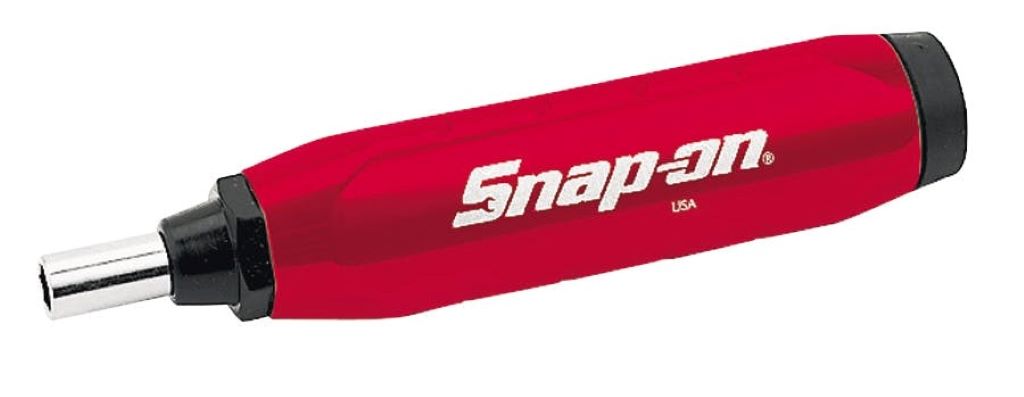
Torque screwdrivers are designed for smaller, more delicate tasks where precision is key. These tools are ideal for applications in electronics, medical devices, and intricate assembly work, such as tightening small screws on circuit boards or optical instruments.
Their low torque range (typically 1 in-lb to 100 in-lbs) makes them perfect for delicate fasteners that could strip or damage under excessive force.
Benefits of a Torque Screwdriver
- Precision: Provides accurate torque settings for small screws, preventing over-tightening.
- Compact Design: Lightweight and ergonomic, torque screwdrivers are easier to handle for intricate tasks.
- Cost-Effective for Smaller Jobs: They are a budget-friendly solution for precision work without the need for extensive torque ranges.
Key Differences Between Snap-on Torque Wrenches and Torque Screwdrivers
| Feature | Snap-on Torque Wrench | Torque Screwdriver |
| Torque Range | 20 ft-lbs to over 250 ft-lbs | 1 in-lb to 100 in-lbs |
| Best Use Cases | Automotive, industrial, heavy-duty | Electronics, medical, precision |
| Size | Larger and heavier | Compact and lightweight |
| Applications | Engines, bolts, structural parts | Small screws, delicate items |
How to Decide Which Tool to Use
- Assess the Torque Requirements: If the task involves high torque, go for a Snap-on torque wrench. For lower torque, a torque screwdriver is more suitable.
- Consider the Fastener Size: Larger fasteners typically require torque wrenches, while smaller ones benefit from screwdrivers.
- Evaluate the Application Environment: In automotive or heavy machinery repairs, torque wrenches are indispensable. For delicate assembly, a torque screwdriver is preferable.
Top Scenarios for Choosing a Snap-on Torque Wrench
- Automotive Repairs: Tightening wheel lug nuts or engine bolts.
- Heavy Machinery Maintenance: Ensuring the structural integrity of equipment.
- Aerospace Applications: High-precision requirements for aircraft components.
Top Scenarios for Choosing a Torque Screwdriver
- Electronics Assembly: Securing delicate circuit boards.
- Medical Device Manufacturing: Tightening screws without damaging sensitive components.
- Home DIY Projects: Precision tasks involving small screws.
How to Fix a Fluctuating Gas Gauge: 7 Proven Methods You Need to Know
Maintenance Tips for Snap-on Torque Wrenches and Torque Screwdrivers
Proper care ensures your tools perform optimally:
- Calibration: Regular calibration maintains accuracy.
- Storage: Store tools in a clean, dry place to prevent corrosion.
- Usage Guidelines: Avoid exceeding the torque range to prevent damage.
You Might Enjoy: How Long Does a Car Battery Last? Everything You Need to Know
FAQs
What is the main difference between a Snap-on torque wrench and a torque screwdriver?
Snap-on torque wrenches are designed for higher torque applications, while torque screwdrivers excel in precision tasks requiring lower torque.
When should I use a Snap-on torque wrench?
A Snap-on torque wrench is ideal for automotive repairs, heavy machinery, and other high-torque applications.
What are the benefits of a torque screwdriver?
Torque screwdrivers offer precise control, compact design, and are cost-effective for small-scale tasks.
How often should I calibrate my torque tools?
Both tools should be calibrated every 6-12 months or after significant usage to maintain accuracy.
Can I use a torque screwdriver for automotive repairs?
No, torque screwdrivers lack the torque range required for automotive tasks.
Conclusion
Choosing between a Snap-on torque wrench and a torque screwdriver boils down to understanding the specific requirements of your task. When to choose a Snap-on torque wrench over a torque screwdriver depends on factors like torque range and application type. While the Snap-on torque wrench is a powerhouse for high-torque applications, the torque screwdriver excels in precision and finesse. Equip yourself with the right tool, and you’ll ensure the accuracy, safety, and efficiency of your work.


