
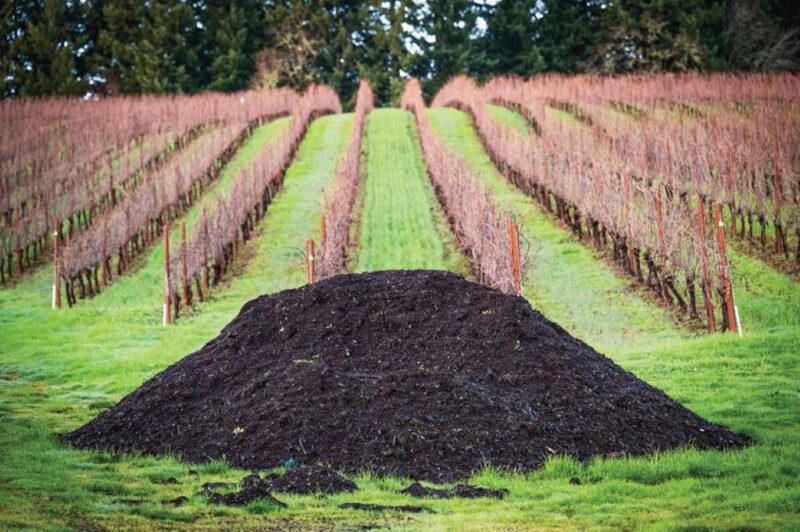
Gardeners understand that healthy soil is the backbone of a thriving garden. Amending your existing soil with organic matter is one of the best ways to boost nutrients, improve drainage, and create a welcoming environment for beneficial soil organisms. Two of the most popular soil amendments are manure and mushroom compost. But what’s the difference between the two, and which is right for your needs?
Understanding Manure
Manure, simply put, is animal waste. Common types used in the garden include cow, horse, chicken, and sheep manure. Manure is high in nitrogen, phosphorus, potassium, and other essential nutrients that plants need. However, there are a few things to keep in mind:
- “Hot” vs. “Cold”: Fresh manure is considered “hot” and can burn your plants if applied directly. It must be composted or aged for several months to a year before it’s safe to use.
- Potential for Weed Seeds: Manure, particularly from grazing animals, can contain weed seeds that could sprout in your garden. Composting helps reduce this risk.
- Pathogens: Raw manure may contain pathogens like E.coli, which can be harmful if you’re growing edible crops. Aged or composted manure is safer.
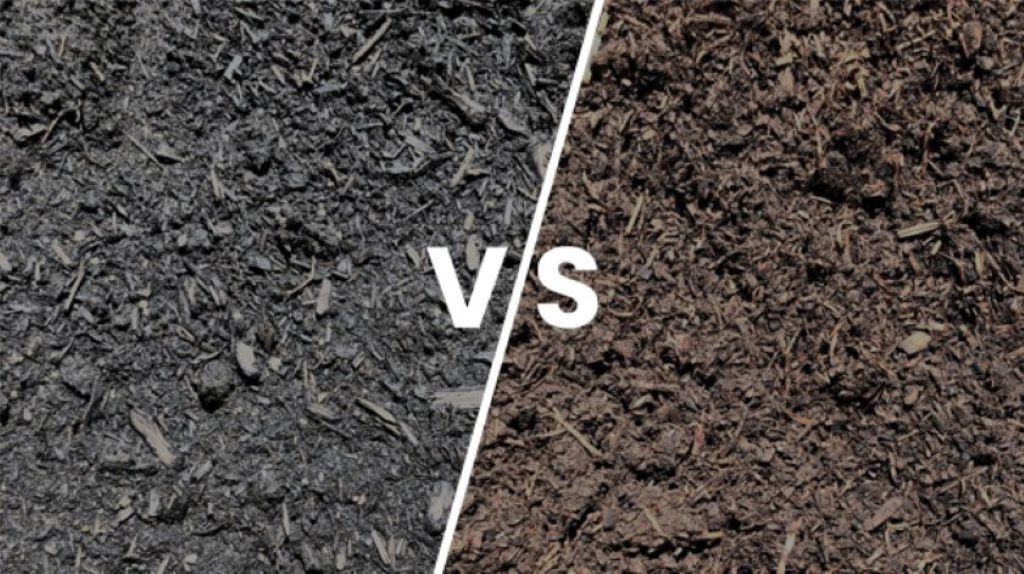
The Benefits of Mushroom Compost
Mushroom compost is a unique soil amendment created from a by-product of the mushroom-growing industry. Here’s how it’s made:
- Base Materials: A mixture of straw, hay, horse manure, poultry manure, gypsum, and other ingredients are combined.
- Composting: The mixture goes through a controlled composting process which includes heating to very high temperatures. This pasteurization process kills weed seeds and pathogens.
- Mushroom Growing: The pasteurized compost is used as a growing medium for mushrooms.
- Spent Compost: After the mushrooms are harvested, the remaining “spent” material is mushroom compost.
Mushroom compost is generally:
- Lower in Nutrients: While it has nutrients, the levels are usually lower than composted manure.
- More Balanced: It offers a good mix of macro and micronutrients.
- Safer: The high-heat composting process makes it unlikely to introduce weeds or pathogens to your garden.
- Fine Texture: Its texture makes it easy to spread and work into the soil.
So, Which Should You Choose?
The answer depends on your garden’s specific needs:
- Manure: If you need to significantly boost fertility levels, especially nitrogen, and have access to well-composted manure, this is a great option. It’s particularly beneficial for heavy feeders like tomatoes, corn, and squash.
- Mushroom Compost: Choose this if you want to improve soil structure, add a balanced mix of nutrients, and minimize the risk of introducing weeds or pathogens. It’s an excellent all-around soil amendment for flower beds, vegetable gardens, and raised beds.
Tips for Using Manure and Mushroom Compost
- Timing: Apply either type of compost several weeks or months before planting for the best results. This allows it to integrate with your soil.
- Soil Test: A soil test can help you determine specific nutrient needs, informing your decision.
- Don’t Overdo It: Excessive amounts of either compost can hurt your plants. A few inches mixed into the top layer of soil is usually sufficient.
- Consider a Mix: You can combine composted manure and mushroom compost for a supercharged soil amendment.
Additional Considerations
- Availability and Cost: Your location will influence what’s easily available and the associated costs.
- Personal Preferences: Some gardeners are uncomfortable with the idea of animal manure, making mushroom compost the clear choice.
The Bottom Line
Both manure and mushroom compost are fantastic ways to improve your garden soil. By understanding the differences between the two, you can choose the best soil amendment to help your plants flourish. Experiment in your garden and discover which works best for you and your unique gardening situation.


