

Mountain biking is a thrilling sport, and your tires are the unsung heroes that connect you to the trail. Proper tire pressure is essential for grip, comfort, and preventing punctures. Whether you’re a casual rider or an experienced enthusiast, understanding how to correctly inflate your mountain bike tires can significantly enhance your experience.
Why Tire Pressure Matters
Think of your mountain bike tires as the foundation of your ride. The air pressure within them determines how they interact with the terrain. Here’s why it’s crucial:
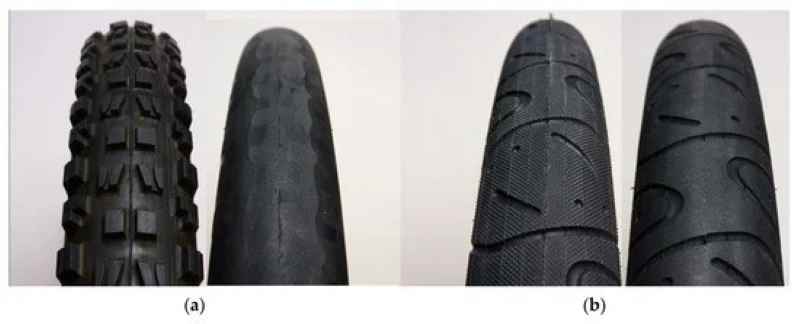
- Traction (Grip): Properly inflated tires conform to the trail, providing maximum contact and grip. Underinflated tires can squirm and lose traction, while overinflated tires bounce and skip over obstacles.
- Comfort: Your tires act as suspension. Too much air makes for a harsh ride, while too little air can lead to rim damage and pinch flats (where the tube gets pinched between the rim and an obstacle).
- Rolling Resistance: The right pressure minimizes rolling resistance, making pedaling easier and conserving energy.
- Puncture Resistance: While underinflated tires are more susceptible to pinch flats, overinflated tires can be more prone to punctures from sharp objects.
Read Also: What are the Best Bicycle Brands: Top Picks for Quality Bikes!
Finding Your Ideal Pressure
There’s no one-size-fits-all answer to the question of “What PSI should my mountain bike tires be?” The ideal pressure depends on several factors:
- Rider Weight: Heavier riders need slightly higher pressures to support their weight and prevent rim damage.
- Terrain: Rocky trails may require slightly lower pressures for better grip and impact absorption, while smoother trails might benefit from slightly higher pressures for better rolling resistance.
- Tire Size and Type: Wider tires generally run at lower pressures, while narrower tires need higher pressures. Tire casing (the structural layer within the tire) also influences ideal pressure.
- Riding Style: Aggressive riders might prefer slightly lower pressures for maximum grip, while cross-country riders might opt for slightly higher pressures for better efficiency.
Checking and Adjusting Tire Pressure
You’ll need a good quality floor pump with a pressure gauge. Most mountain bike tires have the recommended pressure range printed on the sidewall. Here’s how to adjust your pressure:
- Remove the Valve Cap: Unscrew the valve cap (usually black plastic).
- Check the Pressure: Press the gauge firmly onto the valve. You’ll hear a hiss of air, and the gauge will display the pressure.
- Add or Remove Air: If the pressure is low, use the pump to add air. If it’s high, press the pin on the valve stem to release air slowly. Check frequently until you reach the desired pressure.
- Replace the Valve Cap: Screw the valve cap back on to protect the valve stem.
Tubeless vs. Tubed Tires
Many modern mountain bikes use tubeless tires. These tires don’t have an inner tube and instead rely on sealant to seal punctures and maintain air pressure. Tubeless setups allow you to run lower pressures for better grip and are less prone to pinch flats. If you’re not familiar with tubeless setups, consider consulting a bike shop for help.
Experiment and Find Your Sweet Spot
Finding your ideal tire pressure is often a matter of experimentation. Start with the manufacturer’s recommended pressure range and adjust it based on your experience on the trail. Pay attention to how your bike handles, how much grip you have, and how comfortable the ride feels.
Additional Tips
- Check Pressure Regularly: Tire pressure naturally decreases over time, so check it before every ride.
- Carry a Pump or CO2 Inflator: Be prepared for punctures on the trail.
- Use Tire Inserts: Tire inserts can provide extra puncture protection and rim support for aggressive riders.
- Consider a Digital Gauge: Digital gauges are often more accurate than analog ones.
By mastering the art of tire inflation, you’ll unlock the full potential of your mountain bike and enjoy a more confident and enjoyable ride.