

California isn’t just a place to live; it’s a way of life. From sunrise hikes in Malibu to boardroom meetings in San Francisco and beachside dinners in Santa Monica, your daily routine demands gear that keeps up. A standard fitness tracker often falls short, and a traditional luxury watch can’t log your sleep or navigate traffic. You need a device that bridges the gap between high-end aesthetics and cutting-edge technology. Finding the right premium smartwatch for this unique balance can feel overwhelming with so many options on the market. This guide breaks down exactly what to look for, which features actually matter, and how to choose a timepiece that fits your specific California routine without sacrificing style or function.
What Defines a Premium Smartwatch for the California Lifestyle?
A premium smartwatch goes beyond basic notifications and step counting. It combines durable materials, advanced health sensors, and a design that transitions seamlessly from the trail to the dinner table. In California, the definition leans heavily on versatility. You need a device that can handle a dusty trail run, track a surf session, and still look appropriate with a blazer. The best options offer sapphire crystal displays, titanium or stainless steel cases, and battery life that lasts through a weekend getaway without needing a charger.
When you start comparing models, you’ll notice that the line between “fitness watch” and “luxury accessory” is blurring. Brands are now offering high-end finishes on devices packed with medical-grade sensors. This convergence is what makes the current market so exciting for consumers. You are no longer forced to choose between a beautiful mechanical watch and a functional smartwatch. You can have both in one package, provided you prioritize the right specifications.
Key Materials and Build Quality
The materials determine both durability and aesthetic appeal. Titanium is a favorite for its lightweight strength and hypoallergenic properties, making it ideal for all-day wear. Stainless steel offers a classic, polished look that shines in professional settings. For the glass, sapphire crystal is a must. It resists scratches far better than standard Gorilla Glass, ensuring your investment looks new for years. Look for a watch with an OLED or AMOLED display for vibrant colors and excellent outdoor visibility, which is crucial under the bright California sun.
Battery Life Expectations
Battery life is a major pain point for smartwatch users. While the Apple Watch Ultra offers up to 36 hours, competitors like Garmin push beyond a week on a single charge. Your choice depends on your charging habits. If you are used to charging your phone every night, a daily watch charge might not bother you. However, if you plan on multi-day backpacking trips or simply hate cable clutter, a long-lasting battery is a non-negotiable feature. Consider how often you want to interact with a charger before making a decision.
Why Versatility Matters More Than Raw Specs
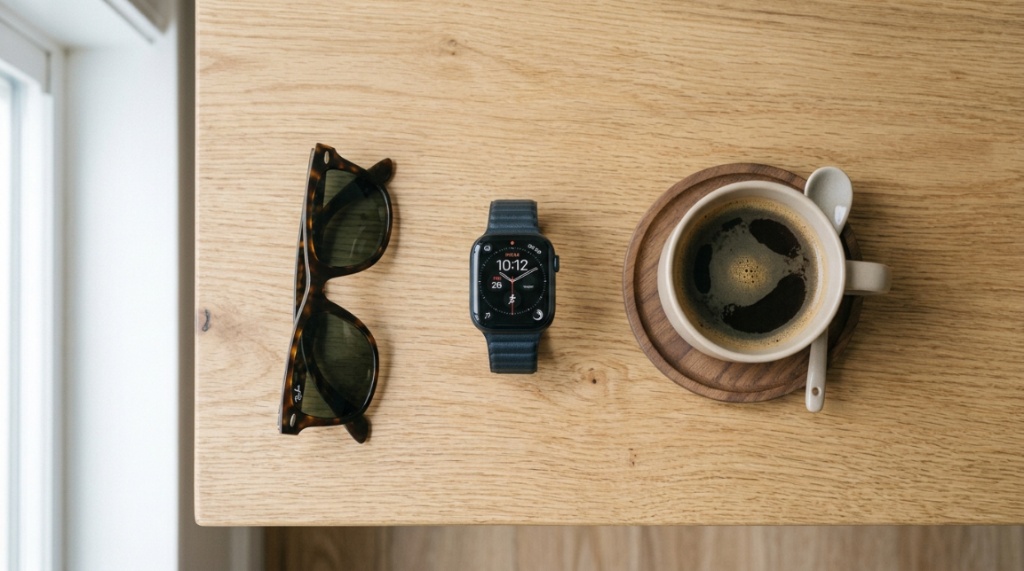
In California, your watch needs to be a chameleon. It must look appropriate in a yoga studio, a tech office, and a coastal restaurant. This versatility is often overlooked in spec sheets. A watch that screams “tactical” might be great for hiking but looks out of place at a wedding. Conversely, a dressy watch with a leather band will not survive a dip in the ocean. You need a device that offers interchangeable bands and a customizable watch face to match your daily context.
The ability to swap bands quickly is a game-changer. A titanium case with a silicone sport band works for your morning run. Swap it to a leather or metal link band for an evening event, and the same watch transforms into a sophisticated accessory. This flexibility is the core of the premium smartwatches California lifestyle demands. It reduces the need to own multiple watches and ensures you always have the right tool for the moment.
Activity Tracking for Diverse Terrain
California offers an incredible range of outdoor activities, from snowboarding in Tahoe to surfing in San Diego. Your watch should have specific modes for these activities, not just generic “workout” tracking. Look for built-in GPS that connects to multiple satellite systems (GPS, GLONASS, Galileo) for accurate tracking in canyons or dense forests. Altimeters and barometers are essential for hiking, while water resistance ratings of at least 10 ATM are necessary for swimming and snorkeling.
Health and Wellness Integration
Health tracking has evolved beyond heart rate. Modern premium watches include ECG (electrocardiogram) apps, blood oxygen monitoring, and skin temperature sensors. These features are not just gimmicks; they provide valuable data that can help you understand your recovery and stress levels. For the health-conscious Californian, this data is a daily tool for optimizing performance. It helps you decide whether to push hard in a workout or take a rest day based on your body’s actual signals.
How to Choose Between Major Smartwatch Ecosystems
Your choice of smartphone heavily influences your smartwatch options. The Apple Watch is the obvious choice for iPhone users, offering seamless integration with iMessage, calls, and health data. However, for Android users, the landscape is different. Samsung Galaxy Watches offer a polished experience, while Garmin and other dedicated fitness brands work well with both platforms, though they may sacrifice some smart features like replying to messages. Understanding this ecosystem lock-in is the first step in narrowing down your search.
If you are looking for a device that prioritizes health and outdoor durability over app integration, Garmin is a leader. If you want the best smart features and a vast app store, Apple is the standard. For those who want a round watch face with classic styling and strong battery life, brands like Garmin and Samsung offer compelling alternatives. The decision often comes down to which features you use most: quick messaging or advanced training metrics.
Evaluating the “Luxury” Factor
True luxury is about the details. It is the haptic feedback that feels precise, the smoothness of the digital crown, and the quality of the animations. When you spend more on a premium watch, you are paying for these refinements. Cheaper watches often feel laggy or have weak vibrations that you miss in noisy environments. A premium device should feel responsive and provide subtle, pleasant alerts that do not disrupt your flow. When you are ready to explore the top contenders that balance these high-end features with practical pricing, you can find curated options for premium smartwatches California lifestyle enthusiasts.
Common Mistakes to Avoid When Buying
Many buyers make the mistake of focusing solely on the initial price tag. They buy a cheaper watch, only to find the battery degrades quickly or the screen scratches easily, leading to a replacement within a year. A more expensive model with a sapphire screen and a better battery often provides a lower cost-per-year over its lifespan. Another common error is ignoring the size and weight of the watch. A massive 49mm case might look cool in photos but can be uncomfortable for those with smaller wrists, especially during sleep tracking.
Another pitfall is neglecting the band ecosystem. Proprietary bands can be expensive and hard to find. Before purchasing, check if the watch uses a standard lug width (like 22mm) that allows you to use third-party bands. This simple check can save you a lot of money and give you more style options in the long run. Also, consider the future software support. A premium watch should receive major OS updates for at least three to four years to keep it secure and functional.
Making the Final Decision: A Practical Checklist
Before you click “buy,” take a moment to review your actual needs. Create a checklist based on your weekly routine. If you work out five times a week, prioritize GPS accuracy and heart-rate monitoring. If you travel frequently, look for a watch with a long battery life and built-in maps. If you attend many events, prioritize the design and band options. This practical approach ensures you do not overpay for features you will never use, As students increasingly rely on automated learning solutions, educators are raising important questions about the long-term cognitive consequences and the Risks of Skill Decay from AI-Assisted Homework Tools.
- Battery: Can it last through your longest day or trip?
- Display: Is it bright enough for direct sunlight?
- Durability: Does it have a sapphire lens and a strong case?
- Compatibility: Does it work fully with your smartphone?
- Comfort: Is the weight and size suitable for 24/7 wear?
By answering these questions honestly, you can filter out the noise and focus on the models that genuinely fit your life. Remember that the best watch is the one you actually want to wear every day. If it sits in a drawer because it is uncomfortable or too complicated, it is not a good investment, regardless of its specs.
Frequently Asked Questions
Is a luxury smartwatch worth the higher price?
Yes, if you value durability and longevity. Luxury models typically use higher-grade materials like titanium and sapphire glass, which resist wear and tear better than budget alternatives. They also often have better battery management and receive longer software support, making them a better long-term investment.
Can I wear a premium smartwatch while swimming in the ocean?
Most premium smartwatches have a water resistance rating of 5 ATM or higher, which is suitable for swimming. However, saltwater is corrosive. It is essential to rinse the watch with fresh water after swimming in the ocean to prevent damage to the speaker grills and buttons.
How accurate is the GPS on these high-end watches?
Premium watches use multi-band GPS, which is highly accurate, often within a few meters. This is particularly useful in urban areas with tall buildings or in dense forests where signal reflection can occur. For most recreational athletes, this accuracy is more than sufficient.
Do I need a cellular version of the smartwatch?
Only if you want to leave your phone behind. The cellular version allows you to make calls, stream music, and receive notifications without your phone nearby. This is great for runs or surfing sessions. However, it consumes more battery and requires an additional monthly fee from your carrier.
Can I change the bands on a premium smartwatch?
Yes, most premium smartwatches feature a quick-release mechanism that allows you to swap bands in seconds without tools. This is a key feature for transitioning from a workout to a formal event. Always check the lug width to ensure you have access to a wide variety of third-party bands.
Conclusion
Finding the perfect premium smartwatch for the California lifestyle is about balancing technology with personal style. It is not about buying the most expensive model, but the one that integrates seamlessly into your daily routine. Focus on build quality, battery life, and the specific health metrics that matter to you. Consider how the watch looks with your wardrobe and whether it can keep up with your outdoor adventures. By prioritizing versatility and durability over marketing hype, you can find a device that serves you faithfully for years. Take your time, compare your top choices against your personal checklist, and invest in a timepiece that truly enhances your active, dynamic life.