

In an increasingly digital world, automation setups promise convenience, efficiency, and peace of mind. However, the trade-off for these benefits often involves compromising personal data security. By embracing privacy-centric automation setups, individuals can strike a balance between enjoying technology and safeguarding their sensitive information.
When exploring privacy-first solutions for home automation, platforms like Idealhomesmiami offer insights into secure and innovative ways to protect what matters most. This article delves into the practical ways such setups protect personal data, why they matter, and how you can make informed choices in building a secure ecosystem.
Understanding Privacy-centric Automation Setups
Privacy-centric automation setups focus on protecting user data through end-to-end encryption, local data storage, and strict user access controls. Unlike traditional automation systems that rely heavily on cloud computing, these setups prioritize decentralized data management.
Why Personal Data Needs Special Protection
With data breaches rising, the average cost of a data breach reached $4.45 million in 2023, according to IBM. Automation systems gather data from various devices, including cameras, sensors, and voice assistants, which can be tempting targets for hackers. By implementing privacy-focused measures, you reduce vulnerabilities and maintain control over your information.
Home Automation Meets Home Security: Xfinity vs ADT
When considering privacy-centric setups for home security, comparisons like home security xfinity vs adt become critical. These systems differ in how they manage and protect user data.
Both Xfinity and ADT offer automation-enabled security solutions, but Xfinity’s reliance on cloud processing raises questions about long-term privacy. On the other hand, ADT is exploring localized solutions to reduce data exposure. Choosing the right system requires evaluating features such as encrypted communications, local storage options, and comprehensive user privacy policies.
How Privacy-centric Systems Work
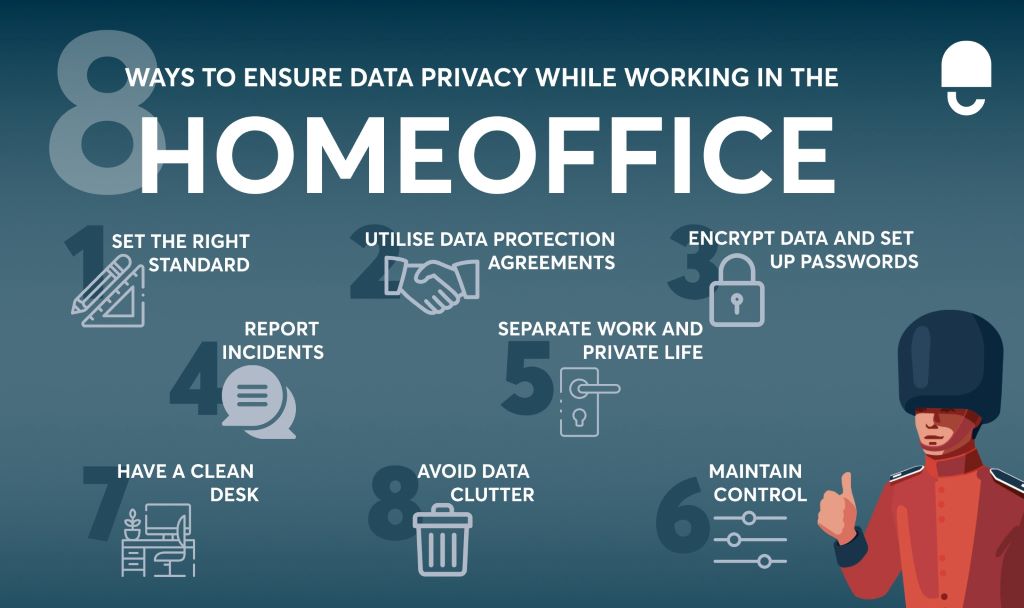
Data Minimization
Privacy-centric systems collect only the data necessary to function, unlike traditional setups that gather excessive user information. For example, smart thermostats can adjust based on occupancy patterns without transmitting detailed usage logs to the cloud.
Local Data Storage
Instead of relying on external servers, privacy-centric devices often store data locally on encrypted hubs or hard drives. This eliminates the risk of data interception during cloud transfers.
End-to-End Encryption
End-to-end encryption ensures that only authorized users can access data. This security measure is pivotal for devices like smart locks or cameras, where breaches could lead to physical vulnerabilities.
The Role of Decentralization in Privacy-centric Automation
Decentralization spreads data storage and processing across multiple devices or nodes, rather than centralizing it in a single system. This approach prevents large-scale breaches and offers resilience in the face of cyberattacks.
Example: Decentralized Smart Home Ecosystems
Brands like Home Assistant and Hubitat offer decentralized automation solutions that prioritize user privacy. These platforms integrate seamlessly with popular devices while keeping sensitive data confined to the user’s home.
Balancing Functionality and Privacy
Common Concerns with Privacy-focused Systems
- Limited Third-party Integrations: While privacy-centric setups offer better security, they might not support all third-party devices.
- Higher Costs: Advanced encryption and local storage may increase initial setup costs.
- Learning Curve: Some privacy-focused systems require technical expertise to configure optimally.
Solutions to Address Challenges
Opt for user-friendly platforms with robust community support, like Apple HomeKit, which provides intuitive interfaces and strong privacy safeguards.
Practical Steps to Build a Privacy-centric Setup
- Invest in Secure Devices
Choose devices that offer local data storage, two-factor authentication, and encryption. Popular choices include Eufy Security cameras and Shelly smart relays. - Control Network Security
Secure your home network with VPNs, strong passwords, and firewall settings. Using dedicated IoT networks can further isolate automation devices from critical systems. - Review Privacy Policies
Examine the data collection practices of manufacturers before purchasing devices. Opt for brands with transparent and privacy-first policies.
Why Trust Matters in Automation Systems
Trust is paramount when adopting automation setups. Users need assurance that companies adhere to ethical data practices and comply with regulations like GDPR or CCPA.
Spotlight on Ethical Companies
Several brands, such as Apple and Signal, are known for prioritizing user privacy. They incorporate privacy-by-design principles, making them trustworthy options for automation setups.
Looking Ahead: Trends in Privacy-first Automation
The demand for privacy-centric solutions is driving innovation across the tech landscape. Emerging trends include:
- Edge Computing: Moving data processing to local devices instead of centralized servers.
- AI-powered Privacy Tools: AI algorithms that anonymize user data in real-time.
- Blockchain for Security: Immutable ledgers ensure tamper-proof records.
How Can Privacy-centric Automation Protect Personal Data?
Privacy-centric automation setups leverage cutting-edge technology to ensure user data stays private and secure. By choosing systems that employ local storage, encryption, and decentralized processing, users gain both convenience and peace of mind.
The Future is Now: How Technology is Revolutionizing Health and Insurance with Ztec100
FAQs
How do privacy-centric automation setups differ from regular systems?
They prioritize user data security through measures like local storage, encryption, and decentralized processing, unlike regular systems that often rely on cloud computing.
What are some examples of privacy-focused automation platforms?
Platforms like Home Assistant, Hubitat, and Apple HomeKit offer robust privacy-focused automation solutions.
Do privacy-centric systems cost more than traditional setups?
While initial costs may be higher due to advanced features, they provide long-term savings by reducing risks of data breaches.
What should I look for when choosing a privacy-centric device?
Focus on features like local storage, encryption, two-factor authentication, and transparent privacy policies.
Can I integrate privacy-centric devices with other smart systems?
Yes, but compatibility varies. Choose platforms with open API support for seamless integration.
Why is decentralization important in automation systems?
Decentralization reduces vulnerabilities by dispersing data storage and processing, preventing large-scale breaches.
You Might Enjoy: Monitor Ports Types: A Comprehensive Guide
Conclusion
Building a privacy-centric automation setup empowers users to enjoy technology without compromising personal data security. By adopting best practices and leveraging trustworthy solutions, individuals can safeguard their digital lives in a rapidly evolving tech landscape.