

Diversity in the judging panel of international fashion awards has become a critical aspect of fostering inclusivity and innovation in the fashion world. A diverse panel not only brings a wealth of perspectives but also ensures that the decisions made are representative of the multifaceted nature of fashion itself. Moreover, with brands like Explore Todaydresses pushing boundaries in design, it’s clear that inclusion drives creativity and progress.
From understanding cultural nuances to representing various demographics, the role of a diverse judging panel cannot be overstated. This article delves deep into why such diversity matters, highlighting its impact, challenges, and the way forward.
Fashion Awards: The Role of Diverse Perspectives
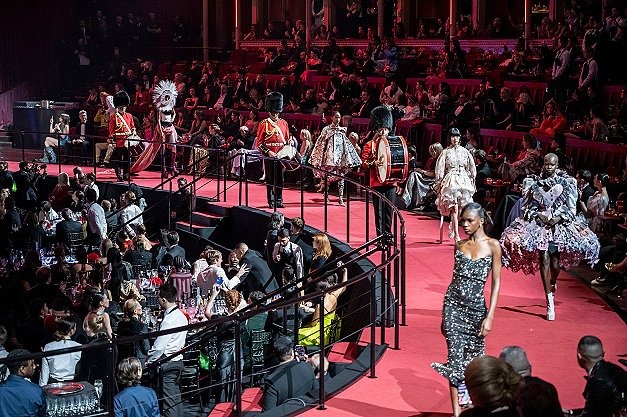
Fashion transcends borders, representing an amalgamation of cultures, histories, and styles. Judging panels in prestigious events should mirror this diversity to make equitable decisions. For example, incorporating judges from different continents can ensure fair representation of fashion trends worldwide.
In recent years, events like the Isis Fashion Awards Models showcased notable diversity, setting an example of inclusivity in participants and decision-makers. Having judges from underrepresented groups also creates an avenue for unique voices and fresh ideas in fashion recognition.
How Diversity Shapes the Fashion Narrative
Broader Cultural Representation
A judging panel featuring experts from various cultural backgrounds ensures that local and indigenous designs gain the recognition they deserve. For instance, traditional African prints or South Asian embroidery techniques might get overlooked without someone who appreciates their cultural significance on the panel.
Encouraging Emerging Talent
Judges from marginalized communities can identify and uplift designers and models from similar backgrounds, leading to greater equity in opportunities. Programs promoting upcoming designers benefit significantly from a judging body that prioritizes inclusivity.
Better Decision-Making
Diversity fosters more robust discussions and prevents the risk of biases dominating outcomes. According to a study by McKinsey, diverse groups are 33% more likely to make better decisions. This insight aligns with the growing calls for more equitable judging practices in global fashion events.
Challenges in Achieving Diversity
Despite its importance, creating a diverse panel comes with hurdles:
- Systemic Bias: Many judging panels are curated from an elite circle of experts, often overlooking capable individuals from diverse backgrounds.
- Logistical Concerns: International representation can be challenging due to differences in languages, time zones, and cultural norms.
- Tokenism: Merely including a few individuals from minority groups without genuine empowerment undermines the goal of diversity.
To overcome these challenges, fashion organizations must adopt proactive measures, such as transparent selection processes and partnerships with global talent networks.
Read More Also: How to Create Custom Lip Gloss Shades at Home
Why Inclusion Should Be a Priority
Fostering Fair Representation
The fashion industry has faced criticism for its lack of inclusivity, from underrepresentation of plus-sized models to ignoring designers of color. A diverse judging panel sends a powerful message of change.
Economic Benefits
Brands that prioritize diversity often see greater profitability. According to the Boston Consulting Group, companies with diverse leadership teams report 19% higher revenue from innovation. This correlation highlights the tangible benefits of inclusivity.
Inspiring the Next Generation
When young designers see judges who reflect their identity, it inspires them to pursue their dreams in an industry that values their perspectives.
Actionable Steps to Ensure Judging Panel Diversity
- Implement Inclusive Policies: Establish clear guidelines for ensuring diversity in judging panels.
- Leverage Technology: Use AI tools to identify potential candidates from diverse backgrounds globally.
- Engage Local Communities: Partner with grassroots organizations to bring lesser-known voices to the forefront.
- Monitor Progress: Set diversity benchmarks and evaluate achievements regularly.
FAQs
What are the benefits of diversity in judging panels?
Diversity ensures fair representation, fosters innovation, and reduces biases in decision-making. It also promotes cultural appreciation and inspires the fashion community at large.
How can international fashion awards improve diversity?
By setting inclusive policies, collaborating with global organizations, and actively seeking judges from underrepresented groups, international fashion awards can improve diversity.
Why is there a push for inclusivity in fashion?
Inclusivity reflects society’s values, broadens creative expression, and enhances brand credibility while ensuring equitable opportunities.
Are there examples of awards with diverse panels?
Yes, events like the Isis Fashion Awards Models have been praised for their inclusivity, featuring a mix of global judges who bring varied expertise.
What are the challenges in implementing diverse panels?
Challenges include overcoming systemic biases, logistical hurdles, and avoiding tokenism while ensuring genuine empowerment of diverse voices.
Can diversity impact the future of fashion?
Absolutely! Diversity drives innovation, broadens market appeal, and sets the stage for a more inclusive, equitable industry that reflects global identities.
Conclusion
Judging panel diversity in international fashion awards is not just a trend; it is a necessity. As the fashion industry evolves, it must embrace inclusivity at every level, from runway models to decision-makers. With deliberate efforts and a commitment to change, diverse judging panels can reshape fashion narratives, celebrating the richness of global talent and culture.


