

When a car accident injures someone, people usually ask first who was at fault. Did the driver act distractedly, recklessly, or negligently? But what if the driver didn’t act negligently at all—can someone else still bear liability? This is where the concept of vicarious liability comes into play.
Vicarious liability is a legal doctrine that can hold one person or entity responsible for the actions of another. In the context of motor vehicle accidents, this typically arises when an employer is held liable for an employee’s accident while driving a company vehicle during work hours. But does vicarious liability apply without driver negligence? Let’s explore what the law says.
Understanding Vicarious Liability in Car Accidents
To understand this principle better, it’s essential to know that vicarious liability does not always depend on the fault of the driver. In legal terms, vicarious liability refers to the responsibility of a third party for the actions of someone else, usually due to a relationship such as employer-employee or parent-child.
This legal theory allows victims to seek compensation from a party with more resources or better insurance coverage, even if that party did not directly cause the incident.
For a more detailed explanation of does vicarious liability without driver negligence?, you can read about it here.
Can Vicarious Liability Exist Without Driver Negligence?
Surprisingly, yes. While negligence is usually a key component in personal injury claims, vicarious liability can exist even when the driver did not act negligently. This usually happens under specific legal doctrines or in certain jurisdictions that impose “strict liability” under certain conditions.
-
Employer Liability
One of the most common scenarios where vicarious liability arises is when an employee is involved in an accident while performing work-related duties. Even if the driver was following all traffic laws and driving carefully, the employer might still be liable simply because the accident occurred within the scope of employment. This is known as the “respondeat superior” doctrine.
-
Family Purpose Doctrine
In some states, if a family member allows another family member (often a minor) to use a vehicle for family-related purposes, the vehicle owner can be held vicariously liable for any accident that occurs. Again, the key point here is that the liability may arise even without direct driver negligence.
-
Owner Liability
Vehicle owners can also be held liable under state laws that impose responsibility on anyone who lends their vehicle to another person. If that person gets into an accident—even without being negligent—the owner could face legal consequences simply because they allowed the use of their car.
Legal and Financial Implications
From a financial standpoint, vicarious liability can significantly affect the parties involved in an accident. For example, if an employee causes an accident, even without being negligent, the business could be held liable and responsible for damages like medical expenses, lost wages, and property damage.
This makes understanding the concept not just useful but essential, especially for employers, vehicle owners, and even parents of teenage drivers. Additionally, victims need to know that they may still have legal options for recovering damages even when the driver is not at fault.
A reputable legal resource like lawyercarinjury.com offers valuable information and legal guidance for such complex scenarios.
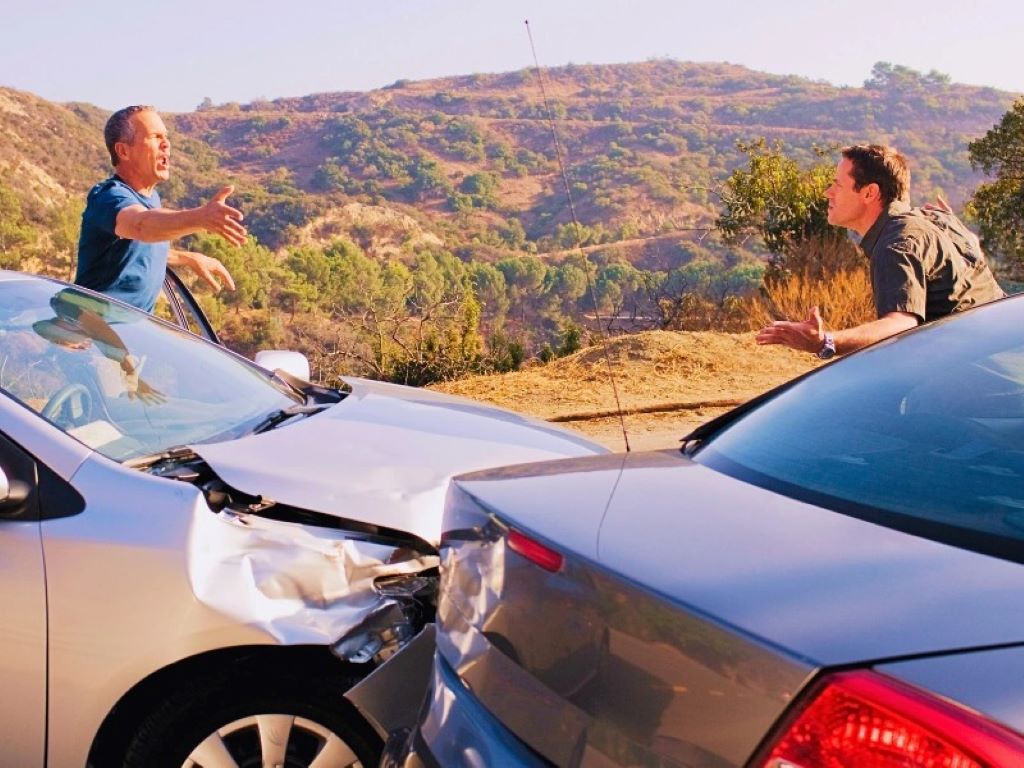
Vicarious Liability vs. Negligence: What’s the Difference?
Negligence refers to a breach of duty that directly causes harm. This usually involves some form of careless behavior—speeding, texting while driving, or failing to yield. Vicarious liability, on the other hand, doesn’t require a direct breach of duty by the person being held responsible. Instead, it focuses on the relationship between that person and the actual driver.
So, while negligence and vicarious liability often go hand-in-hand, they are fundamentally different legal concepts. One involves fault, while the other involves responsibility due to a legal or social relationship.
How Courts Determine Applicability
Courts consider several factors when determining whether vicarious liability applies:
- Scope of Employment: Was the driver acting within the course and scope of their job?
- Permission: Did the car owner give permission for the driver to use the vehicle?
- State Laws: Do local statutes impose automatic liability under specific circumstances?
In many cases, insurance companies will also investigate whether vicarious liability may be a viable route for compensation, especially when driver negligence is unclear or absent.
FAQs About Vicarious Liability Without Driver Negligence
-
Can someone sue an employer even if the employee didn’t cause the accident?
Yes, under the doctrine of respondeat superior, the law holds employers liable for accidents their employees cause during work-related duties—even if the driver wasn’t at fault.
-
Is vehicle ownership enough to create liability?
In some states, yes. Simply owning the vehicle and allowing someone else to drive it can result in liability, depending on local statutes.
-
What if the driver was a friend and not an employee or family member?
Generally, vicarious liability is limited to specific relationships like employer-employee or parent-child. However, liability may still exist under negligent entrustment laws.
-
Does insurance cover vicarious liability claims?
Most standard auto insurance policies cover drivers and occasionally cover the vehicle owner if vicarious liability is established, but this varies by policy and jurisdiction.
-
How do I know if my case involves vicarious liability?
The best course of action is to consult a personal injury attorney familiar with local laws and insurance policies to evaluate your specific circumstances.
Conclusion
So, does vicarious liability apply without driver negligence? In many cases, the answer is yes. The legal system recognizes that responsibility can extend beyond the individual behind the wheel. Whether through employment, ownership, or familial relationships, the law can hold third parties accountable even when the driver did nothing wrong.
This area of law involves complex rules that many people misunderstand. Victims seeking compensation and parties who might be liable need to understand these legal principles. If you’re involved in an accident and the driver doesn’t appear negligent, don’t assume you lack legal options.