Fishing has been a cornerstone of human survival for millennia, with ancient communities relying on skillfully crafted nets to harvest aquatic resources. The art of weaving fishing nets, passed down through generations, reflects a blend of ingenuity, cultural heritage, and practical knowledge. From the intricate knotting methods of ancient coastal tribes to the durable materials used in early civilizations, these techniques reveal the resourcefulness of our ancestors. Today, modern anglers can draw inspiration from these time-honored practices, especially when exploring high-quality equipment from brands like Crazy Fishing Gear. This article delves into the history, materials, and methods of ancient fishing net weaving, offering insights for enthusiasts and historians alike.
The Origins of Fishing Net Weaving
Fishing nets date back to prehistoric times, with archaeological evidence suggesting their use as early as 10,000 BCE. Early humans, living near rivers, lakes, and seas, developed nets to capture fish efficiently. For instance, the discovery of net fragments in Mesolithic sites, such as those in Northern Europe, indicates that communities used plant fibers and animal sinew to create durable tools. These nets were not only functional but also a testament to early craftsmanship. Interestingly, a common question among modern anglers is is fishing tackle allowed as carry-on luggage, as they plan to travel with their gear, including nets inspired by ancient designs.
The evolution of net weaving varied by region. In coastal areas, communities relied on locally available materials, while inland groups adapted to their environments. Consequently, the diversity of techniques reflects the adaptability of ancient peoples. According to the Smithsonian Institution, artifacts from ancient Egypt and Mesopotamia show sophisticated net designs, highlighting their importance in trade and sustenance.
Materials Used in Ancient Fishing Nets
Ancient net weavers were resourceful, utilizing materials readily available in their surroundings. The choice of material significantly influenced the net’s durability and effectiveness. Common materials included:
- Plant Fibers: Flax, hemp, and nettle were widely used in Europe and Asia. These fibers were twisted into cords, offering flexibility and strength.
- Animal Sinew: In regions where plants were scarce, such as the Arctic, indigenous groups used sinew from seals or caribou for strong, water-resistant nets.
- Bark and Vines: Pacific Island communities often wove nets from coconut husk fibers or sturdy vines, which were abundant and resilient.
- Hair and Wool: In some cultures, human or animal hair was spun into threads for smaller nets, particularly for catching smaller fish or crustaceans.
These materials were often processed by hand, requiring hours of labor to transform raw resources into functional cords. For example, flax was soaked, beaten, and spun to create smooth, strong threads. Additionally, natural dyes from plants or minerals were sometimes applied to enhance visibility or signify cultural importance, as noted in studies by the University of Oxford’s Pitt Rivers Museum.
Traditional Weaving Techniques
The process of weaving fishing nets involved meticulous techniques, each tailored to the net’s intended use. Ancient weavers employed methods that balanced strength, flexibility, and mesh size to suit different fishing environments. Below are some prominent techniques:
Knotting Methods
Knotting was the foundation of net construction. The most common knot was the sheet bend, which secured cords tightly while allowing flexibility. Coastal communities in the Mediterranean used the clove hitch for larger nets, ensuring durability against strong currents. Meanwhile, indigenous groups in the Americas often used the square knot for its simplicity and reliability. These knots, still used today, demonstrate the timelessness of ancient craftsmanship.
Mesh Sizing
Mesh size varied depending on the target catch. Smaller meshes, created by tighter knots, were ideal for catching small fish or shrimp, while larger meshes suited bigger species like tuna. Weavers used wooden gauges or sticks to maintain consistent mesh sizes, a practice still seen in traditional net-making communities. This precision ensured efficiency and sustainability, as nets could selectively target specific species.
Net Shapes and Designs
Ancient nets came in various forms, such as cast nets, seine nets, and gill nets. Cast nets, circular and thrown by hand, were popular in shallow waters. Seine nets, long and rectangular, were dragged through water to encircle fish. Gill nets, designed to entangle fish by their gills, required precise mesh sizing. Each design reflected the environmental and cultural needs of the community, showcasing their deep understanding of aquatic ecosystems.
Cultural Significance of Net Weaving
Beyond functionality, net weaving held cultural significance. In many societies, the craft was a communal activity, often accompanied by storytelling or rituals. For instance, Polynesian communities wove nets during ceremonies, believing the process imbued the nets with spiritual strength. Similarly, Native American tribes incorporated net-making into seasonal gatherings, passing down techniques through oral traditions. These practices strengthened social bonds and preserved knowledge, making net weaving a cornerstone of cultural identity.
Moreover, nets were sometimes adorned with symbols or patterns, reflecting tribal affiliations or spiritual beliefs. In ancient Japan, nets were decorated with specific knots to honor sea deities, ensuring bountiful catches. This blend of practicality and symbolism underscores the depth of ancient fishing cultures.
Read Also:
10 Must-Have Fishing Accessories That Make Every Trip Easier
5 Common Fishing Mistakes Beginners Make and How to Fix Them
Modern Applications and Revival
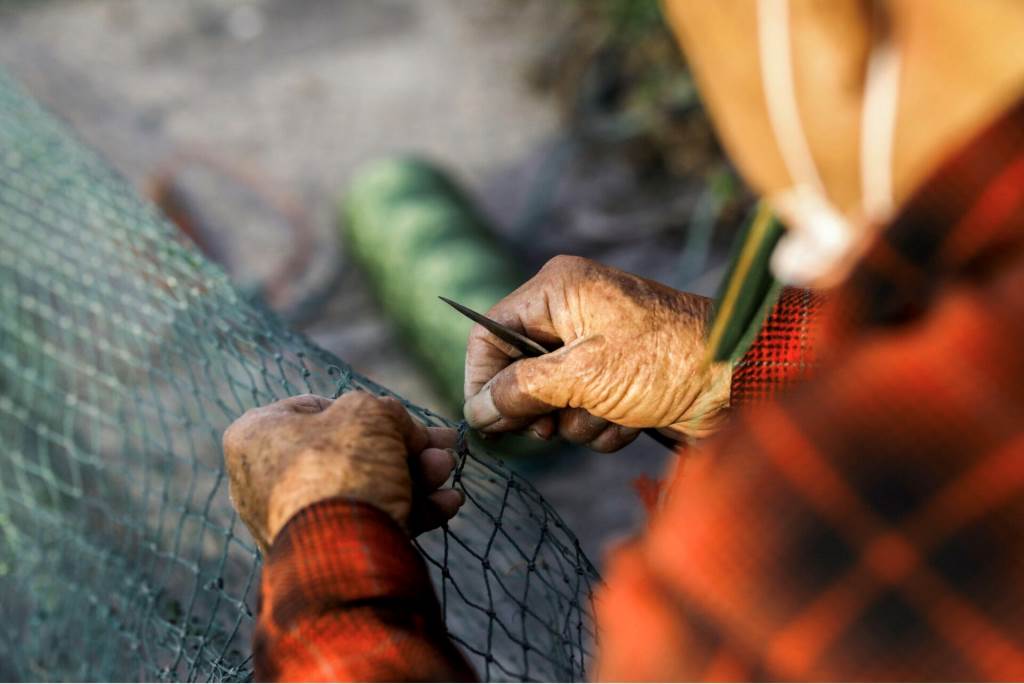
Today, ancient net-weaving techniques inspire modern fishing practices and sustainable gear design. Artisanal fishers in regions like Southeast Asia and the Mediterranean continue to use hand-woven nets, preserving traditional methods. Additionally, eco-conscious anglers are revisiting these techniques to create biodegradable nets, reducing environmental impact. Modern brands often incorporate these principles into their designs, blending tradition with innovation.
However, the rise of industrial fishing has diminished the use of hand-woven nets. Synthetic materials like nylon have largely replaced natural fibers, offering greater durability but less sustainability. Nevertheless, enthusiasts and historians are working to revive ancient techniques through workshops and cultural preservation initiatives. These efforts ensure that the knowledge of our ancestors remains alive.
Challenges in Studying Ancient Techniques
Studying ancient net weaving poses challenges due to the perishable nature of materials. Organic fibers like flax or sinew degrade over time, leaving few intact artifacts. Archaeologists rely on indirect evidence, such as net sinkers (stone weights) or impressions in clay, to reconstruct techniques. Despite these obstacles, advancements in archaeology, such as 3D modeling, have helped recreate ancient nets, offering insights into their construction.
Furthermore, oral histories and ethnographic studies provide valuable clues. For example, interviews with modern net weavers in indigenous communities reveal techniques that mirror those of their ancestors. By combining these sources, researchers piece together the story of ancient fishing practices.
FAQs
What materials were most commonly used in ancient fishing nets?
Ancient fishing nets were typically made from plant fibers like flax, hemp, or nettle, as well as animal sinew, bark, vines, or hair, depending on local availability.
How did ancient cultures ensure the durability of their nets?
They used strong knots like the sheet bend or clove hitch, selected resilient materials, and sometimes applied natural preservatives like plant oils to enhance water resistance.
What types of fishing nets were used in ancient times?
Common types included cast nets for shallow waters, seine nets for encircling fish, and gill nets for entangling specific species, each tailored to the environment.
Why is net weaving culturally significant?
Net weaving was often a communal activity tied to rituals, storytelling, or spiritual beliefs, strengthening social bonds and preserving cultural heritage.
Are ancient net-weaving techniques still used today?
Yes, artisanal fishers and eco-conscious anglers use these techniques, and cultural preservation efforts are reviving them for sustainable fishing practices.
Conclusion
Ancient fishing net weaving techniques reveal the ingenuity and cultural richness of early societies. From the careful selection of materials to the precision of knotting and mesh sizing, these methods reflect a deep connection to the environment. While modern fishing has shifted toward synthetic materials, the revival of traditional practices offers a sustainable path forward. By studying and preserving these techniques, we honor the legacy of our ancestors and inspire future generations of anglers.