

Imagine a young child eagerly unwrapping their first fishing reel, eyes wide with excitement. Yet, frustration hits when sharp plastic edges cut fingers or cardboard crumbles under tiny hands. This common scene highlights why choosing the right packaging matters for beginners. Box and clam reels refer to how fishing reels come packaged—box in sturdy cardboard, clam in clear plastic shells. Both protect lightweight fishing reels, but they differ in usability and appeal. For instance, according to the Recreational Boating & Fishing Foundation’s 2025 Special Report on Fishing, 7.5 million kids aged 6-12 participated in fishing last year. Moreover, 85% of adult anglers started before age 12. These stats show early experiences shape lifelong passions. So, let’s explore which packaging suits kids and new anglers best. Check this detailed comparison of lightweight fishing reel options to get started right.
Understanding Box Reel Packaging
Box packaging wraps fishing reels in traditional cardboard containers. Manufacturers design these boxes with internal foam or plastic inserts. These hold the reel securely during shipping.
First, consider the structure. Boxes often feature printed graphics and instructions on the outside. Inside, compartments separate the reel, handle, and manual. This setup prevents parts from shifting.
Next, think about durability. Cardboard resists impacts better than many alternatives. It absorbs shocks from drops or bumps. As a result, reels arrive in top condition.
Additionally, boxes promote branding. Companies add logos and details easily. Anglers appreciate this for quick identification.
However, boxes lack visibility. You must open them to see the reel fully. Despite this, many prefer the surprise element.
In short, box packaging emphasizes protection and organization. It appeals to those who value straightforward handling.
Exploring Clam Reel Packaging
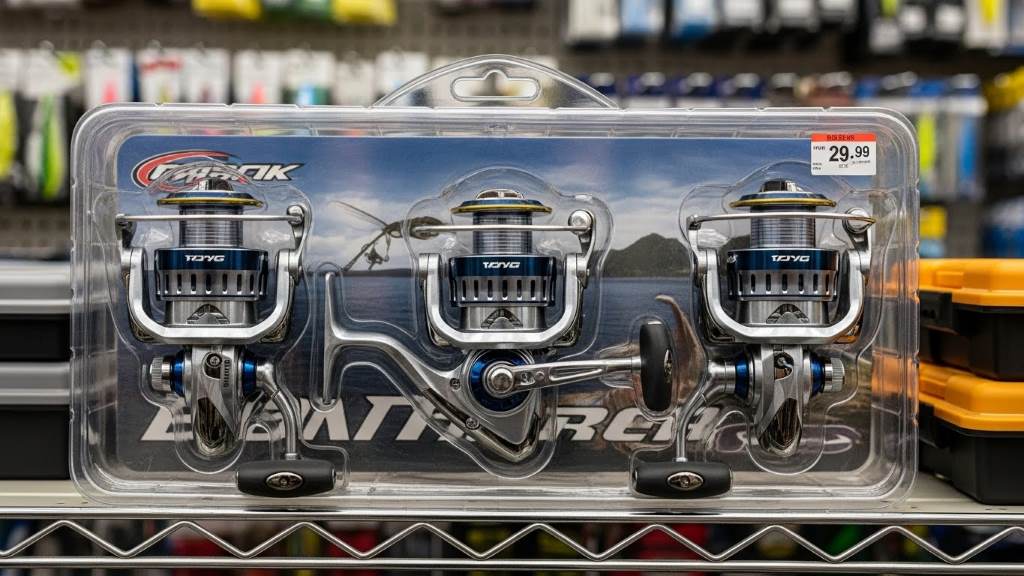
Clam packaging uses clear plastic shells that snap together like a clamshell. These molds fit the reel’s shape precisely. Often, a cardboard backing adds stability.
To begin with, visibility stands out. Shoppers view the reel from all angles without opening. This helps in stores where touch is limited.
Furthermore, clam shells guard against dust and scratches. The plastic barrier keeps surfaces pristine. Consequently, reels look new longer.
On the flip side, opening poses challenges. Edges can be sharp, requiring scissors or knives. This leads to what experts call “wrap rage.”
Nevertheless, retail displays favor clams. They hang easily on hooks, saving shelf space. Retailers stock more items this way.
Overall, clam packaging prioritizes display and protection. It suits visual shoppers but demands careful handling.
Key Differences Between Box and Clam Reels
Box and clam packaging differ in several core areas. Let’s break them down step by step.
Visibility marks the first contrast. Clam shells let you inspect the reel instantly. In contrast, boxes hide contents until unpacked.
Protection varies too. Boxes excel at cushioning heavy impacts. Meanwhile, clams prevent minor dings and moisture.
Unboxing experience shifts dramatically. Boxes open smoothly with tabs or flaps. However, clams often frustrate with tough seals.
Storage comes next. Boxes stack neatly and reuse well. Clams, once opened, become bulky waste.
Environmental factors play a role. Cardboard recycles easily in most areas. Plastic clams face recycling hurdles, per EPA guidelines.
Retail appeal differs as well. Clams shine in hanging setups. Boxes fit shelves better.
In essence, these differences guide choices based on needs. Consider your fishing style when deciding.
Pros and Cons of Box Reel Packaging
Box packaging brings several advantages. It offers strong protection during transit. Reels stay safe from rough handling.
Moreover, organization thrives here. Inserts keep accessories tidy. You find everything quickly.
Ease of opening adds appeal. No tools needed most times. This saves effort and reduces injury risk.
Reusability stands out too. Boxes store gear long-term. They double as organizers in garages.
Eco-friendliness boosts its case. Cardboard breaks down naturally. Recycling programs accept it widely.
But drawbacks exist. Lack of visibility frustrates some buyers. You can’t check details pre-purchase.
Bulkiness hinders storage in tight spaces. Larger boxes take more room.
Despite these, pros often outweigh cons for practical users.
Pros and Cons of Clam Reel Packaging
Clam packaging excels in visibility. Buyers see the product clearly. This builds trust in quality.
Surface protection ranks high. Plastic shields from scratches effectively. Reels maintain shine.
Tamper evidence reassures. Seals show if opened before. This prevents returns of used items.
Display efficiency helps retailers. Hanging options maximize space. More variety fits stores.
However, opening difficulties annoy many. Sharp edges pose cut risks. Tools become necessary.
Environmental concerns loom large. Plastic persists in landfills. Recycling varies by region.
Post-use storage falters. Opened clams clutter spaces. They rarely reuse well.
Still, for in-store shopping, benefits shine through.
Why Packaging Matters for Kids Starting Fishing
Kids approach fishing with wonder and impatience. Packaging influences their first impressions greatly.
First, safety tops the list. Sharp clam edges can injure small fingers. Boxes minimize this risk.
Ease of access follows. Simple box openings let kids unpack independently. This builds confidence.
Organization teaches responsibility. Boxes with compartments show how to store gear. Kids learn habits early.
Excitement builds through unboxing. Boxes feel like gifts. They enhance the joy of new gear.
Environmental lessons integrate too. Recyclable boxes spark talks on sustainability. Kids grasp eco-importance.
In turn, positive experiences encourage repeat outings. Proper packaging fosters lifelong anglers.
Best Features for New Anglers in Box Packaging
New anglers benefit from box packaging’s reliability. Sturdy builds protect investments during learning phases.
Structured interiors aid setup. Manuals and tools stay accessible. Beginners follow instructions easily.
Stackable designs organize growing collections. As skills advance, gear accumulates neatly.
Reusability supports budget-savvy starts. Boxes repurpose for lures or lines.
Moreover, premium feel motivates practice. Newcomers feel professional from day one.
Transitioning to advanced gear becomes smoother. Familiar packaging eases upgrades.
Ultimately, boxes build a solid foundation. They support growth without complications.
Advantages of Clam Packaging for Beginners
Beginners value clam packaging’s transparency. Visual checks confirm size and style pre-buy.
In-store decisions speed up. No guessing about fit for rods.
Protection against shop wear keeps reels fresh. Dust-free arrivals impress.
However, pair with caution for kids. Supervise openings to avoid mishaps.
For solo learners, visibility aids comparisons. Spot features like drag systems quickly.
Yet, weigh against storage needs. Plan for disposal post-unpack.
In summary, clams suit visual learners. They simplify initial selections.
Related: Ancient Fishing Net Weaving Techniques: A Journey Through Time
How to Choose Between Box and Clam for Young Anglers
Selecting packaging starts with user age. Younger kids favor boxes for safety.
Consider shopping method next. Online buyers prefer boxes for protection.
In-store shoppers lean toward clams for inspection.
Think about storage space. Limited areas suit compact boxes.
Eco-preferences guide too. Green families choose recyclable options.
Assess unboxing skills. Beginners need frustration-free starts.
Finally, match to fishing type. Casual trips work with either.
By evaluating these, you pick wisely. Happy fishing follows.
Factors to Consider
- Age and dexterity of the angler
- Purchase location: online or retail
- Long-term storage plans
- Environmental priorities
- Desired unboxing experience
Real-Life Examples from Anglers
Take Sarah, a mom introducing her 8-year-old to fishing. She chose box packaging. The easy open excited her son. He organized parts himself.
In contrast, Mike, a beginner adult, picked clam. Store visibility helped him match to his rod. But opening frustrated him initially.
Another case: Youth group leaders buy in bulk. Boxes stack efficiently for transport. Kids unpack safely during outings.
From forums like BassResource, users share similar stories. Many praise boxes for durability.
These examples show practical impacts. Packaging shapes experiences beyond the reel.
Environmental Considerations in Reel Packaging
Sustainability matters in today’s fishing world. Box packaging leads here.
Cardboard sources from renewable trees. It recycles at 90% rates, per EPA data.
Clam plastic uses petroleum. Recycling hits only 30% for PET types.
Life cycle assessments reveal differences. Paperboard emits less greenhouse gases overall.
However, plastic protects better in wet conditions. Balance needs accordingly.
Anglers can recycle properly. Check local programs for guidance.
Choosing eco-options supports clean waters. Healthy habitats benefit fish populations.
Transition to sustainable practices grows. Brands innovate with recycled materials.
Trends in Fishing Gear Packaging for 2025
2025 sees shifts toward hybrids. Boxes with clear windows combine benefits.
Minimalist designs reduce waste. Less material means lighter shipping.
Bio-based plastics emerge for clams. They degrade faster than traditional.
Digital labels replace prints. QR codes link to manuals online.
Consumer demands drive changes. Surveys show 70% prefer eco-packaging.
Brands respond with certifications. Look for FSC on boxes.
These trends enhance choices. Beginners access better options yearly.
Tips for Unboxing and Setting Up Your Reel
Start with a clean workspace. Lay out tools like scissors.
For boxes, lift flaps gently. Remove inserts carefully.
Clams require cuts along edges. Avoid reel contact.
Inspect parts immediately. Check for damage.
Attach handle per manual. Test drag settings.
Spool line next. Follow guides evenly.
Practice casting in open areas. Adjust as needed.
Store packaging if reusable. Label for organization.
These steps ensure smooth starts. Enjoy the water sooner.
Step-by-Step Setup Guide
- Unpack all components.
- Read the manual thoroughly.
- Assemble handle and spool.
- Thread line through guides.
- Tie on lure or bait.
- Test reel action.
Common Mistakes to Avoid with New Reels
Don’t rush unboxing. Haste causes drops or cuts.
Avoid ignoring manuals. They prevent setup errors.
Never store wet gear in packaging. Mold risks rise.
Steer clear of forcing parts. Damage occurs easily.
Refrain from discarding useful inserts. They protect during travel.
By sidestepping these, longevity improves. Gear serves longer.
Enhancing the Fishing Experience for Kids
Make unboxing a family event. Share stories from your youth.
Pair with simple rods. Balance setups for easy casts.
Choose kid-friendly spots. Calm ponds build success.
Celebrate first catches. Photos capture memories.
Encourage questions. Learning deepens bonds.
These actions turn fishing into adventures. Kids return eagerly.
Conclusion
Box and clam reel packaging each offer unique perks for kids and new anglers. Boxes shine in protection, ease, and eco-friendliness. Clams provide visibility and retail appeal. Differences in unboxing, storage, and impact guide your pick. Remember, 85% of anglers start young, per recent reports. Choose based on safety and simplicity to spark passions. Now, grab your gear and head to the water. Start creating memories today—what’s your first fishing spot?
FAQs
What Makes Box Packaging Better for Kids?
Box packaging reduces injury risks with smooth openings. It teaches organization through compartments. Kids handle it independently, building confidence.
Is Clam Packaging More Secure for Shipping?
Clam packaging protects surfaces well but may crack under heavy impacts. Boxes absorb shocks better overall. Consider transit needs when choosing.
How Does Packaging Affect Reel Performance?
Packaging doesn’t impact reel function directly. It safeguards during delivery and storage. Focus on reel specs for performance.
Can I Reuse Clam Packaging Effectively?
Opened clam shells store awkwardly due to shapes. They work for temporary holders. Boxes reuse better for long-term organization.
Which Packaging Aligns with Eco-Friendly Fishing?
Box packaging recycles easier as cardboard. It has lower environmental footprints. Choose it for sustainable practices.
References


