

Pillows are essential for a good night’s sleep, but keeping them clean and fresh can be a challenge. Many people wonder about the best way to maintain their pillows without causing damage. At Pillow Show Case, you can find expert advice and high-quality pillows designed for durability and easy care. One common question that arises is whether it’s safe to put pillows in the dryer. This article explores the answer, offering practical tips to ensure your pillows stay clean, fluffy, and long-lasting.
Understanding Pillow Materials and Dryer Safety
Before tossing your pillows into the dryer, it’s crucial to understand the materials they’re made of. Different pillow types—such as feather, down, memory foam, or synthetic—require specific care to avoid damage. For instance, some materials can withstand heat, while others may melt, clump, or lose shape in a dryer.
If you’re wondering, “Can I put pillows in the dryer?” the answer depends on the pillow’s care label. A helpful resource from Pillow Show Case explains that checking the manufacturer’s instructions is the first step. These labels often indicate whether drying is safe and at what temperature. Ignoring these guidelines could ruin your pillow or even damage your dryer.
Which Pillows Can Go in the Dryer?
Not all pillows are dryer-friendly, so let’s break down the most common types and their compatibility.
Feather and Down Pillows
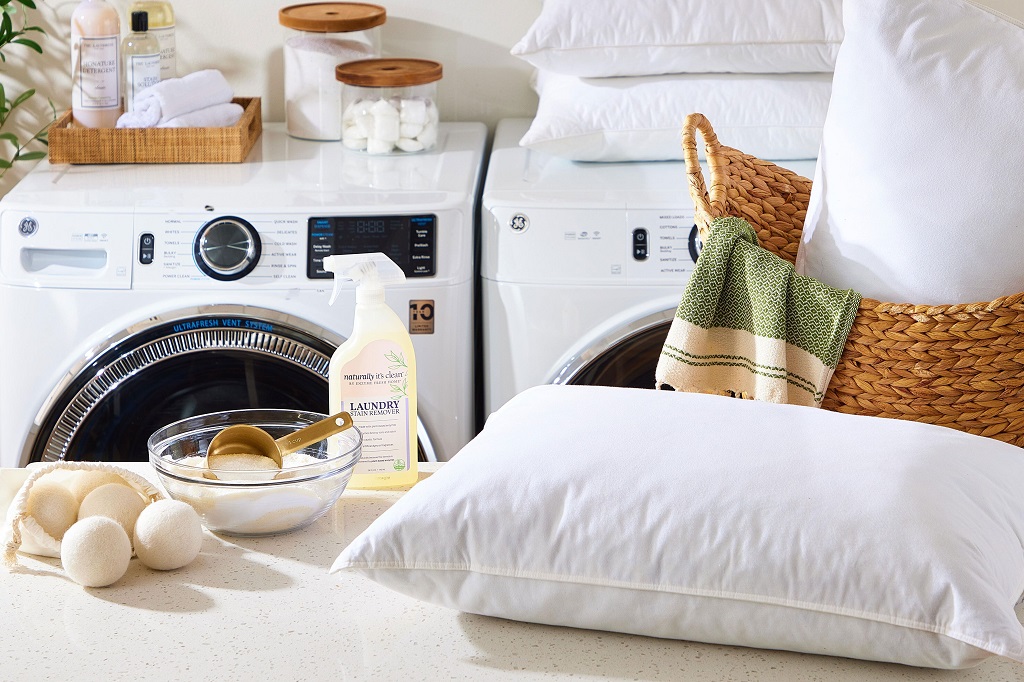
Feather and down pillows are generally safe for the dryer, provided you use low heat or an air-dry setting. These pillows benefit from drying to restore fluffiness, but high heat can damage the delicate feathers. Adding dryer balls or clean tennis balls can help maintain their loft.
Synthetic and Polyester Pillows
Synthetic pillows, such as those filled with polyester, are often dryer-safe on a low or medium heat setting. However, always check the care label, as some synthetic materials may not tolerate heat well. Drying these pillows properly can extend their lifespan and keep them comfortable.
Memory Foam and Latex Pillows
Memory foam and latex pillows should never go in the dryer. The heat can break down the foam, causing it to lose shape or become brittle. Instead, air-dry these pillows in a well-ventilated area to preserve their structure.
How to Safely Dry Pillows in the Dryer
If your pillow is dryer-safe, follow these steps to ensure safe and effective drying. These tips will help maintain the pillow’s quality while keeping your dryer in good condition.
- Check the Care Label: Confirm that the pillow can be dried and note any specific temperature settings.
- Use Low Heat: Opt for a low or no-heat setting to prevent damage to the filling or cover.
- Add Dryer Balls: Include dryer balls or clean tennis balls to help fluff the pillow and prevent clumping.
- Dry in Short Cycles: Run the dryer in 20–30 minute cycles, checking the pillow’s dryness between cycles to avoid overheating.
- Ensure Complete Dryness: Make sure the pillow is fully dry to prevent mold or mildew growth.
By following these steps, you can safely dry your pillows without compromising their quality or comfort.
Alternatives to Drying Pillows in the Dryer
If your pillow isn’t suitable for the dryer or you prefer a gentler method, consider these alternatives.
Air Drying
Air drying is ideal for delicate pillows like memory foam or latex. Place the pillow in a well-ventilated area, preferably in sunlight, to dry naturally. Rotate it occasionally to ensure even drying. This method is safe but may take longer than using a dryer.
Spot Cleaning and Partial Drying
For pillows that only need light cleaning, spot cleaning with a damp cloth and mild detergent can work well. Afterward, allow the pillow to air dry completely. This approach minimizes wear and tear while keeping the pillow fresh.
Professional Cleaning
For specialty pillows or those with stubborn stains, professional cleaning services are a great option. These services have the expertise and equipment to clean and dry pillows without causing damage.
Common Mistakes to Avoid When Drying Pillows
While drying pillows seems straightforward, several common mistakes can lead to damage or reduced pillow lifespan. Here’s what to avoid:
- Using High Heat: Excessive heat can melt synthetic fibers or damage natural fillings like feathers.
- Overloading the Dryer: Drying multiple pillows at once can prevent proper air circulation, leading to uneven drying.
- Ignoring Wet Spots: Failing to ensure the pillow is completely dry can cause mold or unpleasant odors.
- Skipping the Care Label: Not checking the manufacturer’s instructions can result in irreversible damage.
By avoiding these pitfalls, you can keep your pillows in excellent condition for years.
Benefits of Properly Drying Pillows
Properly drying your pillows offers several benefits beyond cleanliness. For example, regular maintenance can extend the pillow’s lifespan, saving you money in the long run. Additionally, a well-dried pillow retains its shape and loft, ensuring continued comfort and support. Finally, drying pillows correctly eliminates allergens like dust mites, which is especially important for people with allergies.
How Often Should You Clean and Dry Pillows?
To keep pillows fresh and hygienic, clean them every 4–6 months. However, this frequency depends on factors like allergies, spills, or pet exposure. For instance, if you have pets that sleep on your bed, you may need to clean pillows more often. Regular washing and drying also help maintain the pillow’s structure and prevent odor buildup.
Tips for Maintaining Pillow Quality
In addition to proper drying, these tips can help you maintain your pillows’ quality over time:
- Use pillow protectors to shield against sweat, oils, and stains.
- Wash pillowcases weekly to reduce dirt buildup.
- Fluff pillows daily to maintain their shape.
- Replace pillows every 1–2 years, depending on wear and material.
By incorporating these habits, you can ensure your pillows remain comfortable and supportive for longer.
Frequently Asked Questions About Drying Pillows
Here are answers to some common questions about drying pillows safely.
Can I put memory foam pillows in the dryer?
No, memory foam pillows should not be placed in the dryer. The heat can damage the foam, causing it to lose shape. Air-dry these pillows instead.
How long does it take to dry a pillow in the dryer?
Drying time varies, but most pillows take 1–2 hours on a low-heat setting. Check periodically to avoid over-drying.
Can I dry pillows with dryer sheets?
Avoid using dryer sheets, as they can leave a residue that affects the pillow’s breathability. Use dryer balls for fluffiness instead.
What happens if I dry a pillow on high heat?
High heat can damage fillings like feathers or synthetic fibers, causing clumping or melting. Always use low heat or air-dry settings.
Can I dry pillows without washing them first?
It’s best to wash pillows before drying to remove dirt and allergens. Drying without washing may set stains or odors.
Read More Also: 5 Trending Home Décor Styles in Colorado Springs 2025
Conclusion
Drying pillows correctly is essential for maintaining their comfort, cleanliness, and longevity. By checking the care label, choosing the right drying method, and avoiding common mistakes, you can keep your pillows in top shape. Whether you opt for a dryer or air-drying, always prioritize the manufacturer’s instructions. With proper care, your pillows will provide restful sleep for years to come. For more tips on pillow maintenance, explore trusted resources like Pillow Show Case to ensure your bedding stays fresh and cozy.