
Piquette wine fizz is capturing attention among wine enthusiasts and casual drinkers alike as a refreshing, sustainable alternative to traditional wines. This ancient beverage is experiencing a modern revival, offering a lighter drinking experience with lower alcohol content and an approachable price point. Beresan Wines and other forward-thinking producers are introducing this historic style to contemporary palates, making it more accessible than ever before.
The resurgence of piquette represents more than just a passing fad. As consumers increasingly seek lighter, more sustainable options, this fizzy beverage fits perfectly into current wine trends that emphasize natural production methods and environmental consciousness. Additionally, piquette’s unique characteristics make it an ideal choice for those looking to enjoy wine culture without the higher alcohol content or premium prices associated with traditional bottles.
Understanding what makes piquette special requires looking at its history, production methods, and the reasons behind its growing popularity. This guide explores everything you need to know about this intriguing beverage that’s making waves in the wine world.
The History Behind Piquette Wine
Piquette has humble origins dating back centuries to wine-producing regions across Europe. French and Italian vineyard workers traditionally created this beverage as a practical solution to minimize waste after the primary winemaking process. Rather than discarding grape pomace—the leftover skins, seeds, and stems after pressing grapes for wine—they added water to this material and allowed it to ferment.
The name “piquette” comes from the French word “piquer,” meaning “to prick” or “to sting,” likely referring to its slightly tart, refreshing character. In Italy, a similar drink is known as “acqua pazza” or “crazy water.” Historically, piquette served as a daily drinking beverage for agricultural workers who needed refreshment without the intoxicating effects of full-strength wine.
For generations, piquette remained a rustic, homemade drink rarely found outside vineyard communities. However, the modern natural wine movement has brought renewed interest to this traditional beverage. Winemakers now recognize piquette as both a sustainable practice and a delicious product worth sharing with a broader audience.
How Piquette Wine Fizz is Made
The production process for piquette is remarkably straightforward compared to conventional winemaking. After grapes are pressed for traditional wine production, the remaining pomace still contains residual sugars, flavors, and yeasts. Winemakers add water to this pomace, typically in equal or greater proportions to the original grape material.
This mixture then undergoes a second fermentation, usually lasting several days to a few weeks. The remaining sugars ferment into alcohol, though at much lower concentrations than traditional wine. Most piquettes contain between 3% to 8% alcohol by volume, comparable to many beers and significantly lower than the 12% to 15% typical of standard wines.
The natural carbonation that develops during fermentation gives piquette its characteristic fizz. Some producers bottle the beverage while fermentation is still active, creating a gently sparkling effect. Others may add a small amount of sugar before bottling to encourage secondary fermentation, similar to the méthode ancestrale used in some sparkling wines.
The entire process exemplifies sustainable winemaking by utilizing what would otherwise be waste material. According to Wine Enthusiast, the growing interest in low-intervention, environmentally conscious beverages has positioned piquette as an appealing option for eco-minded consumers.
Flavor Profile and Characteristics
Piquette wine fizz offers a distinctly different tasting experience compared to traditional wines. The flavor profile tends to be lighter, brighter, and more refreshing, with prominent fruit notes and crisp acidity. Because the grape material has already been pressed once, the resulting beverage is less concentrated but often displays pure, vibrant fruit characteristics.
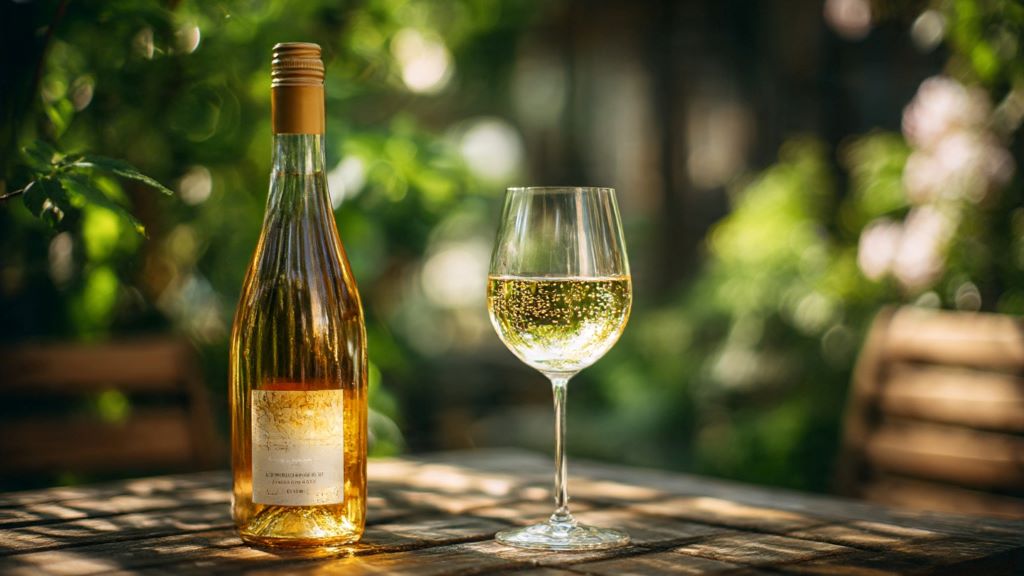
Most piquettes present a pale color, ranging from very light pink to golden yellow, depending on the grape varieties used. The texture is typically light-bodied with gentle effervescence that dances on the palate. The finish tends to be clean and dry, though some versions may retain a slight sweetness.
Tasting notes frequently include citrus, stone fruit, and floral elements, with a refreshing tartness that makes piquette particularly enjoyable as a warm-weather beverage. The lower alcohol content allows the subtle flavors to shine through without being overshadowed by alcoholic heat or heavy tannins.
This approachable flavor profile makes piquette an excellent introduction to wine culture for newcomers. Additionally, experienced wine lovers appreciate its uniqueness and the way it showcases grape character in an entirely different context.
Why Piquette is Gaining Popularity
Several factors contribute to piquette’s rising popularity in today’s beverage landscape. The growing movement toward low-alcohol and no-alcohol options has created demand for sophisticated drinks that offer complexity without high alcohol content. Piquette perfectly fills this niche, providing a wine-like experience that remains sessionable and food-friendly.
Sustainability concerns also drive interest in piquette production. As the wine industry faces increasing scrutiny regarding water usage and waste management, utilizing grape pomace represents a meaningful step toward more responsible production practices. Furthermore, piquette requires less energy and resources to produce compared to traditional wine.
The price point makes piquette accessible to a broader audience. Because it’s made from secondary materials and requires less aging, producers can offer piquette at lower prices than conventional wines. This affordability allows consumers to explore natural, artisanal beverages without significant financial investment.
Health-conscious consumers appreciate the lower calorie content associated with reduced alcohol levels. Additionally, the fresh, light character of piquette aligns well with modern preferences for crisp, refreshing beverages that complement rather than overpower food.
Serving and Pairing Suggestions
Piquette wine fizz shines when served properly chilled, ideally between 40°F and 50°F. The cold temperature enhances its refreshing qualities and highlights the delicate effervescence. Therefore, storing piquette in the refrigerator and serving it in white wine glasses or sparkling wine flutes brings out its best characteristics.
This versatile beverage pairs beautifully with a wide range of foods. Its light body and bright acidity make it excellent alongside fresh salads, grilled vegetables, and seafood dishes. The effervescence helps cleanse the palate, making piquette a natural companion for fried foods, charcuterie, and soft cheeses.
Consider serving piquette as an aperitif before meals or as a refreshing afternoon drink. Its lower alcohol content means you can enjoy multiple glasses without feeling overwhelmed. The casual, unpretentious nature of piquette also makes it perfect for outdoor gatherings, picnics, and casual entertaining.
Some creative bartenders incorporate piquette into cocktails, using it as a base for spritzes or mixing it with fresh fruit and herbs. The possibilities are nearly endless, limited only by imagination and personal taste preferences.
Finding and Storing Piquette
As piquette gains recognition, more wine shops and natural wine retailers are stocking bottles from various producers. Look for piquette in stores specializing in natural wines, organic products, or boutique beverage selections. Online retailers also offer increasing options for those unable to find piquette locally.
When shopping for piquette, look for bottles that have been stored properly in cool conditions. Because piquette is typically unfiltered and unpasteurized, proper storage matters significantly. The beverage should appear relatively clear or with slight haze, depending on the producer’s style.
Unlike traditional wines that can age for years, piquette is meant to be consumed fresh. Most bottles should be enjoyed within six months to a year of production. However, the ephemeral nature of piquette adds to its charm, encouraging consumers to appreciate it in the moment rather than cellaring it indefinitely.
Once opened, consume piquette within a day or two for optimal freshness and effervescence. The carbonation will dissipate quickly after opening, so plan to share a bottle with friends or save it for a meal rather than sipping slowly over several days.
Conclusion
Piquette wine fizz represents an exciting intersection of tradition, sustainability, and modern drinking preferences. This ancient beverage has found new relevance in contemporary wine culture, offering a lighter, more approachable alternative to traditional wines. Its sustainable production methods, affordable price point, and refreshing character make it appealing to diverse audiences seeking quality beverages that align with their values.
As more producers experiment with piquette and consumers discover its charms, this fizzy drink seems poised to move from niche curiosity to mainstream option. Whether you’re a wine enthusiast looking for something new or someone seeking a lower-alcohol alternative that doesn’t sacrifice flavor, piquette deserves consideration. The next time you’re browsing wine selections, look for a bottle of piquette and discover why this historic beverage is capturing modern attention.
Frequently Asked Questions
What is the difference between piquette and wine?
Piquette is made by fermenting grape pomace with added water, resulting in a lighter beverage with 3-8% alcohol content. Traditional wine is made from freshly pressed grape juice and typically contains 12-15% alcohol. Additionally, piquette has a shorter production time and lighter, more refreshing flavor profile compared to conventional wine.
Is piquette the same as sparkling wine?
No, piquette is not the same as sparkling wine, though both may be effervescent. Sparkling wine is made from grape juice through traditional winemaking methods with carbonation added naturally or artificially. Piquette uses grape pomace with water added and typically has much lower alcohol content and a different flavor profile.
How long does piquette last after opening?
Piquette should be consumed within one to two days after opening for best quality. The gentle carbonation dissipates quickly once the bottle is opened. Store opened piquette in the refrigerator with a wine stopper to maintain some effervescence, but expect the character to change noticeably after the first day.
Can I make piquette at home?
Home winemakers can make piquette if they have access to fresh grape pomace from winemaking. The process involves adding water to pomace and allowing it to ferment naturally. However, proper sanitation and fermentation management are essential to ensure safety and quality. Consult detailed resources or experienced winemakers before attempting home production.
Where can I buy piquette wine?
Piquette is available at specialty wine shops, natural wine retailers, and some online wine sellers. Look for stores that focus on natural, organic, or artisanal beverages. Availability varies by region, but the selection is expanding as more producers enter the market. Some wineries also sell piquette directly through their tasting rooms or websites.
Related Topics: