

Skateboarding is an exhilarating sport that combines creativity, skill, and a fair bit of courage. However, it also comes with inherent risks, especially to your knees. Whether you’re attempting tricks at the skate park or cruising down the street, protecting your joints is essential. Choosing the right knee protection for skaters can make the difference between a minor fall and a serious injury that keeps you off your board for weeks.
Many skateboarders, particularly beginners, underestimate the importance of proper protective gear. Your knees take a beating during falls, slides, and even simple landings. Therefore, investing in quality protective equipment isn’t just smart—it’s necessary for anyone serious about the sport. This comprehensive guide will walk you through everything you need to know about selecting the perfect knee pads for your skateboarding adventures.
Understanding Why Knee Protection Matters
Skateboarding puts tremendous stress on your knees. Every time you land a trick, your knees absorb significant force. When you fall, which happens to everyone from beginners to professionals, your knees are often the first point of contact with the ground. Without adequate protection, you risk scrapes, bruises, and potentially serious injuries like torn ligaments or fractured kneecaps.
Additionally, knee injuries can have long-term consequences. Repeated impacts without protection can lead to chronic pain and arthritis later in life. Young skaters often feel invincible, but protecting your joints now ensures you can continue enjoying the sport for decades to come. Quality knee pads serve as your first line of defense against both acute injuries and cumulative damage.
Types of Knee Pads Available
The market offers several types of knee pads, each designed for different skating styles and preferences. Understanding these options helps you make an informed decision based on your specific needs.
Sleeve-style knee pads slip on like socks and stay in place through compression. These are popular among street skaters who value mobility and a low-profile design. They typically feature a foam or gel pad sewn into a stretchy sleeve. While comfortable and unobtrusive, they may shift during intense activity.
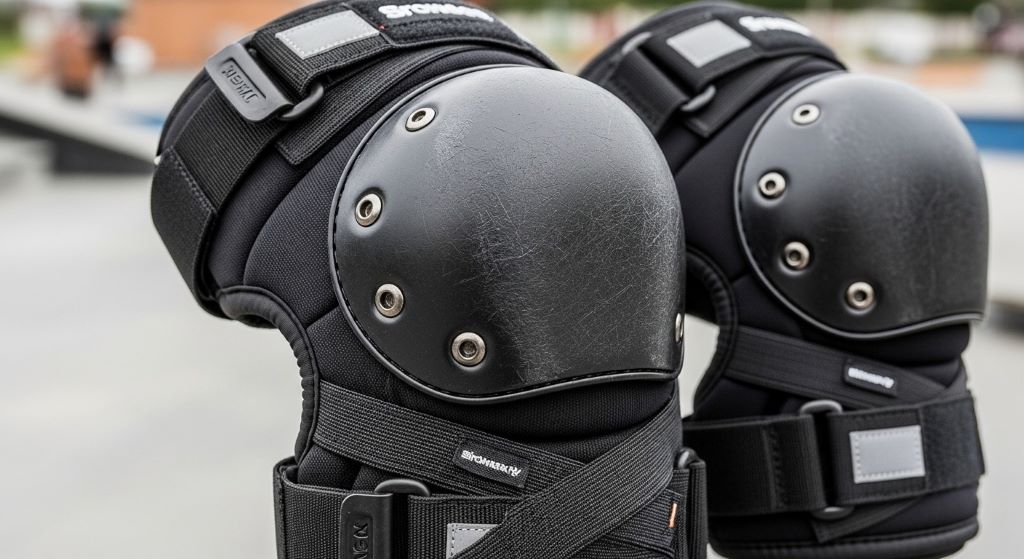
Cap-style knee pads feature a hard plastic shell over foam padding. These provide excellent protection against high impacts and are favored by vert skaters and those learning aggressive tricks. The rigid cap distributes force across a larger area, reducing the risk of injury. However, they can feel bulkier and may restrict movement slightly.
Hybrid designs combine elements of both styles, offering a protective cap with the comfort of a sleeve design. These versatile options work well for skaters who want maximum protection without sacrificing too much mobility. Many modern knee pads fall into this category, providing the best of both worlds.
Key Features to Consider
When shopping for knee pads, several important features deserve your attention. Evaluating these characteristics ensures you select a pair that meets your requirements.
The padding material significantly affects protection levels and comfort. High-density foam offers excellent shock absorption for most skating activities. Gel padding conforms to your knee shape and provides superior comfort during extended wear. Some premium options combine multiple materials for optimal performance.
Furthermore, the outer shell material matters for durability and protection. Hard plastic caps excel at deflecting sharp objects and distributing impact forces. Cordura or ballistic nylon provides abrasion resistance while maintaining flexibility. The best choice depends on your skating environment and style.
Ventilation is another crucial consideration, especially for skaters in warm climates. Perforated padding and breathable fabrics prevent excessive sweating and discomfort. Moisture-wicking materials help keep your skin dry, reducing the risk of chafing and irritation during long sessions.
Finding the Right Fit
Proper fit is essential for knee pads to function effectively. Pads that are too loose will slide down or rotate during use, leaving your knees exposed. Conversely, pads that are too tight restrict blood flow and cause discomfort, making you less likely to wear them consistently.
Measure your knee circumference at the center of the kneecap to determine your size. Most manufacturers provide sizing charts that correspond to these measurements. When in doubt, consult customer reviews to see if a particular brand runs large or small.
The knee pad should sit securely without cutting into your skin or creating pressure points. You should be able to bend your knee fully without the pad sliding or bunching up. Walk around and perform a few squats while trying on knee pads to test their stability and comfort.
Adjustable straps offer a customizable fit that accommodates different leg shapes and preferences. Velcro closures allow quick adjustments between sessions or as the pads break in. Elastic straps provide consistent tension but may lose their grip over time with repeated use.
Assessing Protection Levels
Not all knee pads offer the same level of protection. The type of skating you do should guide your choice in this regard. Street skating typically involves lower heights but more frequent falls, requiring durable pads with good abrasion resistance. Vert skating and ramp riding involve higher impacts, necessitating thicker padding and stronger caps.
Impact knee pads are specifically designed to absorb and disperse the energy from falls and collisions. These often feature multi-layer padding systems that compress upon impact, reducing the force transferred to your knee. Look for certifications or testing standards that verify the protective capabilities of the pads you’re considering.
The coverage area also affects protection levels. Some pads protect only the kneecap, while others extend coverage to the surrounding areas. Extended coverage provides better overall protection but may feel more restrictive. Consider your personal injury history and risk tolerance when deciding on coverage area.
Comfort and Mobility Considerations
Even the most protective knee pads are useless if you don’t wear them. Comfort plays a significant role in consistent use. Soft inner linings prevent chafing and irritation during extended sessions. Seamless construction eliminates pressure points that can develop into sore spots.
Mobility is equally important, particularly for technical skating that requires precise leg movements. Flexible materials and ergonomic designs allow natural knee bending without resistance. Some pads feature articulated designs that move with your knee rather than against it.
However, remember that some trade-off between protection and mobility is inevitable. Heavily armored pads provide maximum safety but limit flexibility. Minimalist designs offer freedom of movement but less protection. Your skating style and skill level should inform where you fall on this spectrum.
Durability and Longevity
Skateboarding is tough on equipment, and your knee pads will take a beating. Quality construction ensures your investment lasts through many sessions. Reinforced stitching at stress points prevents premature failure. Double or triple-stitched seams withstand repeated flexing and impacts better than single stitching.
Material quality directly correlates with longevity. Premium fabrics resist tears and abrasion better than cheap alternatives. Replaceable caps and padding extend the life of your knee pads by allowing you to swap out worn components rather than replacing the entire unit.
Additionally, proper maintenance extends the lifespan of your knee pads. Hand washing with mild detergent preserves the integrity of elastic and padding materials. Air drying prevents heat damage that can degrade foam and synthetic fabrics. Regular inspection helps you identify and address minor issues before they become major problems.
Budget Considerations
Knee pads range from budget-friendly options under thirty dollars to premium models exceeding one hundred dollars. While price often reflects quality, you don’t necessarily need the most expensive pads to stay safe. Entry-level pads from reputable brands offer adequate protection for casual skaters and beginners.
Intermediate options provide better materials and construction for regular skaters who session multiple times per week. These typically fall in the forty to seventy dollar range and represent good value for most skateboarders. Premium pads justify their higher price through superior materials, advanced designs, and enhanced durability.
Therefore, assess your commitment level and frequency of use when setting your budget. If you skate daily, investing in high-quality pads makes financial sense over time. Occasional skaters may find mid-range options perfectly adequate for their needs.
Brand Reputation and Reviews
Established brands in the skateboarding industry have earned their reputations through years of producing reliable gear. Companies that specialize in protective equipment often have more expertise than general sporting goods manufacturers. Research brands known for quality knee pads specifically designed for skateboarding rather than multi-sport options.
Customer reviews provide valuable insights into real-world performance. Pay attention to comments about sizing, durability, and comfort from verified purchasers. Look for patterns in feedback rather than focusing on individual extreme opinions. Professional skater endorsements can be helpful but should be weighed alongside user reviews.
Testing Before Committing
Whenever possible, try knee pads before purchasing them. Many skate shops allow you to test fit pads and perform basic movements. This hands-on evaluation helps you assess comfort and fit better than online specifications alone. Don’t hesitate to ask shop staff for recommendations based on your skating style and experience level.
If buying online, choose retailers with generous return policies. This safety net allows you to return pads that don’t fit properly or meet your expectations. Keep tags attached and packaging intact until you’re certain the pads work for you.
Making Your Final Decision
Selecting the best knee pads involves balancing multiple factors based on your individual needs. Prioritize protection level if you’re learning aggressive tricks or skating large ramps. Emphasize comfort and mobility for street skating and technical tricks. Consider your budget constraints while remembering that knee pads are an investment in your health and skating longevity.
Take your time with this decision rather than rushing to purchase the first pads you see. Quality knee protection for skaters should last multiple seasons with proper care. The right pads become almost unnoticeable during use, allowing you to focus on progressing your skills rather than worrying about injuries.
Conclusion
Choosing the right knee pads is a critical decision for any male skateboarder serious about protecting himself while enjoying the sport. By understanding the different types available, evaluating key features, ensuring proper fit, and considering your specific skating style, you can select pads that offer optimal protection without compromising performance. Remember that the best knee pads are the ones you’ll actually wear consistently. Prioritize comfort alongside protection, invest in quality construction, and don’t let budget constraints force you into inadequate gear. Your knees are irreplaceable, and taking care of them now ensures you can continue skateboarding for years to come. Whether you choose sleeve-style, cap-style, or hybrid impact knee pads, make an informed decision based on your unique needs and skating goals.
Frequently Asked Questions
Should I wear knee pads even if I’m an experienced skater?
Yes, experienced skaters should absolutely wear knee pads. Professional skateboarders regularly use protective gear because they understand that skill level doesn’t eliminate the risk of injury. In fact, advanced skaters often attempt more dangerous tricks that increase the potential for serious falls. Protecting your knees ensures you can continue skating at a high level without career-ending injuries.
How often should I replace my knee pads?
Replace your knee pads when you notice significant wear, such as compressed padding that no longer rebounds, torn fabric, or cracked plastic caps. Generally, frequent skaters should consider replacement every six to twelve months, while occasional users may get several years from quality pads. If the pads no longer fit securely or provide adequate cushioning, it’s time for new ones regardless of their age.
Can I wash my knee pads in a washing machine?
Most knee pads should be hand washed rather than machine washed. The agitation and heat from washing machines can damage padding, degrade elastic materials, and cause premature wear. Use cool water with mild detergent, gently scrub the pads, rinse thoroughly, and air dry. Always check the manufacturer’s care instructions, as some modern pads are machine-washable on gentle cycles.
Do I need different knee pads for different types of skating?
Different skating styles benefit from different pad characteristics, but you don’t necessarily need multiple pairs. Street skating works well with lower-profile pads that emphasize mobility, while vert skating requires thicker padding and harder caps. However, many hybrid designs work adequately across multiple skating styles. Choose pads based on your primary skating activity, and they’ll likely serve you well in other contexts too.
How tight should knee pads be?
Knee pads should fit snugly without cutting off circulation or causing discomfort. You should be able to slide two fingers between the pad and your leg, but the pad shouldn’t shift or rotate when you move. They’ll feel slightly restrictive initially but shouldn’t cause pain, numbness, or leave deep indentations in your skin. A proper fit stays in place during skating without constant readjustment.
Related Topics:
10 Essential Bike Accessories Every Rider Needs in 2025: Gear Up for Safer, Smarter Rides
Aqua Endurance Routines for Maintaining Marathon Pace


