

Street skating demands footwear that can withstand constant abuse while providing the support and feel you need to land tricks consistently. Choosing the right shoes makes the difference between progressing your skills and dealing with painful injuries or frequent replacements. The concrete jungle presents unique challenges that require specific features in your footwear.
Unlike park skating or casual cruising, street skating involves grinding rough ledges, ollying up curbs, and landing on unforgiving pavement. Your shoes absorb tremendous impact every session. Therefore, understanding what makes quality skate shoes suitable for street conditions helps you make smart purchasing decisions.
This guide breaks down everything you need to know about selecting urban skate shoes that will enhance your performance and last through intense sessions. You’ll learn about construction methods, materials, protective features, and how different designs affect your skating. By the end, you’ll be equipped to choose shoes that match your skating style and level.
Understanding Street Skating Demands
Street skating puts shoes through punishment that few other activities can match. Every trick involves friction, impact, and stress concentrated on specific areas of your footwear. The more technical your skating becomes, the more critical your shoe choice becomes.
Landing tricks generates force several times your body weight. This impact travels through your shoes into your feet, ankles, and legs. Without proper cushioning and support, this repeated stress leads to joint pain, shin splints, and potentially serious injuries over time.
Grip tape acts like sandpaper on your shoes. Each flick, kickflip, or heelflip drags your shoe across this abrasive surface. The toe box and sides of your shoes wear through quickly if they’re not reinforced properly. Many skaters go through multiple pairs each year due to grip tape damage alone.
Concrete ledges, rails, and rough surfaces constantly scrape against your shoes during grinds and slides. The friction generates heat and literally shaves material away from your soles and sidewalls. Additionally, the impacts from landing after gaps or stair sets stress every seam and connection point.
Essential Features of Quality Skate Shoes
Several key features separate true skate shoes from regular sneakers. These design elements directly address the specific challenges of street skating and significantly impact performance and durability.
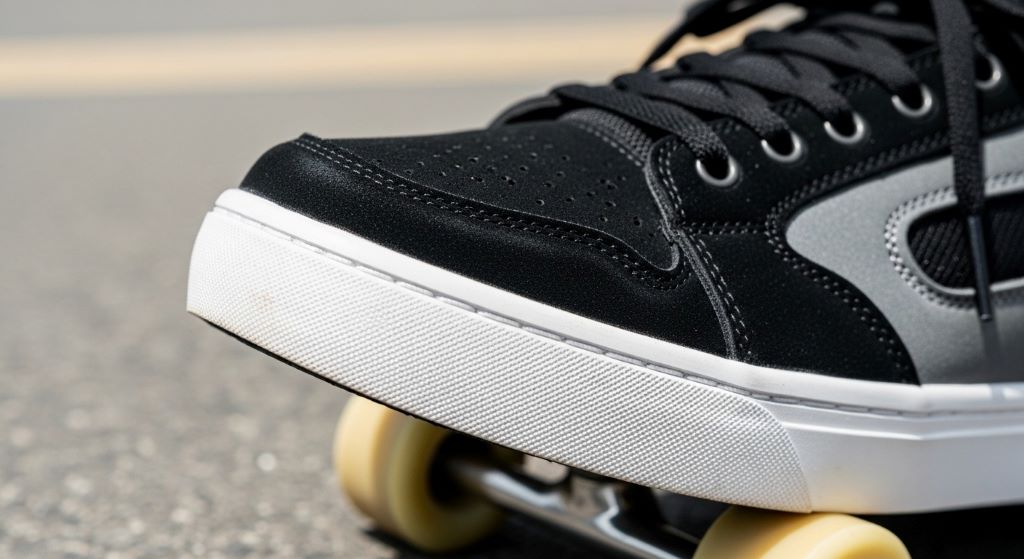
Reinforced toe caps protect the area that takes the most abuse during tricks. Many manufacturers use multiple layers of suede, rubber caps, or specialized synthetic materials in this critical zone. This reinforcement extends shoe life dramatically and maintains structural integrity longer.
Vulcanized or cup sole construction determines how your shoe flexes and feels on the board. Vulcanized soles are thinner and provide better board feel, making them popular for technical street skating. Cup soles offer more cushioning and support, which some skaters prefer for bigger gaps and impacts.
Proper padding around the collar and tongue prevents uncomfortable pressure and potential injuries. The padding should be substantial enough to provide protection without being so bulky that it restricts movement. Memory foam or gel inserts in these areas enhance comfort during long sessions.
Double or triple stitching in high-stress areas prevents early blowouts. Quality skate shoes feature reinforced stitching patterns that distribute stress across larger areas. This attention to construction detail significantly extends the usable life of your footwear.
Ollie guards or reinforcement patches on the side that contacts your grip tape during tricks slow down wear in this vulnerable area. Some shoes have these built in, while aftermarket options can be added to any shoe to extend its life.
Material Selection for Durability
The materials used in skate shoe construction directly affect how long they last and how they perform. Different materials offer various benefits, and understanding these differences helps you make informed choices.
Suede leather remains the gold standard for skate shoes. It’s naturally durable, breaks in comfortably, and withstands grip tape abrasion better than most alternatives. Premium suede also breathes well, keeping your feet cooler during intense sessions. However, it requires more break-in time than synthetic materials.
Canvas offers affordability and lighter weight but wears through much faster than suede. Some skaters prefer canvas for its broken-in feel right out of the box. Nevertheless, expect to replace canvas shoes more frequently if you’re skating street regularly.
Synthetic materials have improved dramatically in recent years. Modern synthetics can approach suede’s durability while offering advantages like water resistance and easier cleaning. They often cost less than premium leather options while still providing adequate protection.
Rubber compounds in the sole affect both grip and durability. Softer rubber provides better grip on your board but wears down faster. Harder compounds last longer but may sacrifice some feel and traction. Many manufacturers use different rubber hardnesses in various sole zones to optimize both characteristics.
Mesh panels improve breathability but create vulnerable spots that wear quickly. If your shoes include mesh sections, ensure they’re positioned away from high-wear areas like the ollie zone and toe box.
Impact Protection Shoes Technology
Modern skate shoes incorporate advanced technologies specifically designed to absorb the repeated impacts that street skating generates. These innovations help prevent injuries and reduce fatigue during extended sessions.
Heel airbags or gel inserts cushion landing impacts. These systems compress on impact, absorbing energy that would otherwise transfer directly to your joints. Quality cushioning systems bounce back quickly, maintaining protection throughout your session rather than compressing permanently after a few hard landings.
Insole technology has evolved significantly beyond basic foam padding. Premium insoles feature arch support, heel cups, and multiple density foams that work together to distribute impact forces. Many skate shoes now come with removable insoles, allowing you to upgrade to orthotic or custom insoles if needed.
Midsole composition affects shock absorption throughout the entire shoe. EVA foam is lightweight and provides good cushioning but compresses over time. Polyurethane offers better durability and maintains its cushioning properties longer, though it adds weight. Some manufacturers use combination systems that balance these characteristics.
Internal heel counters provide structure and protect your Achilles tendon from impacts. These rigid or semi-rigid components wrap around your heel, preventing excessive movement inside the shoe and adding stability during landings.
Ankle support varies based on shoe design. High-tops offer more ankle protection, which some street skaters appreciate for added stability. However, they can restrict mobility during technical tricks. Mid and low-top designs provide more freedom of movement while sacrificing some protective coverage.
Sole Design and Board Feel
The sole is where your shoe meets your skateboard, making its design crucial for control and feel. Different sole patterns and constructions suit different skating styles and preferences.
Vulcanized soles are made by heating rubber and fusing it directly to the upper. This process creates a thinner, more flexible sole that provides excellent board feel. Technical street skaters often prefer vulc construction because it allows better control during flip tricks and gives immediate feedback from the board.
Cup sole construction involves a pre-formed sole cup that’s attached to the upper. This method allows for thicker cushioning systems and generally provides more impact protection. The trade-off is slightly reduced board feel compared to vulcanized options. Many street skaters choose cup soles when skating bigger obstacles or gaps.
Tread patterns affect both grip and how your shoe interacts with your board. Simpler patterns with larger contact patches provide more stability, while more aggressive treads might feel less consistent. Look for patterns that balance grip for pushing with smooth contact on your board.
Sole thickness directly correlates with board feel and protection. Thinner soles transmit more sensation from your board, helping with precise foot placement during technical tricks. Thicker soles absorb more impact and last longer but can make your skating feel less connected.
Flexibility determines how easily your shoe bends during tricks. Too stiff feels restrictive and makes flicking tricks harder. Too flexible provides inadequate support during landings. The ideal flexibility varies by personal preference, but most street skaters prefer shoes that offer some resistance while still allowing natural foot movement.
Fit and Sizing Considerations
Proper fit is absolutely critical for skate shoes. Ill-fitting footwear causes blisters, reduces control, and can lead to injuries. Taking time to get the right size and fit pays dividends in comfort and performance.
Most skate shoes fit similarly to regular sneakers, but some brands run large or small. Try shoes on whenever possible rather than assuming your usual size will work. Skate shoes should fit snugly without pinching, with about a thumb’s width of space in front of your longest toe.
Width matters as much as length. Narrow feet need shoes that won’t slip laterally during tricks, while wider feet require adequate room to avoid pressure points. Many brands offer specific wide models or naturally run wider than competitors.
Break-in period varies by material and construction. Suede shoes typically require several sessions to fully break in, during which they may feel stiff. Softer materials feel comfortable immediately but may not provide the same long-term support. Consider this when evaluating new shoes.
Socks affect fit more than many skaters realize. Thick socks provide cushioning but take up space inside your shoe. Thin socks give more board feel but offer less protection. Find the sock thickness you prefer and always wear similar socks when trying on new shoes.
Your feet may swell during long sessions, especially in hot weather. Shoes that feel perfect in the store might become tight after an hour of skating. Account for this by ensuring adequate room without going so large that your feet slide around initially.
Style Versus Function
Skate shoe aesthetics matter to most skaters, but appearance shouldn’t override functional considerations. Finding shoes that look good and perform well is ideal, though sometimes you must prioritize one over the other.
Trendy designs might lack the reinforcement and durability needed for serious street skating. Conversely, the most technical shoes might not match your personal style. Fortunately, most major brands offer shoes that balance aesthetics with performance.
Color affects both style and practicality. Light colors show wear and dirt quickly but offer more outfit versatility. Dark colors hide scuffs better and maintain a fresher appearance longer. Some skaters choose darker shoes specifically for this reason.
Low-profile designs look sleeker and feel less bulky but may offer reduced protection. Chunkier designs provide more cushioning and support but can feel heavy and restrictive. Your skating style should guide this choice more than pure aesthetics.
Brand loyalty influences many purchasing decisions. While certain brands have strong reputations, others offer excellent value. Don’t dismiss lesser-known brands without trying their products. Conversely, established names usually maintain quality standards that justify their reputation.
Signature models from professional skaters often incorporate features those riders prefer. These shoes can be excellent choices if your skating style matches the pro’s approach. However, remember that pros receive fresh shoes constantly and may prioritize different features than someone buying their own footwear.
Budget and Value Assessment
Skate shoes range from affordable options under fifty dollars to premium models exceeding one hundred fifty dollars. Understanding what you get at different price points helps you maximize value for your investment.
Budget shoes often use cheaper materials and simpler construction. They work fine for casual skating or beginners still developing their style. However, serious street skaters will likely need replacements frequently, potentially spending more over time than if they’d invested in quality initially.
Mid-range options typically offer the best value for most street skaters. These shoes incorporate quality materials and construction without premium pricing. They balance durability, protection, and performance adequately for regular skating sessions.
Premium shoes justify their cost through superior materials, advanced cushioning systems, and meticulous construction. They’re designed for professional-level skating and daily use. If you skate frequently and hard, premium shoes may actually save money through extended lifespan.
Consider cost per session rather than just upfront price. A fifty-dollar pair lasting one month costs more per session than hundred-dollar shoes lasting four months. Track how long your shoes last and calculate actual value based on your skating frequency.
Sales and discounts make premium shoes more accessible. Last season’s colorways often go on sale when new versions release. These discounted shoes offer the same performance as current models at significant savings. Additionally, buying multiple pairs during sales ensures you have backup shoes ready.
Breaking In Your New Shoes
New skate shoes rarely feel perfect immediately. Proper break-in improves comfort and performance while helping shoes form to your feet. Rushing this process can cause blisters and premature wear.
Wear new shoes around the house before skating in them. This gentle break-in period softens materials without the intense stress of skating. Walk, flex your feet, and do light activity to begin the process.
Start with easier sessions when first skating new shoes. Save technical tricks and big gaps for later, after the shoes have loosened up. Focus on basic skating, cruising, and simple tricks while materials conform to your feet.
Leather conditioner can speed up suede break-in. Apply a small amount to stiff areas, which softens the material without compromising durability. However, avoid over-conditioning, which can make suede too soft and reduce its lifespan.
Some discomfort during initial sessions is normal. However, sharp pain or rubbing that causes blisters indicates a fit problem. Don’t push through significant pain hoping shoes will stretch enough. Poorly fitting shoes rarely become comfortable regardless of break-in time.
Rotating between two pairs extends the life of both. Allowing shoes to fully dry and rest between sessions helps materials maintain their shape and integrity. This practice also means you always have broken-in shoes ready while your other pair recovers.
Maintaining Your Skate Shoes
Proper care extends shoe life significantly, getting more sessions from each pair. Simple maintenance habits make a substantial difference in durability and performance.
Remove dirt and debris after each session. Dried mud and dirt act as abrasives that accelerate wear. A soft brush removes surface dirt without damaging materials. Pay special attention to treads where rocks and debris lodge.
Air out your shoes between sessions. Remove insoles and open up the tongue to allow moisture to evaporate. Trapped moisture breaks down materials and creates odor. Never store damp shoes in closed bags or dark spaces.
Shoe goo or similar products can repair worn areas before they become holes. Apply these rubber compounds to high-wear zones like toe boxes and ollie guards. They won’t make shoes look new but can double their functional lifespan.
Replace insoles when they compress flat. Fresh insoles restore cushioning and support without needing entirely new shoes. Many aftermarket insoles offer better cushioning than stock versions, improving comfort in otherwise sound shoes.
Avoid washing machines and dryers. The agitation and heat damage glues, break down cushioning, and can deform shoes. If cleaning is necessary, hand wash with mild soap and air dry at room temperature.
When to Replace Your Shoes
Knowing when to retire worn shoes prevents injuries and maintains performance. Skating in excessively worn footwear compromises your ability and risks your health.
Holes in the sole expose your feet to impact and potential injury. Once the sole is compromised, the shoe no longer provides adequate protection. Similarly, holes in the upper that expose your sock or skin indicate it’s time for replacement.
Compressed cushioning that no longer rebounds means the shoe can’t protect your joints properly. If you feel every impact harshly or experience new foot or leg pain, your shoes may have lost their protective properties.
Separated soles or upper pieces create instability. Shoes that flex or move in unexpected ways affect your board control and can cause twisted ankles. Significant structural damage warrants immediate replacement.
Worn tread reduces grip when pushing. If your foot slips when pushing or planting, the treads are too worn to function properly. This loss of traction affects your skating and creates safety issues.
Loss of board feel sometimes indicates it’s time to change shoes. If tricks that felt consistent suddenly become unpredictable, worn shoes might be affecting your touch on the board. Trust your instincts about when shoes no longer perform as needed.
Conclusion
Choosing the best skate shoes for street skating requires balancing multiple factors including durability, protection, board feel, and fit. Urban skate shoes specifically designed for street conditions incorporate reinforced materials, strategic padding, and construction methods that withstand constant abuse from grip tape, ledges, and hard landings.
Impact protection shoes with proper cushioning technology help prevent injuries from repeated high-force landings on concrete. The right sole construction enhances your board control while providing the support you need. Quality materials extend shoe life, though eventually all skate shoes wear out under street skating’s demanding conditions.
Remember that the most expensive shoes aren’t necessarily the best for your needs. Consider your skating style, frequency, and budget when making decisions. Proper fit matters more than any other feature, so take time to find shoes that feel right on your feet.
Maintain your shoes through regular cleaning and timely repairs to maximize their lifespan. However, recognize when worn footwear no longer provides adequate protection and performance. Investing in quality skate shoes designed specifically for street skating ultimately saves money while improving your skating experience and protecting your health for years to come.
Frequently Asked Questions
How long should a good pair of street skate shoes last?
The lifespan of skate shoes varies dramatically based on skating frequency, intensity, and style. Casual street skaters might get six months from quality shoes, while someone skating daily could wear through a pair in three to four weeks. Technical tricks involving lots of flip tricks wear shoes faster than primarily grinding or cruising. Premium shoes with reinforced construction typically outlast budget options by 50 to 100 percent even under identical conditions.
What’s the difference between vulcanized and cup sole construction?
Vulcanized soles are thinner and more flexible, created by chemically bonding rubber to the upper through heat treatment. This construction provides superior board feel, making it easier to control your skateboard precisely. Cup soles use a pre-molded sole unit attached to the upper, allowing for thicker cushioning systems. They offer more impact protection and typically last longer but sacrifice some board feel. Many street skaters prefer vulcanized for technical skating and cup soles for gaps and bigger impacts.
Should beginners invest in expensive skate shoes?
Beginners developing their skills don’t necessarily need premium shoes immediately. Mid-range options from reputable skate brands provide adequate protection and durability while you’re learning fundamentals. As your skating progresses and you attempt more technical tricks or bigger obstacles, upgrading to higher-quality footwear becomes worthwhile. However, never compromise on proper fit and basic safety features regardless of skill level. Even beginners benefit from shoes with adequate cushioning and reinforcement in key areas.
Can I use regular sneakers for street skating?
Regular sneakers lack the specific reinforcements, durability, and board feel that actual skate shoes provide. While you can physically skate in any shoe, regular sneakers wear out extremely quickly and don’t protect your feet adequately. They typically lack reinforced ollie areas, proper cushioning for repeated impacts, and the flat sole profile that provides optimal board contact. Using skateboarding-specific footwear is strongly recommended for anyone skating regularly, especially for street skating’s demanding conditions.
How tight should skate shoes fit?
Skate shoes should fit snugly without causing pain or restricting blood flow. Your heel should stay firmly in place without slipping when walking, and you should have approximately a thumb’s width of space beyond your longest toe. The shoe should feel secure around your midfoot without excessive pressure. Remember that most skate shoes will stretch slightly during break-in, particularly leather models. They should feel comfortably snug when new, becoming perfectly fitted after several sessions. Shoes that feel loose initially will become too sloppy for proper board control.
Related Topics:
Spitfire 52mm Wheels Review: Performance, Durability & Street Skating Test
10 Essential Bike Accessories Every Rider Needs in 2025: Gear Up for Safer, Smarter Rides


