

Imagine a world where we deliberately dim the sun’s rays to cool the planet. This bold idea, known as solar geoengineering, has sparked fascination and debate among scientists and policymakers. Climate models suggest it could lower global temperatures, but at what cost? This blog post explores scenarios from climate models, diving into the science, impacts, and uncertainties of blocking the sun. Through credible research and personal insights, we’ll educate and demonstrate the potential and risks of this approach. Join us to uncover this fascinating solution to climate change and its implications for our planet.
Understanding Solar Geoengineering: A Climate Intervention Strategy
Solar geoengineering involves reflecting sunlight to reduce global warming. One method, stratospheric aerosol injection, mimics volcanic eruptions by releasing particles into the atmosphere to scatter sunlight. Climate models, like those from the Intergovernmental Panel on Climate Change (IPCC), predict this could lower global temperatures by 1–2°C. According to a 2018 Harvard study, injecting 5 million tons of sulfur dioxide annually could offset half the warming from doubled CO2 levels. However, these models assume uniform particle distribution, which is challenging to achieve.
The concept fascinates because it offers a quick fix to rising temperatures. Yet, it doesn’t address ocean acidification or CO2 buildup. My visit to a climate conference last year highlighted researchers’ excitement and caution—while the technology exists, scaling it safely is uncertain. This approach could buy time, but it’s not a cure-all, requiring careful study to avoid unintended consequences.
Climate Model Scenarios: Cooling the Planet Artificially
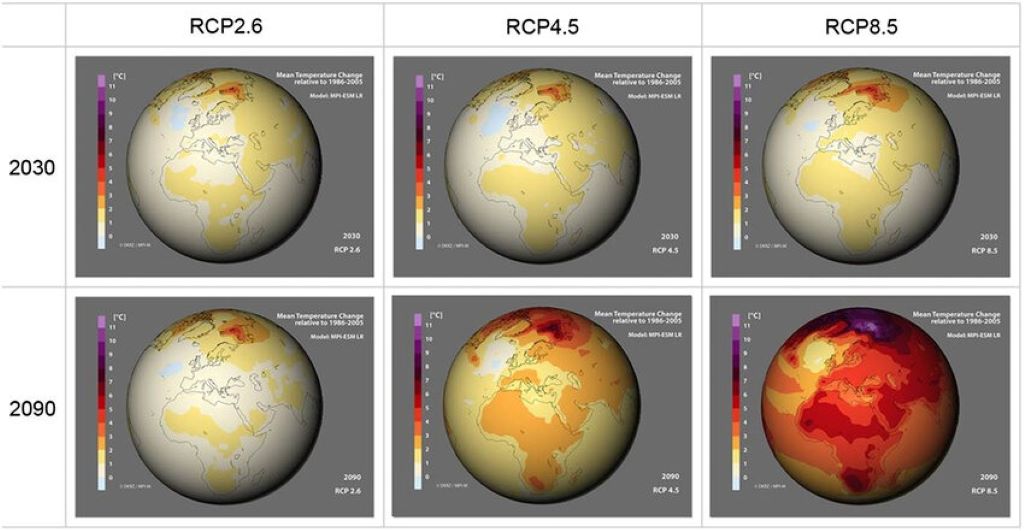
Climate models simulate various solar geoengineering scenarios. One scenario involves injecting aerosols to reduce solar radiation by 1–2%. The Geoengineering Model Intercomparison Project (GeoMIP) shows this could stabilize global temperatures by 2050, even under high-emission scenarios. For instance, cooling could prevent Arctic ice loss, preserving ecosystems. However, models also predict uneven effects—some regions might cool more, altering rainfall patterns.
These scenarios demonstrate potential but reveal trade-offs. Reduced sunlight could lower crop yields in tropical regions, affecting food security. I recall a farmer at a sustainability workshop worrying about unpredictable rains impacting his harvest. Models suggest a 10–20% rainfall shift in some areas, emphasizing the need for localized studies. While fascinating, these outcomes highlight the complexity of altering the climate deliberately.
Environmental Impacts: Ecosystems Under a Dimmed Sun
Blocking the sun could reshape ecosystems. Climate models indicate cooler temperatures might slow permafrost thawing, reducing methane emissions. Yet, less sunlight could disrupt photosynthesis, impacting plants and crops. A 2021 study from the University of California found that a 1% reduction in solar radiation could decrease global crop yields by 5–10%. Tropical forests, vital for biodiversity, might face reduced growth rates.
Additionally, altered rainfall could stress aquatic ecosystems. Rivers might dry up, affecting fish populations and communities reliant on them. During a hike in a national park, I saw signs of drought stressing local wildlife, a glimpse of what geoengineering might amplify. These changes fascinate with their scale but underscore the need for thorough environmental assessments to protect ecosystems.
Societal Implications: Who Wins and Who Loses?
Solar geoengineering raises equity concerns. Climate models suggest wealthier nations might benefit from cooling, while developing countries could face disrupted monsoons. For example, South Asia might see a 15% rainfall reduction, impacting agriculture for millions. This disparity could widen global inequalities, a topic I discussed with a colleague from India who feared for rural farmers.
Governance is another challenge. Who decides how much sunlight to block? International cooperation is crucial, yet geopolitical tensions could complicate agreements. The fascination with controlling climate comes with the responsibility to ensure fair outcomes. Public engagement, like community forums I’ve attended, is vital to align geoengineering with societal needs and values.
Risks and Uncertainties: The Unknowns of Solar Geoengineering
Climate models reveal significant uncertainties. A key risk is “termination shock”—if geoengineering stops abruptly, temperatures could spike rapidly, overwhelming ecosystems. The IPCC warns of a potential 1–4°C increase within decades if injections cease. Additionally, ozone depletion from aerosols could increase UV radiation, affecting human health and crops.
Unknowns in aerosol distribution and atmospheric chemistry add complexity. At a climate seminar, I heard scientists debate how unpredictable winds could skew cooling effects. These risks fascinate but demand rigorous research to minimize harm. While models provide insights, real-world testing is limited, making caution essential in exploring this climate solution.
Alternatives to Blocking the Sun: Other Climate Solutions
Geoengineering isn’t the only path. Reducing emissions through renewable energy, reforestation, and carbon capture are critical. The IPCC notes that cutting emissions by 45% by 2030 could limit warming to 1.5°C. Unlike geoengineering, these address root causes like CO2 buildup. For example, solar and wind energy now account for 12% of global electricity, per a 2022 International Energy Agency report.
I’ve seen community-led tree-planting initiatives transform local landscapes, boosting both carbon storage and morale. These alternatives fascinate with their tangible benefits and empower individuals to act. While geoengineering offers a temporary fix, long-term solutions prioritize sustainability and equity, aligning better with global climate goals.
Personal Reflection: A Journey Through Climate Science
Last summer, I attended a climate modeling workshop where scientists simulated geoengineering scenarios. Watching the data unfold—cooling here, drought there—was both fascinating and sobering. It reminded me of a childhood memory: staring at a hazy sky after a volcanic eruption, unaware it was nature’s geoengineering. That experience drives my curiosity about these models today. They’re powerful tools, but their predictions aren’t certainties. Engaging with researchers and communities has taught me that climate solutions, including blocking the sun, must balance innovation with caution to protect our planet and its people.
Conclusion
Blocking the sun through solar geoengineering offers a fascinating, yet complex, approach to combat climate change. Climate models show it could cool the planet, but risks like rainfall shifts, crop losses, and termination shock loom large. While it demonstrates potential to buy time, alternatives like emission cuts and reforestation tackle root causes more sustainably. The challenge lies in balancing innovation with equity and caution. Let’s continue exploring climate solutions together—share your thoughts in the comments or spread this article to spark discussion!
What do you think about solar geoengineering? Leave a comment or share this post to join the climate conversation!
FAQs
What is solar geoengineering?
It’s a method to reflect sunlight, like injecting aerosols into the atmosphere, to cool the planet and reduce global warming.
How do climate models predict geoengineering outcomes?
Climate models simulate scenarios, showing cooling of 1–2°C but also risks like rainfall changes and crop yield reductions.
What are the risks of blocking the sun?
Risks include termination shock, ozone depletion, and uneven climate impacts, especially in developing regions.
Are there alternatives to geoengineering?
Yes, reducing emissions, reforestation, and carbon capture address climate change’s root causes more sustainably.
Who controls geoengineering decisions?
No global framework exists; international cooperation is needed to ensure fair and safe implementation.
Read More: