

Photography is a powerful medium that captures the world in countless ways. Two of the most significant and often compared styles are documentary photography and fine art photography. While both serve as artistic expressions, they differ in purpose, execution, and interpretation. Understanding these differences helps photographers, collectors, and enthusiasts appreciate the unique value each style brings to visual storytelling.
Before diving into the distinctions, it’s essential to explore Goo Photo, a platform that showcases a wide range of photography styles, offering inspiration and insights for aspiring and professional photographers alike.
What is Documentary Photography?
Documentary photography is a visual representation of reality. It captures real-life moments, often focusing on social, political, or cultural themes. This genre has been instrumental in shaping public opinion and preserving history. Unlike staged or manipulated images, documentary photography aims for authenticity.
Key Characteristics of Documentary Photography
- Realism and Objectivity
Documentary photographers aim to present an unaltered version of reality. They do not stage scenes or direct subjects but instead capture raw and candid moments. - Storytelling with a Purpose
These images often serve a larger purpose—raising awareness, sparking conversations, or documenting history. Some of the most impactful photographs in history, like Dorothea Lange’s “Migrant Mother” or Steve McCurry’s “Afghan Girl,” have brought global attention to social issues. - Long-Term Commitment
Many documentary photographers spend years on a single project, immersing themselves in communities and cultures to create an accurate representation of their subjects. - Minimal Editing
While basic adjustments like contrast and exposure correction are acceptable, documentary photographers avoid heavy manipulation to maintain credibility.
What is Fine Art Photography?
Fine art photography is an expression of the artist’s vision, creativity, and imagination. It is not about capturing reality but rather about interpreting and presenting a concept or emotion. Unlike documentary photography, which relies on real-world events, fine art photography can be staged, manipulated, or digitally altered to achieve the desired effect.
Key Characteristics of Fine Art Photography
- Artistic Vision Over Reality
Fine art photography prioritizes aesthetics and concept over factual representation. Photographers use various techniques, including lighting, composition, and post-processing, to convey emotions and ideas. - Highly Conceptual
Many fine art photographers work with specific themes or narratives, exploring abstract concepts such as identity, surrealism, or personal experiences. Artists like Cindy Sherman and Gregory Crewdson are known for their highly conceptual work. - Manipulation and Creativity
Unlike documentary photography, fine art photography embraces editing, composites, and digital enhancements. This allows for greater creative freedom in crafting the final image. - Subjectivity in Interpretation
Viewers of fine art photography bring their own perspectives and emotions to the image, leading to multiple interpretations. This differs from documentary photography, which seeks to present a clear and factual account of a subject.
Throughout history, documentary photography has played a crucial role in shaping society. It provides an unfiltered look at important events, preserves historical moments, and serves as a tool for social change. The ability to capture reality and share untold stories is why many people ask, Why is documentary photography important? The answer lies in its power to inform, educate, and inspire action.
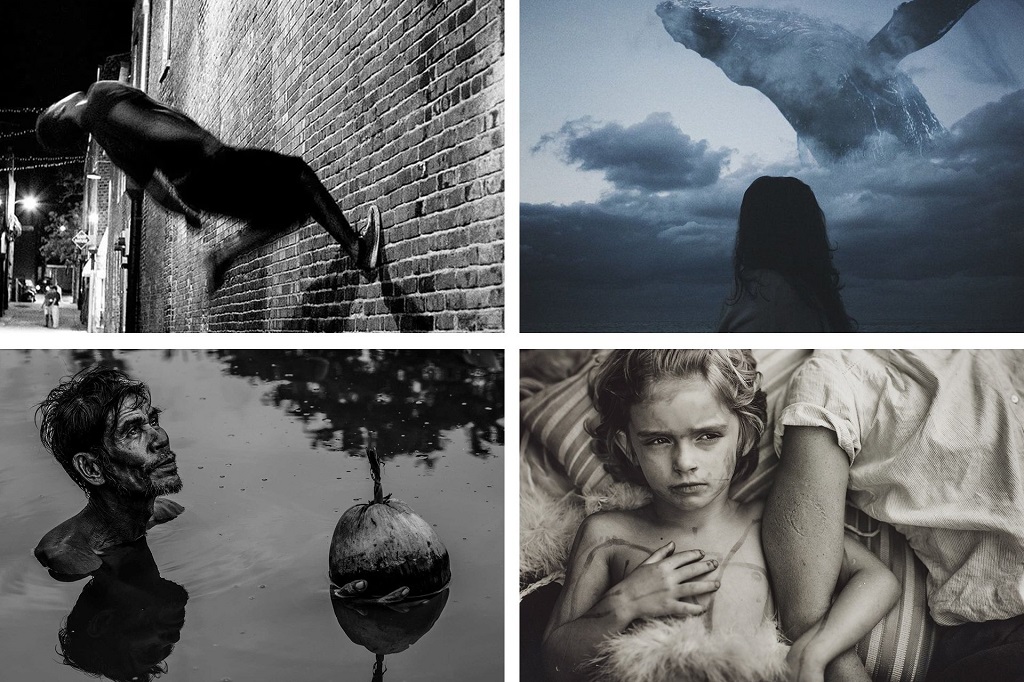
The Impact of Documentary Photography on Society
- Raising Awareness
Many iconic photographs have exposed injustices, from war crimes to environmental destruction. For example, Nick Ut’s photograph of a napalm attack in Vietnam significantly influenced public opinion on the war. - Historical Documentation
Documentary photography serves as a visual archive of human history. Without it, many significant moments would be forgotten or misrepresented. - Influencing Policy and Action
Photographs have the power to drive change. Lewis Hine’s images of child labor in the early 20th century played a key role in reforming labor laws in the United States.
Comparing Documentary Photography and Fine Art Photography
| Aspect | Documentary Photography | Fine Art Photography |
| Purpose | To document reality and inform the audience | To express the artist’s vision and emotions |
| Authenticity | High, with minimal editing | Can be heavily edited and manipulated |
| Subject | Real-life people, events, or places | Can be real, staged, or completely imaginary |
| Storytelling | Narrative-driven, often socially impactful | Open-ended, subject to interpretation |
| Editing | Minimal, to maintain authenticity | Extensive, to enhance artistic expression |
Choosing Between Documentary and Fine Art Photography
If you’re a photographer trying to decide which path to pursue, consider the following factors:
- Your Intent – Do you want to capture the truth of a moment, or do you prefer to create and manipulate images?
- Your Creative Freedom – Are you comfortable with strict limitations, or do you enjoy digital manipulation and artistic experimentation?
- Your Audience – Are you aiming to educate and inform, or do you want to provoke thought and personal interpretation?
For those passionate about truth and storytelling, documentary photography is a fulfilling choice. If you lean toward self-expression and artistic freedom, fine art photography may be the better fit.
Final Thoughts
Both documentary and fine art photography have their place in the world of visual storytelling. While one seeks to reveal reality, the other bends it to create new perspectives. Understanding these differences not only helps photographers define their artistic paths but also allows audiences to appreciate the depth and complexity of each genre. Whether you’re drawn to the raw power of documentary photography or the limitless creativity of fine art photography, both styles continue to shape how we see the world. For another captivating blend of artistry and narrative, explore Fashion Editorial Photography: Unveiling the Art of Storytelling through Images and see how fashion photography pushes creative boundaries.
FAQs
1. Can a photograph be both documentary and fine art?
Yes, some photographers blur the lines by capturing real events in a highly artistic manner. However, if an image is heavily edited or staged, it leans more towards fine art.
2. Is fine art photography more difficult than documentary photography?
Both genres require skill, but in different ways. Documentary photography demands patience, timing, and an eye for real moments, while fine art photography requires conceptual thinking and mastery of creative techniques.
3. Do fine art photographers use Photoshop?
Yes, many fine art photographers use Photoshop or other editing tools to enhance their images, create surreal effects, or manipulate elements to fit their artistic vision.
4. Are documentary photographers allowed to edit their photos?
Minor adjustments like brightness and contrast correction are acceptable, but altering key elements of the image is discouraged to maintain authenticity.
5. How can I start with documentary or fine art photography?
For documentary photography, start by capturing everyday life and current events. For fine art photography, experiment with concepts, lighting, and post-processing to develop your unique style.