

Your car’s tires are its direct connection to the road. Over time, tire tread wears down, reducing grip and increasing the risk of hydroplaning and accidents. Measuring tire tread is crucial for maintaining safety, efficiency, and overall performance.
While many use a dedicated tread depth gauge, a simple ruler can do the job just as effectively. Whether you’re a seasoned driver or just starting out, knowing how to check your tire tread can save you money and keep you safe on the road.
Before diving into the step-by-step process, let’s discuss why measuring tread depth is important and when you should check your tires.
Why Is Measuring Tire Tread Important?
Tire tread plays a crucial role in vehicle safety.
It helps your car maintain traction, disperse water, and grip the road in wet or dry conditions. Here’s why it matters:
- Prevents Hydroplaning: Worn-out tires struggle to channel water away, increasing the risk of hydroplaning in wet conditions.
- Ensures Proper Traction: Tread depth affects how well your vehicle grips the road, especially in snow, mud, or rain.
- Extends Tire Life: Regular tread checks help identify uneven wear, allowing for timely rotation and alignment adjustments.
- Saves Money: Detecting issues early prevents premature tire replacement and reduces fuel consumption caused by worn tires.
Most manufacturers recommend replacing tires when the tread depth falls below 2/32 of an inch (or 1.6 mm).
How to Measure Tire Tread with a Ruler
Step 1: Gather the Right Tools
You’ll need:
- A standard ruler (preferably one with inches and millimeters)
- A flat, stable surface to park your vehicle
- Good lighting or a flashlight for better visibility
Step 2: Find the Tread Groove
Tire treads have deep grooves running across their surface. These grooves help with water dispersion and traction. Locate the deepest part of the tread to ensure an accurate reading.
Step 3: Insert the Ruler into the Groove
Place the ruler vertically into the groove, ensuring it touches the bottom. Check the measurement where the top of the tread meets the ruler.
Step 4: Record the Tread Depth
Measure the depth in both inches and millimeters to match manufacturer recommendations:
- New tires: Typically 10/32″ to 11/32″ (8–9 mm)
- Replace soon: 4/32″ (3 mm)
- Replace immediately: 2/32″ (1.6 mm)
If any section of the tire has uneven wear below 2/32″, it’s time for a replacement.
Using a Penny vs. a Ruler for Tread Measurement
Many drivers use the “penny test” to check tread depth. However, using a ruler provides more accuracy.
| Method | Accuracy | Best For |
| Ruler | Highly accurate (inches/mm) | Precise depth measurement |
| Penny Test | Approximate (Lincoln’s head visible = replace tire) | Quick roadside check |
While the penny test gives a general idea, a ruler ensures you get an exact depth measurement, making it the preferred choice for long-term tire safety.
When checking tread depth, you may come across different fractions of an inch. One important fraction is 3/8 in on ruler. While 3/8″ is larger than standard tread depth, understanding these fractions can help when comparing tread wear across multiple tires.
When Should You Check Your Tire Tread?
Regular tread checks ensure optimal performance and safety. Here are ideal times to measure:
- Every month: Helps monitor gradual wear
- Before long trips: Ensures road readiness
- After hitting a pothole: Checks for uneven wear
- During seasonal changes: Helps prepare for rain or snow
If you notice irregular wear patterns, it may indicate alignment issues, improper inflation, or suspension problems.
Tire Tread Wear Patterns and What They Mean
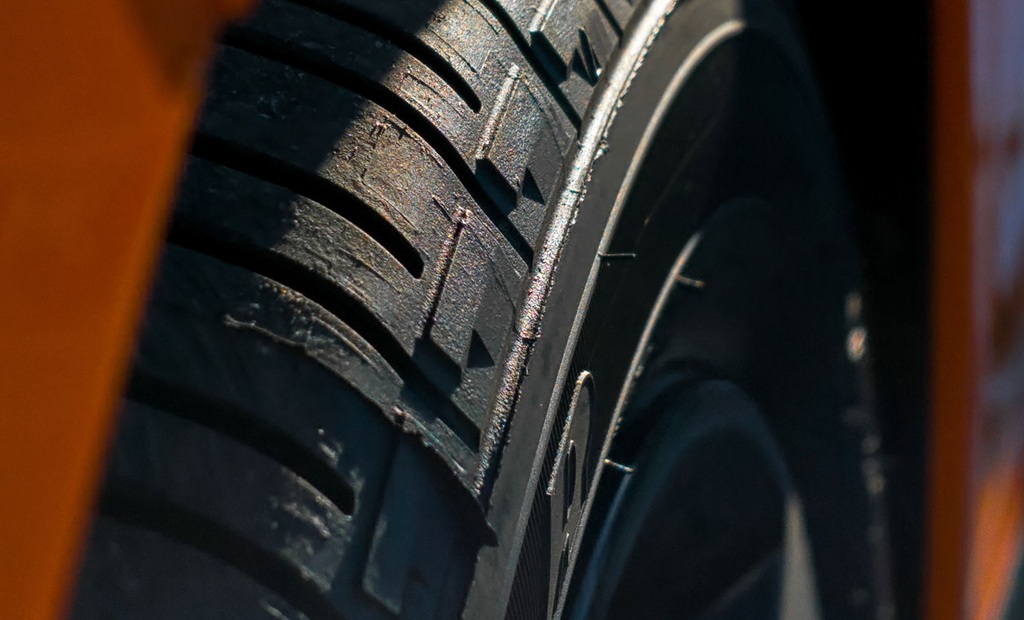
Uneven wear can signal underlying vehicle issues. Here’s what different wear patterns indicate:
| Wear Pattern | Possible Cause | Solution |
| Center wear | Over-inflation | Reduce tire pressure |
| Edge wear | Under-inflation | Increase tire pressure |
| Cupping wear | Suspension issues | Check shocks/struts |
| Feathering wear | Misalignment | Wheel alignment check |
Related: Extend Car Tire Life With These Surprising Hacks
How Often Should You Replace Tires?
Tire lifespan depends on mileage, road conditions, and maintenance. On average:
- Standard tires last 50,000–60,000 miles
- Performance tires may wear out sooner
- Off-road tires last depending on terrain usage
Checking tread depth with a ruler helps determine whether you need a replacement sooner.
How to Extend Tire Life
Proper maintenance can maximize tread life. Follow these tips:
- Rotate tires every 5,000–7,500 miles
- Check and maintain proper tire pressure
- Get regular wheel alignments
- Avoid aggressive braking and acceleration
- Inspect tires for cuts, bulges, and irregular wear
FAQs
How deep should my tire tread be?
New tires typically have 10/32″ to 11/32″ tread depth. Replace them when they reach 2/32″ for safety.
Is it legal to drive with bald tires?
Most states require at least 2/32″ tread depth. Driving on bald tires increases accident risks and may result in fines.
Can I use a quarter instead of a penny to check the tread?
Yes! Place a quarter in the tread groove. If Washington’s head is visible, it’s time to replace the tire.
Related: Mastering Mountain Bike Tire Inflation: The Key to Performance and Grip
Why do my tires wear unevenly?
Uneven wear may be due to misalignment, improper inflation, or suspension issues. Have a professional inspect them.
Can bad tires affect fuel economy?
Yes. Worn-out tires increase rolling resistance, making your engine work harder, thus reducing fuel efficiency.
Conclusion
Measuring tire tread with a ruler is a quick and effective way to check tire health. Regular tread depth checks improve safety, performance, and fuel efficiency. If your tires show signs of excessive wear, don’t wait—replace them to stay safe on the road.
Taking just a few minutes to check your tread could save you from costly repairs or accidents. Drive smart, stay safe, and keep your tires in check!