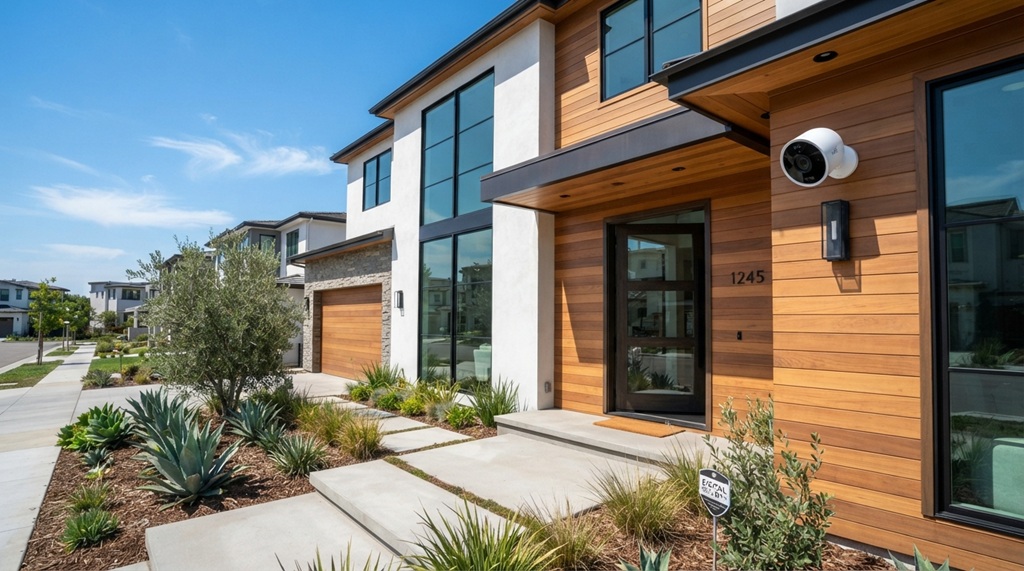
Ever been scrolling through online listings, heart set on that perfect bungalow with the wraparound porch, only to find it’s listed as “under contract”? Ugh, talk about a letdown, right? But what does that even mean? Is it game over for your homeownership dreams? Not necessarily! In real estate, “under contract” means the seller has accepted an offer, but the sale isn’t finalized yet. You might still have options, like working with companies such as BSO Invest, which can help you find other properties or navigate the process if you’re still eager to make your homeownership dreams a reality. Let’s break down this real estate jargon so you can navigate the home buying process like a pro.
Under Contract: Not Quite a Done Deal
Imagine you’ve found “the one” (house, that is!). You make an offer, the seller accepts, and you pop the champagne… not so fast! “Under contract” basically means you’re in a committed relationship, but you haven’t quite walked down the aisle yet. Think of it like being engaged. You’ve said “yes,” but there are still a few things to sort out before you say “I do.”
In simpler terms: “Under contract” means the seller has accepted an offer, but there are still some hoops to jump through before the sale is final. These hoops are called contingencies, and they’re a crucial part of the process.
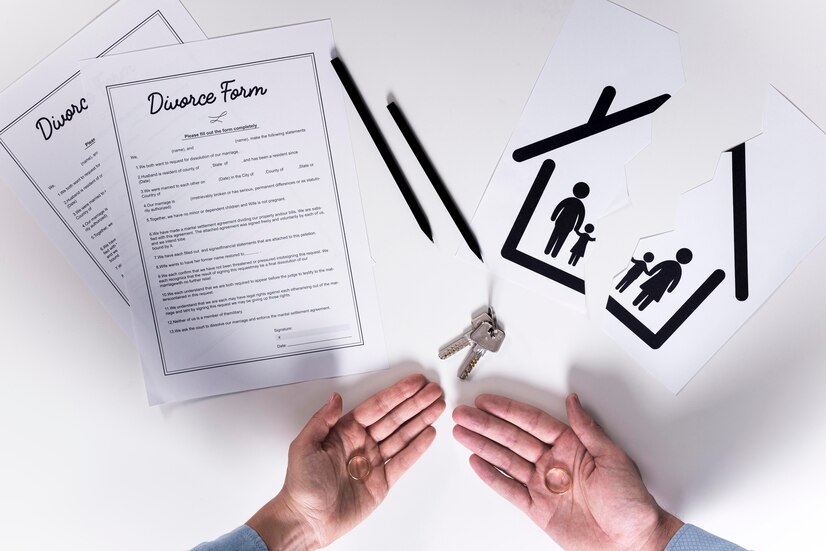
Contingencies: The “Buts” of Real Estate
Contingencies are like the “buts” in a relationship. “I love you, BUT…” They’re conditions that must be met before the sale can go through. Think of them as safety nets for both the buyer and the seller. In real estate, these contingencies are often outlined in a real estate binder, ensuring that all parties are aware of the conditions that need to be satisfied for the transaction to proceed smoothly.
Some common contingencies include:
- Financing: This ensures you can actually get a mortgage. Imagine buying a house only to find out the bank won’t lend you the money! Awkward.
- Appraisal: This makes sure the house is actually worth what you’re paying for it. You don’t want to overpay, right?
- Home Inspection: This allows you to uncover any hidden problems, like a leaky roof or faulty wiring. Nobody wants to move into a money pit.
According to the National Association of Realtors, roughly 7% of real estate contracts are terminated. That’s a lot of broken engagements! And guess what? Contingencies are often the culprits.
Active Under Contract: A Glimmer of Hope?
Sometimes you might see a listing marked as “active under contract.” This means the seller has accepted an offer, BUT they’re still open to backup offers. Why? Because things can still fall through with the primary buyer.
Think of it like this: you’re the runner-up in a beauty pageant. The crown is almost on someone else’s head, but there’s still a chance they might trip and fall! Okay, maybe not the best analogy, but you get the idea.
Is it worth making a backup offer? It depends. You might end up heartbroken, but sometimes it pays to be persistent. Just make sure you’re truly in love with the house and prepared to go through the whole process.
Pending: Almost at the Finish Line!
Once all the contingencies have been met, the status changes to “pending.” This means the sale is almost final. It’s like the wedding rehearsal dinner – the big day is just around the corner!
But wait, there’s still a catch! Even at this stage, the deal can still fall apart. Maybe the buyer loses their job or gets cold feet. It’s rare, but it happens.
Why Should I Care About “Under Contract”?
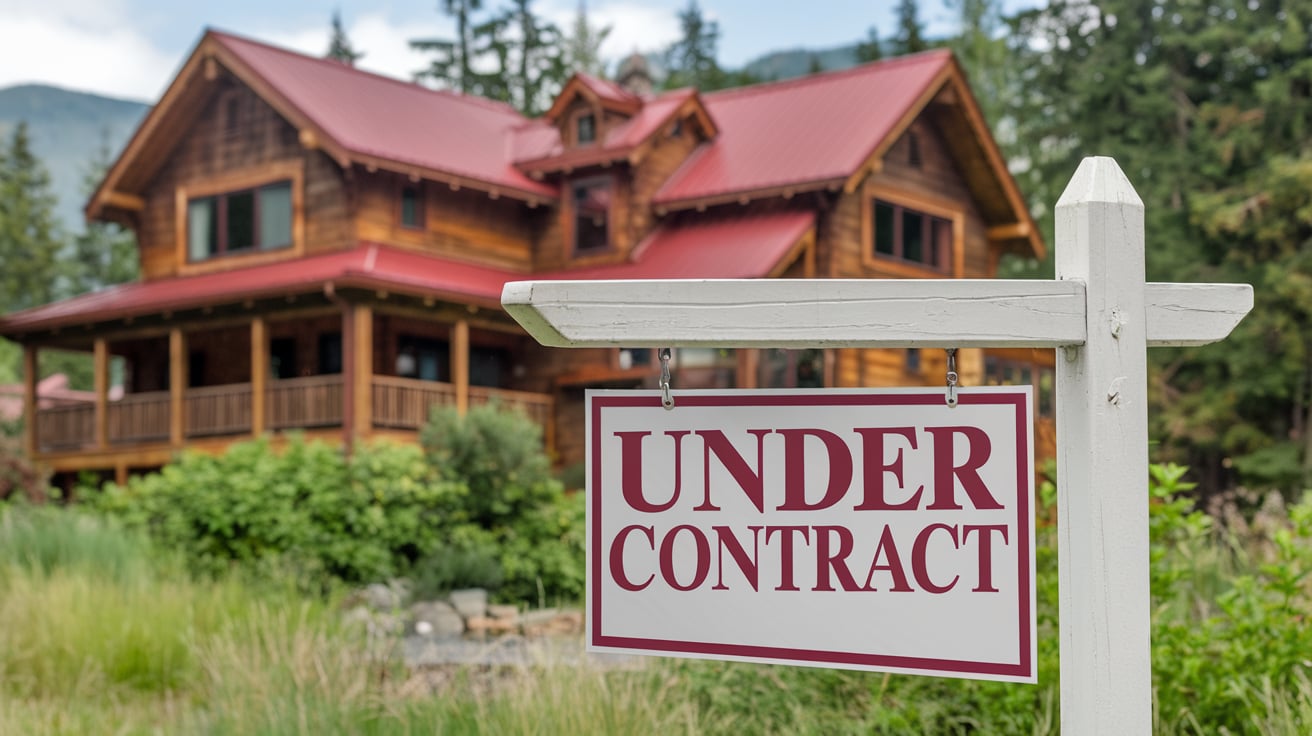
You might be thinking, “Why should I even bother understanding this stuff? If a house is under contract, I should just move on, right?” Not so fast! Here’s why it’s important to know the ins and outs of “under contract”:
- It helps you understand the market: Seeing how many houses are under contract can give you a sense of how competitive the market is. Are things moving quickly? Are there a lot of bidding wars?
- It can help you strategize: If you know a house is under contract with contingencies, you might be able to swoop in with a better offer if the deal falls through.
- It can save you time and heartache: Understanding the process can prevent you from getting your hopes up about a house that’s already spoken for.
Let’s Recap
“Under Contract” is a crucial stage in the real estate process. It signifies that an offer has been accepted, but the deal isn’t finalized until all contingencies are met. Think of it as a commitment with some escape clauses.
While it might be disappointing to find your dream home “under contract,” don’t lose hope! Keep an eye on the listing, consider making a backup offer, and remember that there are always other fish in the sea (or houses on the market!).