

Wireless headphones have transformed how we experience audio on the go. However, many users struggle with fit and ambient noise interference. This is where innovative accessories come into play. Headphones Unboxed explores cutting-edge solutions that enhance your listening experience beyond what stock headphones can offer.
Noise isolation wing attachments represent a breakthrough in personal audio technology. These small additions make a significant difference in sound quality and comfort. Additionally, they address common complaints about wireless earbuds slipping out during workouts or commutes. The right attachment can transform an average listening session into an immersive experience.
When searching for the best headphones accessories, wing attachments consistently rank among the most effective upgrades. They create a better seal in your ear canal. This improved seal blocks external sounds more effectively. Furthermore, it enhances bass response and overall audio clarity.
Understanding Noise Isolation Technology
Noise isolation differs from active noise cancellation. It uses physical barriers rather than electronic interference. Wing attachments work by filling the gaps between your ear and the earbud. This creates a tighter seal that prevents sound leakage in both directions.
The science behind this is straightforward. When external sounds cannot enter your ear canal, you hear your audio more clearly. Similarly, your music does not escape to disturb others nearby. This passive approach consumes no battery power. Therefore, it extends your listening time significantly.
Many audiophiles prefer passive isolation for its natural sound reproduction. Active noise cancellation can sometimes introduce artifacts or pressure sensations. Wing attachments provide a more organic listening experience. They let you enjoy music as the artist intended.
Types of Wing Attachments Available
The market offers several wing attachment designs. Each serves different needs and ear shapes. Understanding these options helps you choose wisely.
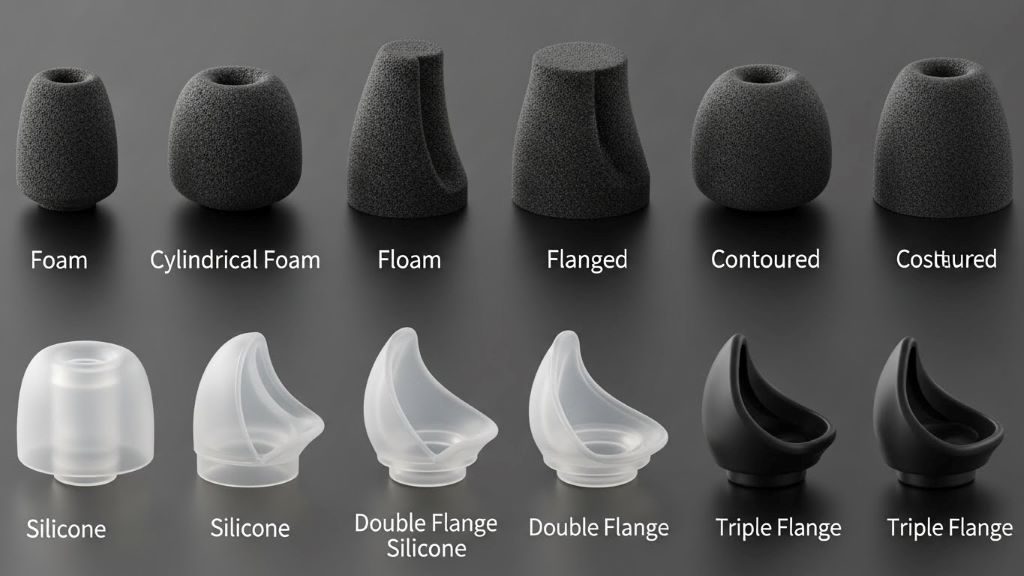
Silicone wings are the most common type. They provide flexibility and comfort for extended wear. These attachments come in multiple sizes to fit various ear shapes. Additionally, silicone resists sweat and moisture. This makes them ideal for athletic activities.
Memory foam wings offer superior noise isolation. They compress when inserted, then expand to fill your ear canal completely. This creates an exceptional seal. However, they require replacement more frequently than silicone options. Moreover, they need time to decompress between uses.
Hybrid designs combine silicone stability with foam comfort. These attachments feature a silicone base with foam tips. They balance durability and isolation effectively. Furthermore, they suit users who find pure foam tips too isolating for daily use.
Benefits of Adding Wing Attachments
Wing attachments deliver multiple advantages beyond basic noise isolation. They improve fit security dramatically. This matters especially during physical activity. Your earbuds stay firmly in place during runs, workouts, or daily commutes.
Comfort increases substantially with proper wings. Stock earbuds often create pressure points. Wing attachments distribute pressure more evenly across your ear. Consequently, you can wear headphones for longer periods without discomfort.
Sound quality improves measurably. According to research from Consumer Reports, proper earbud fit significantly affects audio performance. Bass frequencies particularly benefit from good isolation. You experience richer, fuller sound without increasing volume to dangerous levels.
Battery life extends indirectly through wing attachments. When external noise is blocked effectively, you need less volume. Lower volume means less power consumption. Therefore, your wireless headphones last longer between charges.
Choosing the Right Wing Attachments
Selecting appropriate wing attachments requires consideration of several factors. Ear anatomy varies significantly between individuals. What works perfectly for one person might not suit another.
Start by measuring your ear canal size. Most manufacturers provide sizing guides. Additionally, many sell variety packs with multiple sizes. This lets you test different options affordably.
Consider your primary use case. Athletes need wings that resist sweat and stay secure during movement. Commuters prioritize maximum noise isolation. Office workers might want moderate isolation to remain aware of their surroundings.
Material preference matters greatly. Some people find silicone more comfortable. Others swear by memory foam. Testing both types helps you decide. Furthermore, consider allergies or skin sensitivities when choosing materials.
Installation and Maintenance Tips
Installing wing attachments correctly ensures optimal performance. The process is simple but requires attention to detail. First, remove any existing tips from your earbuds. Clean the attachment point thoroughly.
Align the wing attachment with your earbud nozzle. Push firmly but gently until it seats completely. Ensure no gaps exist between the attachment and earbud body. These gaps compromise isolation effectiveness.
Insert the earbuds properly into your ears. The wings should nestle into the natural curves of your outer ear. You should feel gentle pressure but no pain. Adjust the angle until you find the most comfortable position.
Maintenance extends the life of your attachments. Clean them regularly with mild soap and water. Allow them to dry completely before use. Replace foam attachments every few months. Silicone versions last longer but still need eventual replacement.
Compatibility Considerations
Not all wing attachments fit all wireless headphones. Check compatibility before purchasing. Manufacturers typically list compatible models on their packaging.
Universal attachments fit most standard earbuds. These work with popular brands like Apple, Samsung, and Sony. However, proprietary designs might require brand-specific accessories. Research your headphone model thoroughly before buying.
Some high-end headphones use specialized attachment systems. These might not accept third-party wings. Consult manufacturer documentation or customer service. Additionally, online communities often share compatibility information.
Impact on Audio Experience
Wing attachments transform your listening experience in measurable ways. Professional audio reviewers consistently note improvements. The enhanced seal delivers clearer midrange frequencies. Vocals sound more distinct and present.
Bass response improves dramatically with proper isolation. You hear subtle low-frequency details previously masked by ambient noise. This happens without boosting bass artificially. Therefore, you experience more balanced, accurate sound.
High frequencies benefit from reduced external interference. Cymbals and strings sound crisper and more defined. The overall soundstage expands. You perceive greater separation between instruments. This creates a more immersive listening environment.
Cost Versus Value Analysis
Wing attachments represent an affordable upgrade. Most options cost between ten and thirty dollars. This modest investment delivers substantial returns. Compared to purchasing new headphones, attachments offer exceptional value.
Higher-priced options usually feature premium materials. They might include multiple size options or carrying cases. However, expensive does not always mean better. Many affordable attachments perform excellently.
Consider cost per use when evaluating value. Quality attachments last months or years. Even premium options become economical when used daily. Furthermore, they protect your investment in expensive wireless headphones.
Environmental and Health Considerations
Wing attachments affect both environmental impact and personal health. Replaceable tips reduce electronic waste. Instead of discarding entire headphones due to fit issues, you simply change attachments.
Proper isolation protects your hearing health. When external noise is blocked, you need less volume. The World Health Organization warns about hearing damage from excessive volume. Wing attachments help you listen safely at lower levels.
Choose materials carefully for skin health. Medical-grade silicone suits most users. Some cheaper materials cause irritation or allergic reactions. Additionally, regular cleaning prevents bacterial buildup. This reduces infection risk significantly.
Future Developments in Wing Technology
Innovation continues in headphone accessory design. Manufacturers experiment with new materials and shapes. Smart wings with embedded sensors may arrive soon. These could adjust fit automatically based on activity level.
Antimicrobial materials are becoming more common. These resist bacterial growth naturally. This innovation benefits both hygiene and longevity. Furthermore, sustainable materials gain popularity as environmental awareness grows.
Customization technology advances rapidly. Some companies now offer 3D-printed wings based on ear scans. While expensive currently, prices should decrease. This could make perfectly fitted attachments accessible to everyone.
Conclusion
Noise isolation wing attachments offer a simple yet powerful upgrade for wireless headphones. They improve fit security, enhance comfort, and dramatically increase sound quality. These affordable accessories solve common problems that plague even premium headphones. Whether you exercise regularly, commute daily, or simply enjoy music, wing attachments deliver measurable benefits. They protect your hearing by enabling lower listening volumes. Additionally, they extend the useful life of your existing headphones. Investing in quality wing attachments proves wise for any serious listener. The transformation in your audio experience will surprise you.
Frequently Asked Questions
Do wing attachments work with all wireless earbuds?
Most wing attachments work with standard wireless earbuds that have removable tips. However, some proprietary designs require brand-specific accessories. Always check compatibility before purchasing. Universal options fit many popular brands, but measuring your earbud nozzle diameter ensures proper fit.
How often should I replace wing attachments?
Replacement frequency depends on material type and usage. Memory foam wings typically need replacement every two to three months with daily use. Silicone attachments last six months to a year. Replace them when you notice decreased comfort, visible wear, or reduced noise isolation.
Can wing attachments damage my headphones?
Quality wing attachments do not damage headphones when installed correctly. Use gentle pressure during installation. Avoid forcing attachments onto incompatible earbuds. Remove them carefully when changing sizes. Following these guidelines protects both your attachments and headphones.
Will wing attachments affect wireless connectivity?
Wing attachments do not interfere with Bluetooth or other wireless signals. They only affect the physical fit and acoustic seal. Your connection strength and audio quality remain unchanged electronically. The improved seal actually enhances perceived audio quality through better isolation.
Are expensive wing attachments worth the extra cost?
Price does not always correlate with performance. Many affordable options perform excellently. Premium attachments may offer better durability or additional size options. Evaluate based on material quality, included sizes, and user reviews rather than price alone. Start with mid-range options to find what works for you.
Related Topics:
Dallas Clean Beauty Salons & Eco‑Friendly Products