

An aquarium is a microcosm of aquatic life, a serene world encapsulated within glass walls. While fish are often the stars of the show, aquatic plants play an equally crucial role, acting as both functional and aesthetic elements. They serve as natural oxygenators, filters, and hiding spots, while also contributing to the visual appeal of the aquarium. In this article, we will explore the world of aquarium plants, their benefits, and how to choose and care for them.
The Vital Role of Aquarium Plants
- Oxygen Production: Through photosynthesis, aquarium plants absorb carbon dioxide and release oxygen, providing a vital source of oxygen for the fish and other aquatic life.
- Water Filtration: Plants absorb nitrates, ammonia, and other toxins from the water, acting as a natural filter and contributing to a healthier environment.
- Habitat and Hiding Spots: The foliage and roots of plants offer natural hiding spots for fish, particularly fry and shy species, reducing stress and promoting a sense of security.
- Algae Control: By competing for nutrients, aquarium plants can help control algae growth, contributing to a cleaner and clearer aquarium.
- Aesthetic Appeal: Plants add natural beauty and visual interest to the aquarium, creating a more vibrant and engaging environment.
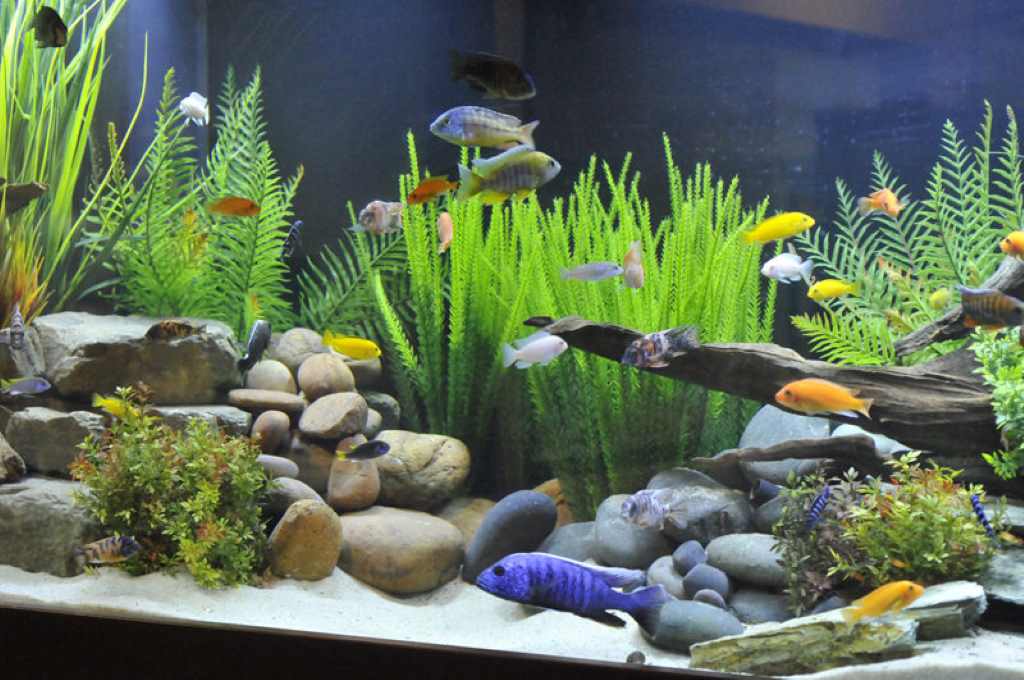
Choosing the Right Aquarium Plants
When selecting plants for your aquarium, consider the following factors:
- Aquarium Size: Choose plants that are appropriate for the size of your aquarium. Large plants can overwhelm a small tank, while small plants may get lost in a large one.
- Lighting: Different plants have different lighting requirements. Make sure your aquarium lighting is sufficient for the plants you choose.
- Water Parameters: The water temperature, pH, and hardness should be suitable for the plants you select. Some plants are more tolerant of variations than others.
- Fish Compatibility: Avoid plants that are known to be eaten by your fish. Some fish, like goldfish and cichlids, are particularly prone to nibbling on plants.
- Growth Rate: Consider the growth rate of the plants. Fast-growing plants may require more frequent trimming.
Popular Aquarium Plant Types
Here are some popular aquarium plant types for beginners:
- Java Fern: A hardy and adaptable plant that can thrive in a wide range of conditions. It attaches to rocks and driftwood and requires minimal care.
- Anubias: Another low-maintenance plant that attaches to hardscape and tolerates low light. It comes in various shapes and sizes.
- Amazon Sword: A classic background plant with long, sword-shaped leaves. It requires moderate lighting and can grow quite tall.
- Cryptocoryne: A diverse group of plants with varying leaf shapes and colors. They are generally easy to care for and tolerate low light.
- Hornwort: A versatile floating plant that provides cover and helps control algae. It can be rooted or left to float freely.
Caring for Aquarium Plants
- Lighting: Provide adequate lighting based on the specific needs of your plants. Most plants require at least 8-10 hours of light per day.
- Substrate: Use a nutrient-rich substrate to provide essential nutrients for plant growth. Avoid using gravel or sand alone, as they lack essential nutrients.
- Fertilization: Supplement the substrate with liquid fertilizers or root tabs to ensure adequate nutrient levels.
- Water Changes: Regular water changes help maintain water quality and prevent nutrient deficiencies.
- Trimming: Trim plants regularly to control growth and promote healthy development. Remove dead or decaying leaves.
- CO2 Injection: Consider CO2 injection for demanding plants and to promote faster growth and lush foliage.
Creating an Aquascape
Aquascaping is the art of arranging plants, rocks, and driftwood to create a visually appealing underwater landscape. Here are some tips for creating an aquascape:
- Planning: Start with a plan and consider the overall layout and design before adding any elements to the aquarium.
- Focal Point: Create a focal point using a large rock, a striking plant, or a unique piece of driftwood.
- Layering: Use plants of varying heights to create depth and dimension. Place taller plants in the background and shorter ones in the foreground.
- Contrast: Use plants with different leaf shapes, colors, and textures to create visual interest and contrast.
- Balance: Achieve balance by distributing the elements evenly throughout the aquarium. Avoid overcrowding or leaving large empty spaces.
Conclusion
Aquarium plants are more than just decorations. They play a vital role in maintaining a healthy and balanced ecosystem while adding natural beauty to the underwater world. By choosing the right plants, providing adequate care, and creating a thoughtful aquascape, you can transform your aquarium into a thriving and visually stunning aquatic haven.
Remember, a well-planted aquarium is not only a joy to behold but also a testament to the delicate balance of nature. So, dive into the world of aquatic plants and discover the wonders they can bring to your aquarium. For those looking to introduce versatile and beneficial plants, explore Aquariumfishblog review on pothos in aquariums, and learn how aquarium plants can enhance water quality and aesthetics.


