Choosing the right stand for your aquarium represents a critical decision that affects both safety and aesthetics. Your fish tank requires sturdy support that can handle significant weight while complementing your home decor. The foundation you select will serve your aquatic pets for years to come. Therefore, understanding your options helps you make an informed choice.
Two primary materials dominate the aquarium stand market today. Each offers distinct advantages and potential drawbacks worth examining. Your personal circumstances, budget, and preferences will guide your final decision. However, knowing the key differences between these materials ensures you select the best option for your specific situation.
Understanding Weight Requirements and Load Distribution
Aquariums are surprisingly heavy once filled with water, gravel, decorations, and equipment. A basic 55-gallon tank weighs approximately 625 pounds when fully set up. Larger tanks can easily exceed 1,000 pounds. This substantial weight demands proper support from day one.
The stand you choose must distribute this weight evenly across your floor. Uneven distribution can cause structural problems over time. Additionally, your home’s floor must handle the concentrated weight in one area. Older homes or upper-level rooms may require extra consideration.
Different materials handle weight distribution in unique ways. Some spread loads more efficiently than others. Furthermore, construction quality matters as much as the material itself. A poorly built stand of any material will eventually fail under sustained pressure.
Safety should always be your top priority when selecting aquarium support. Catastrophic stand failure can cause thousands of dollars in damage. Moreover, it puts your fish at serious risk. Therefore, never compromise on structural integrity for aesthetic preferences alone.
Building codes and insurance considerations may affect your choice. Some policies require specific support structures for large aquariums. Check with your insurance provider before installing tanks over 50 gallons. This simple step can save significant headaches later.
Examining Wooden Stand Construction and Benefits
Wooden stands have supported aquariums for decades with proven reliability. Traditional craftsmanship creates beautiful furniture pieces that blend seamlessly into home environments. Many aquarium enthusiasts prefer the warm, natural appearance wood provides.
Quality wooden stands use solid hardwoods or marine-grade plywood. Oak, maple, and pine are popular choices for their strength and availability. Additionally, proper construction techniques ensure these stands last for generations. Well-built wooden cabinets resist warping and maintain structural integrity under constant weight.
The aesthetic versatility of wood remains unmatched in aquarium furniture. You can stain or paint wood to match any decor style. Furthermore, decorative moldings and custom details personalize your setup. This customization allows your aquarium to become a true centerpiece in your room.
Wooden stands often include built-in storage compartments and cabinets. These spaces hide unsightly equipment like filters, heaters, and air pumps. Additionally, you can store fish food, cleaning supplies, and testing kits conveniently. This organization keeps everything you need within easy reach.
Moisture resistance varies significantly between different wood types and finishes. Marine-grade plywood resists water damage better than standard lumber. However, proper sealing and finishing protect all wooden stands from moisture-related problems. Regular maintenance preserves the wood’s appearance and structural strength.
Repair and modification of wooden stands is relatively straightforward. Basic woodworking skills allow you to adjust shelves or add reinforcement as needed. Moreover, refinishing breathes new life into older stands. This flexibility extends the useful life of your investment considerably.
Exploring Metal Stand Design and Advantages
Metal stands bring modern engineering to aquarium support systems. Steel and aluminum construction provides exceptional strength-to-weight ratios. These stands often weigh less than wooden equivalents while supporting equal or greater loads.
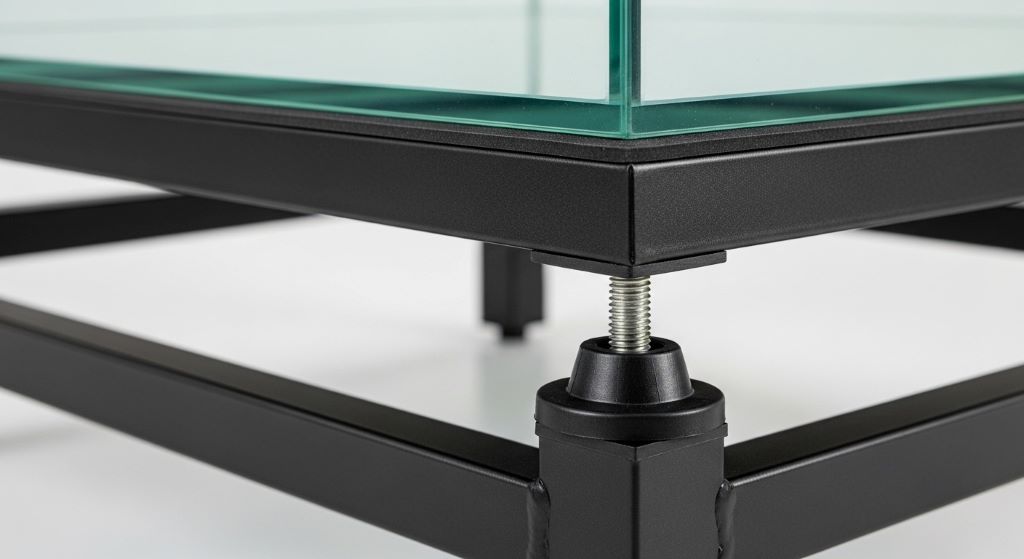
The open framework design of most metal stands improves accessibility significantly. You can easily reach equipment from multiple angles without removing panels. Additionally, this openness promotes better air circulation around your tank. Improved airflow helps maintain stable temperatures and reduces humidity buildup.
Metal construction allows for precise weight calculations and engineering. Manufacturers can guarantee specific load capacities with confidence. Furthermore, metal doesn’t warp, swell, or deteriorate from moisture exposure. This consistency ensures your stand performs identically years after purchase.
Corrosion resistance varies between different metal types and coatings. Powder-coated steel resists rust in most home environments. Stainless steel and aluminum naturally resist corrosion without special treatments. However, scratches in protective coatings can lead to rust spots over time.
The industrial or minimalist aesthetic of metal appeals to modern decorating sensibilities. Clean lines and simple structures create contemporary looks. Additionally, metal finishes range from matte black to polished chrome. This variety allows coordination with existing furniture and fixtures.
Assembly of metal stands typically requires less expertise than wooden alternatives. Most metal stands use simple bolt-together construction. Clear instructions and standard tools make setup accessible to most hobbyists. Moreover, disassembly for moving is equally straightforward.
Comparing Durability and Longevity Factors
Long-term performance depends on material properties and environmental conditions. Both materials can last decades when properly maintained. However, they age differently and face distinct challenges over time.
Wooden stands develop character as they age when well-maintained. Proper sealing protects against water damage and warping. Additionally, periodic refinishing restores their original beauty. Neglected wooden stands may suffer from rot, especially in humid environments.
Metal stands maintain their structural integrity indefinitely under normal conditions. They don’t absorb moisture or provide food for pests. Furthermore, metal doesn’t gradually weaken from environmental exposure. However, cosmetic deterioration through rust or chipped paint may occur.
Pest resistance strongly favors metal construction over wood. Termites and other insects cannot damage metal frames. Conversely, wooden stands may attract pests in certain regions. This consideration becomes especially important in areas with high termite activity.
Environmental stability differs significantly between these materials. Wood expands and contracts with humidity changes. This movement can affect levelness over time. Meanwhile, metal remains dimensionally stable regardless of humidity levels.
Impact resistance varies based on specific construction methods. Solid wood resists denting better than thin metal panels. However, metal frames withstand structural stress more consistently. The overall design and quality matter more than material alone.
Analyzing Cost Considerations and Value Propositions
Initial purchase price represents just one aspect of total ownership cost. Budget-conscious buyers must consider long-term expenses and potential replacement costs. Additionally, installation requirements may add to overall expenses.
Entry-level prices favor metal stands in most size ranges. Simple metal frames cost less to manufacture than quality wooden cabinets. However, premium metal stands with powder coating and accessories approach wooden stand prices. The price gap narrows as quality increases.
Custom wooden stands command premium prices due to craftsmanship requirements. However, they offer unmatched personalization options. Additionally, locally crafted wooden stands support small businesses and artisans. This added value appeals to many aquarium enthusiasts.
Maintenance costs differ substantially between materials over time. Wooden stands may require periodic refinishing or repair. Metal stands need minimal maintenance beyond occasional cleaning. Therefore, metal stands often prove more economical long-term despite similar initial costs.
Resale value considerations favor well-maintained wooden stands. Quality wooden furniture retains value better than mass-produced metal frames. Furthermore, timeless wooden designs appeal to broader audiences. This factor matters if you plan to upgrade your aquarium later.
Hidden costs sometimes accompany stand purchases. Some stands require additional accessories or modifications for specific tank sizes. Additionally, delivery charges for heavy wooden cabinets can be substantial. Factor these expenses into your total budget before deciding.
Evaluating Moisture and Water Damage Resistance
Aquarium environments create challenging conditions for furniture materials. Splashing during water changes, humidity from open tanks, and occasional spills test stand durability. Your chosen material must withstand constant moisture exposure without degradation.
Water damage poses the greatest threat to wooden stands. Unfinished or poorly sealed wood absorbs moisture readily. This absorption leads to swelling, warping, and eventual structural failure. However, properly finished wooden stands resist moisture effectively for years.
Metal stands inherently resist water damage better than wood. Water doesn’t penetrate metal surfaces or cause structural changes. Additionally, water beads up and evaporates quickly from metal. This property makes cleanup simple and prevents long-term damage.
Protective coatings determine each material’s real-world performance. Quality marine-grade finishes protect wood as effectively as powder coating protects metal. Conversely, cheap finishes on either material fail quickly. Never skimp on protective treatments regardless of base material choice.
Regular maintenance preserves moisture resistance over time. Wiping up spills immediately prevents water from penetrating protective layers. Additionally, periodic reapplication of sealers maintains wood protection. Metal stands benefit from prompt attention to any coating damage.
Humidity levels in your home affect material performance differently. Wooden stands in high-humidity environments require extra protection and monitoring. Metal stands perform consistently regardless of ambient humidity. Consider your local climate when making material selections.
Assessing Assembly Requirements and Installation Complexity
Setup difficulty affects the overall ownership experience significantly. Some hobbyists enjoy DIY projects while others prefer ready-to-use solutions. Your comfort level with tools and construction should influence your choice.
Metal stands typically arrive partially assembled requiring minimal work. Bolt-together construction uses common hand tools most homeowners already own. Additionally, clear instructions make assembly straightforward for beginners. Most people complete metal stand assembly in under an hour.
Wooden stand assembly varies from simple to complex depending on design. Pre-assembled wooden cabinets require no setup beyond unboxing. However, knock-down wooden furniture demands more time and skill. Some intricate designs challenge even experienced DIY enthusiasts.
Professional assembly services are available for both material types. This option eliminates assembly concerns but adds cost. Furthermore, professional installers ensure proper leveling and stability. Consider this service if you’re uncomfortable with assembly tasks.
Leveling requirements apply equally to both materials. An unlevel stand stresses tank seams and increases leak risk. Additionally, it creates visual problems and potential equipment malfunctions. Always use a quality level during installation regardless of stand material.
Modification potential differs between materials after initial setup. Metal stands resist modification without specialized welding equipment. Conversely, wooden stands accept screws, brackets, and other additions easily. This flexibility helps adapt stands to changing needs over time.
Considering Aesthetic Integration with Home Decor
Your aquarium stand becomes permanent furniture affecting room appearance daily. Visual harmony between your stand and existing decor enhances overall ambiance. Therefore, appearance deserves serious consideration alongside functional requirements.
Wooden stands offer unparalleled versatility in traditional and transitional decor schemes. Rich wood tones complement existing furniture seamlessly. Additionally, wood’s warmth balances the cool, modern appearance of glass aquariums. This combination creates inviting focal points in living spaces.
Metal stands excel in contemporary and industrial design environments. Sleek lines and minimalist construction suit modern aesthetics perfectly. Furthermore, metal’s neutral appearance allows the aquarium itself to command attention. This approach works well when showcasing spectacular fish or aquascaping.
Color options expand significantly with painted or powder-coated finishes. Both materials accept custom colors to match specific palettes. However, wood grain remains visible under stains and clear finishes. Metal accepts opaque finishes that completely hide the base material.
Cabinet-style stands provide more design flexibility than open frames. Enclosed wooden cabinets hide equipment while presenting finished furniture appearance. Conversely, open metal frames create airy, uncluttered looks. Your preference for concealment versus accessibility guides this choice.
Customization options vary between materials and manufacturers. Custom wooden stands can match existing furniture precisely. Meanwhile, metal stands offer fewer customization options but greater standardization. Consider whether uniqueness or consistency matters more in your space.
Understanding Environmental Impact and Sustainability
Environmentally conscious consumers consider material sourcing and lifecycle impacts. Both materials have environmental considerations worth examining. Your values regarding sustainability may influence your final decision.
Wood represents a renewable resource when sourced responsibly. Certified sustainable forestry ensures new trees replace harvested ones. Additionally, wooden stands store carbon throughout their lifetime. This environmental benefit appeals to eco-conscious hobbyists.
Metal production requires significant energy and creates industrial emissions. However, metal stands are highly recyclable at end of life. Furthermore, their longevity means fewer replacements over time. These factors partially offset production impact.
Manufacturing processes differ substantially between materials. Woodworking produces biodegradable sawdust and minimal chemical waste. Metal fabrication involves more energy-intensive processes and potential pollutants. However, modern manufacturing has reduced environmental impacts for both materials.
Transportation emissions depend on weight and distance traveled. Heavy wooden cabinets consume more fuel during shipping than lighter metal frames. Additionally, local sourcing reduces transportation impact significantly. Consider purchasing locally made stands when possible.
End-of-life disposal favors metal’s recyclability over wood’s biodegradability. Old metal stands return to manufacturing streams as raw material. Wooden stands can decompose naturally or be repurposed. Both options beat landfill disposal significantly.
Making the Final Decision Based on Your Specific Needs
Choosing between metal vs wood aquarium stand options requires balancing multiple factors. No single material suits every situation perfectly. Therefore, prioritize the factors most important to your circumstances.
Tank size significantly influences material selection. Very large tanks benefit from engineered metal construction. Smaller tanks offer more flexibility in material choice. Additionally, tank shape affects which stand designs work best.
Budget constraints may limit available options. Remember that initial cost differs from long-term value. Furthermore, factor in potential maintenance and replacement expenses. A slightly more expensive stand that lasts longer often proves more economical.
Available space and room layout affect practical considerations. Open metal frames work well in tight spaces requiring equipment access. Cabinet-style wooden stands suit rooms where hidden storage adds value. Measure carefully before committing to any stand.
Personal skill levels and available tools matter for assembly and maintenance. Choose stands matching your comfort level with construction tasks. Additionally, consider whether you enjoy periodic maintenance or prefer set-and-forget solutions.
Long-term plans for your aquarium hobby should inform your choice. If you plan to upgrade to larger tanks soon, invest in versatile stands. Conversely, if this tank represents your final setup, optimize for that specific situation. Think ahead to avoid premature replacement.
Conclusion
Selecting between aquarium cabinet materials requires careful evaluation of multiple factors. Both wooden and metal stands offer distinct advantages depending on your specific circumstances. Wooden stands provide traditional aesthetics, customization options, and warm visual appeal. Metal stands deliver superior moisture resistance, easier maintenance, and modern design.
Weight capacity, durability, and moisture resistance form the foundation of any safe choice. Additionally, consider assembly requirements, aesthetic preferences, and environmental impacts. Budget constraints and long-term value propositions also play crucial roles in decision-making.
Neither material is universally superior to the other. Instead, each excels in different situations and appeals to different priorities. Wooden stands suit those valuing traditional furniture aesthetics and customization. Metal stands benefit hobbyists prioritizing low maintenance and contemporary design.
Take time to evaluate your specific needs before making this important purchase. Consider your tank size, room conditions, decor style, and maintenance preferences. Furthermore, examine actual stands in person when possible to assess quality and construction. This thorough approach ensures your choice supports your aquarium safely and beautifully for years to come.
The right stand becomes an invisible support system that lets your aquatic display shine. Whether you choose wood or metal, prioritize quality construction and proper installation. Your fish and your peace of mind both depend on this critical foundation.
Frequently Asked Questions
Can I use a metal stand for a saltwater aquarium?
Yes, metal stands work well for saltwater aquariums when properly protected. Choose stands with high-quality powder coating or stainless steel construction to resist corrosion from salt spray. Additionally, wipe up any saltwater splashes immediately to prevent salt buildup. Regular inspection for coating damage helps catch problems early. Many successful saltwater hobbyists use metal stands without issues when they follow proper maintenance procedures.
How do I protect a wooden stand from water damage?
Apply marine-grade sealant to all wooden surfaces, especially unfinished areas like the inside of cabinets. Place waterproof mats under equipment and use drip loops on electrical cords. Additionally, wipe up spills immediately and avoid splashing during water changes. Reapply sealant every few years to maintain protection. Proper ventilation in the cabinet prevents humidity buildup that can damage wood over time.
Which material is easier to move when relocating?
Metal stands are generally easier to move due to lighter weight and simpler disassembly. Most metal stands break down into components that fit through doorways easily. Wooden cabinets, especially solid wood construction, are significantly heavier and may require multiple people. However, well-built wooden stands survive moves when handled carefully. Consider future moving plans when selecting stand materials for large aquariums.
Do metal stands rust in humid environments?
Quality metal stands with proper powder coating resist rust effectively even in humid conditions. However, scratches or chips in the coating can allow rust to start. Stainless steel and aluminum stands naturally resist corrosion without coatings. Inspect metal stands regularly for coating damage and touch up any exposed areas promptly. Proper maintenance prevents rust problems in most home environments.
Can I refinish or repaint my aquarium stand later?
Wooden stands refinish easily using standard woodworking techniques. Sand the surface, apply new stain or paint, and seal properly. Metal stands can be repainted after thorough cleaning and light sanding to improve adhesion. However, powder coating requires professional equipment for best results. Both materials accept new finishes, but wood offers simpler DIY refinishing options for most hobbyists.
Related Topics:
Cloudy Water After Water Change Causes: Aquarium Troubleshoot
How to Perform Effective Weekly Aquarium Maintenance