

Maintaining a healthy and vibrant aquarium doesn’t have to be overwhelming. Weekly maintenance, when done correctly, keeps your tank pristine and your fish stress-free. It prevents algae outbreaks, stabilizes water chemistry, and prolongs the life of your aquatic ecosystem. Many hobbyists ignore weekly tasks and face problems down the line—from cloudy water to disease outbreaks. Here’s how to stay ahead with practical, effective weekly aquarium maintenance.
Why Weekly Maintenance Matters More Than You Think
Fish tanks are closed environments. Unlike natural bodies of water, waste has nowhere to go. Uneaten food, fish waste, and decaying plants can rapidly turn into ammonia, which is toxic. According to a 2023 PetMD report, over 60% of beginner aquarists lose fish due to unstable water conditions. Weekly maintenance prevents toxic build-up, supports beneficial bacteria, and ensures your fish live in a stable, oxygen-rich environment.
Skipping weekly care can lead to imbalanced pH, nitrite spikes, and oxygen depletion. In contrast, regular attention improves clarity, boosts fish immunity, and reduces stress. Therefore, even small weekly efforts pay off in a healthier and low-maintenance tank long term.
Step-by-Step Weekly Aquarium Maintenance Routine
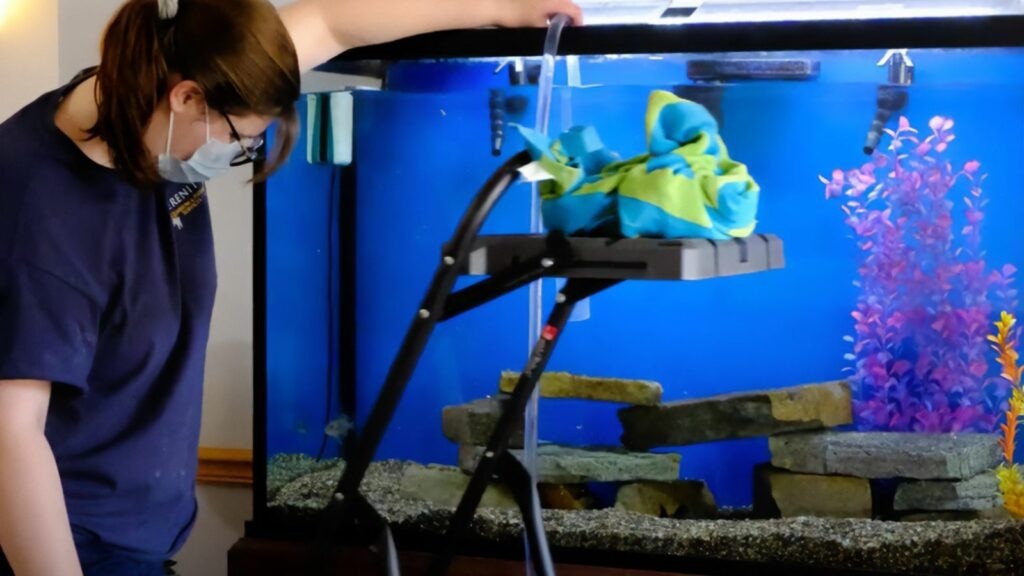
Let’s break down an efficient routine that fits into your weekly schedule and promotes long-term tank success.
-
Inspect Fish and Equipment
Start by observing your fish closely. Look for unusual behavior, labored breathing, or visible symptoms like torn fins or white spots. This early detection can prevent major outbreaks. Check filters, heaters, lights, and air pumps to ensure they’re functioning properly. A malfunctioning heater, for example, can lead to temperature shock—a silent killer in aquariums.
-
Test the Water Parameters
Use liquid test kits instead of strips—they’re more accurate. Test for:
- Ammonia (0 ppm)
- Nitrite (0 ppm)
- Nitrate (under 40 ppm)
- pH (varies by species)
Testing weekly helps you spot problems before they escalate. For example, high nitrates often mean it’s time for a water change. According to Aquarium Co-Op, even advanced aquarists monitor these parameters weekly to maintain stability.
-
Perform a Partial Water Change (20–30%)
Remove 20-30% of the water using a gravel vacuum. This not only clears waste but also refreshes minerals and reduces toxins. Avoid removing too much water, which can shock your fish and destabilize the cycle.
Dechlorinate new water before adding it back, and match the temperature within 1–2°F. Stability is key; drastic temperature swings can be lethal. Also, avoid cleaning all filters and gravel at once. Leave some bacteria intact to preserve the nitrogen cycle.
-
Clean the Glass and Decorations
Algae buildup is normal but unsightly. Use a magnetic glass cleaner or algae scraper for the inside walls. Avoid chemical cleaners—they harm aquatic life. For decorations, gently scrub with old tank water or soak them if heavily soiled. Avoid over-cleaning, as some algae are natural and even beneficial.
-
Trim Plants and Remove Debris
Dead plant leaves decompose quickly, causing ammonia spikes. Trim and remove them during your water change. For aquascaped tanks, regular pruning keeps your aquascape looking sharp and promotes healthier growth. Live plants, in turn, help absorb nitrates and improve oxygen levels.
-
Clean or Replace Filter Media
Never clean filter media under tap water—it kills beneficial bacteria. Instead, rinse it in old tank water during your change. Replace carbon or chemical media monthly, but sponge filters can last longer. Monitor flow rate; if water isn’t circulating well, it’s time to clean the impeller or intake tube.
-
Top Off Evaporated Water (If Needed)
Topping off isn’t a substitute for water changes, but it helps maintain stable salinity and water level. Always use dechlorinated water, especially in freshwater tanks. In saltwater tanks, only replace with RO/DI freshwater to avoid salt creep.
Professional Tips for Weekly Aquarium Maintenance
- Use a checklist. It reduces the risk of forgetting steps and keeps your routine efficient.
- Schedule your maintenance. Set a recurring calendar reminder.
- Automate where possible. Auto-top-offs and timers reduce daily burden.
- Record your parameters. Apps like Aquarium Note help track trends.
- Don’t overfeed. Leftovers rot quickly and pollute the water.
Featured Snippet: How Often Should You Clean a Fish Tank?
Q: How often should you clean a fish tank for optimal health and water clarity?
A: Clean your fish tank weekly for best results. A weekly 20–30% water change, gravel vacuuming, and filter maintenance prevent ammonia build-up and maintain a balanced nitrogen cycle. This schedule keeps the tank looking clear and your fish thriving. Larger tanks may require slightly less frequent cleaning, but weekly checks still matter. For nano tanks, missing even one week can lead to rapid water quality deterioration. Regular cleaning also prevents algae outbreaks and improves oxygenation.
Read More Also: How to Unlock Your iPhone
FAQs on Weekly Aquarium Maintenance
Can I skip weekly maintenance if the tank looks clean?
No. Toxins like ammonia are invisible. Water may look fine but still harm your fish.
Is gravel vacuuming necessary every week?
Yes. Debris accumulates quickly, especially in community tanks. Vacuum lightly if needed.
Can I clean all the filter media at once?
Avoid it. Clean only one part at a time to preserve beneficial bacteria.
What’s the ideal time to do weekly maintenance?
Do it during the day when fish are active and feeding isn’t scheduled.
Should I remove fish during water changes?
No. Removing fish stresses them. They can stay inside during routine changes.
Can live plants replace weekly maintenance?
Plants help but don’t eliminate the need for cleaning and water changes.
What if I miss a week?
Do a larger water change (up to 50%) and test parameters before resuming your schedule.
Read More Also: Five Apps For Real Estate Investing
Final Thought
Weekly aquarium maintenance might seem tedious, but it’s the cornerstone of a thriving aquatic environment. Skipping it invites algae, disease, and water instability—things that are much harder to fix later. By committing just 20–30 minutes a week, you ensure a sparkling clean tank and happy, healthy fish. It’s not just about aesthetics; it’s about creating a safe, balanced ecosystem. Whether you’re a beginner or a seasoned aquarist, maintaining consistency will reward you with a stress-free, beautiful aquarium you can proudly display.
Featured Image