

Finding a great mountain bike on a tight budget feels like a mission impossible. However, it is entirely achievable if you know what to look for. Thousands of riders hit trails every weekend on bikes that cost under $500 — and they love every ride. This guide will walk you through everything you need to know before you spend a single dollar.
Why Budget Does Not Have to Mean Low Quality
Many beginners assume that spending less means sacrificing performance. That is simply not true anymore. The mountain bike industry has grown massively over the past decade. As a result, manufacturers now produce affordable MTB options that pack solid components into a wallet-friendly package.
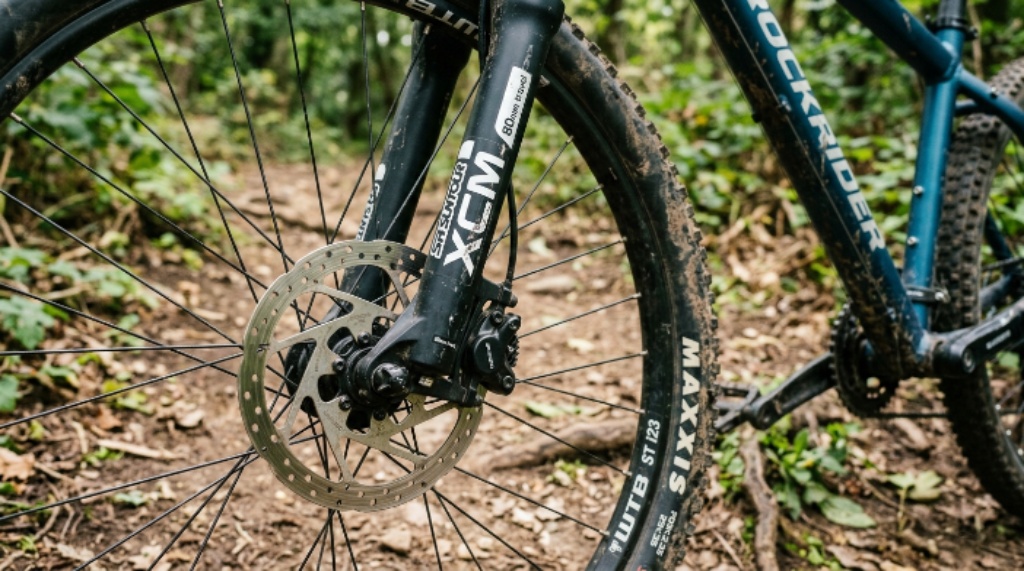
Technology that was once reserved for high-end bikes has trickled down to entry-level models. Hydraulic disc brakes, lightweight aluminum frames, and decent suspension forks are now common even on bikes under $600. Therefore, a careful buyer can find real value without settling for junk.
The key is knowing where quality matters and where you can afford to compromise. Not all components are created equal, and some are much easier to upgrade later than others.
Set a Realistic Budget Before You Shop
Before browsing any bike, decide how much you are willing to spend. A realistic range for a capable entry-level mountain bike sits between $400 and $900. Below $400, most bikes use heavy steel frames and weak components that break quickly. Above $900, you enter mid-range territory where the gains are real but not always necessary for a beginner.
Additionally, factor in the cost of gear. A helmet, gloves, and basic tools add another $100 to $150 to your total spend. It is better to know this upfront than to be caught off guard after checkout.
Think of your budget as a starting point, not a ceiling. Sometimes a slightly higher investment saves you money in the long run because you avoid replacing cheap parts after just a few rides.
The Most Important Things to Check on Any Mountain Bike
Frame Material
The frame is the foundation of every bike. For budget riders, aluminum alloy is the sweet spot. It is lightweight, rust-resistant, and strong enough to handle trail riding. Avoid heavy steel frames at this price point unless you are buying a vintage or classic model. Carbon fiber frames are out of reach for most budget builds, and that is perfectly fine.
Suspension Type
Mountain bikes come in three suspension styles: hardtail, full suspension, and rigid. For budget buyers, a hardtail is almost always the right choice. Hardtails have a suspension fork in the front and a rigid rear frame. They are more efficient on climbs, easier to maintain, and cheaper to produce. Full suspension bikes at budget prices often use low-quality rear shocks that add weight and headaches rather than comfort.
Wheel Size
Modern mountain bikes come in 26-inch, 27.5-inch, and 29-inch wheel sizes. For most adult riders, 27.5-inch or 29-inch wheels are the better choice. Larger wheels roll over obstacles more smoothly and maintain speed better on trails. However, shorter riders may find 27.5-inch wheels easier to handle.
Brakes
Disc brakes are a must for trail riding. They perform reliably in wet and muddy conditions unlike rim brakes. Hydraulic disc brakes offer better modulation and require less hand effort, but mechanical disc brakes are also a solid option and easier to adjust at home. Avoid any bike with rim brakes if you plan to ride off-road regularly.
Gear Range
Entry-level mountain bikes typically come with 1x (one chainring front, multiple rear) or 3x drivetrains. A 1x drivetrain is simpler and easier to use on trails. Look for at least 8-speed rear gearing. More speeds give you better control on steep climbs and fast descents.
Where to Buy: Your Options Explained
Local Bike Shops
Buying from a local bike shop (LBS) has real advantages. Staff can fit you properly to the bike, assemble it correctly, and provide after-sale support. You also get to test ride before buying. Prices may be slightly higher, but the service is often worth it.
Online Retailers
Brands like Trek, Giant, Specialized, and Diamondback sell directly online at competitive prices. Online shopping gives you access to a wider selection. However, you will need to assemble the bike yourself or pay a local shop to do it. Read reviews carefully and check the return policy before buying.
Second-Hand Markets
Used bikes can offer incredible value. Platforms like Facebook Marketplace, Craigslist, and local cycling groups often list quality bikes at half the original price. When buying used, inspect the frame for cracks, check the brakes and shifting, and spin the wheels to look for wobbles. If something feels off, walk away.
Brands Worth Considering for Budget Builds
Several brands consistently deliver quality at lower price points. Trek’s Marlin series, Giant’s Talon line, and Specialized’s Rockhopper are frequently recommended as cheap durable bikes that hold up well over years of riding. Co-op Cycles from REI also offers excellent value, especially for members who get a dividend back on purchases.
Lesser-known brands like Vitus, Polygon, and Marin also produce impressive budget options. These brands often offer better component specs at the same price because they spend less on marketing.
Red Flags to Avoid When Shopping
Not every cheap bike is a good deal. Watch out for these warning signs:
- A full-suspension bike priced under $400 (the suspension will be nearly useless)
- Very heavy frames over 14 kg (31 lbs) without a clear reason
- Brands with no customer service contact or warranty information
- Bikes sold only through big-box stores with no component specifications listed
- Suspiciously low prices with no user reviews or only five-star reviews from new accounts
If a deal looks too good to be true, it almost certainly is. Cheap, unbranded bikes from unknown sources break down fast and cost more to fix than they are worth.
How to Make a Budget Bike Last Longer
Buying the bike is just the beginning. Maintaining it properly extends its life significantly. Clean the chain after every muddy ride. Lubricate moving parts regularly. Check your brake pads every month. Tighten bolts before each ride. These habits take only a few minutes but save you from expensive repairs down the road.
Additionally, learn basic home repairs. Changing a flat tire and adjusting brakes are skills every rider should have. YouTube tutorials make these tasks accessible even for total beginners.
When you outgrow your current setup, upgrade components one at a time rather than buying a whole new bike. A better saddle, grips, or pedals can dramatically improve the ride feel without breaking the bank.
Conclusion
Finding a great mountain bike on a budget is about being smart, not just being cheap. Set a clear budget, prioritize frame quality and brake performance, and choose a reputable brand. Whether you explore an affordable MTB from a local shop or hunt for deals online, the right bike is out there waiting for you. Avoid the red flags, maintain what you buy, and you will enjoy years of great riding without spending a fortune. The trails do not care how much your bike cost — only how much fun you have riding it.
Frequently Asked Questions
What is a good price range for a beginner mountain bike?
For a reliable beginner mountain bike, aim to spend between $400 and $800. Bikes in this range offer aluminum frames, disc brakes, and decent drivetrains that hold up well on trails without requiring constant repairs.
Is a hardtail better than full suspension for beginners?
Yes, for most beginners a hardtail is the better choice. It is lighter, more efficient, easier to maintain, and less expensive. Full suspension bikes at low price points often use poor-quality rear shocks that create more problems than they solve.
Can I find a quality used mountain bike under $300?
Yes, it is possible. Platforms like Facebook Marketplace and Craigslist sometimes list quality used bikes at steep discounts. However, always inspect the frame, brakes, and drivetrain carefully before buying, or bring along an experienced cyclist to help evaluate the condition.
What wheel size is best for trail riding?
For most adult riders, 29-inch wheels are excellent for trail riding because they roll over obstacles smoothly and hold momentum well. Riders under 5’6″ may prefer 27.5-inch wheels for better handling and maneuverability.
How often should I service my mountain bike?
Clean and lubricate your chain after every ride in wet or muddy conditions, and at least every 5 to 10 rides in dry conditions. Check brakes and bolts monthly. A full service at a bike shop once a year is recommended to catch any issues before they become serious problems.
Related Topics:
How to Set Up a Home Golf Practice Mat for Daily Training
How to Find the Best Cycling Shorts for Women Under Budget (2026 Guide)


