

Skateboarding, often seen as a rebellious pastime or an artistic expression, is more than just tricks and flips. It’s a physically demanding activity that provides a surprisingly comprehensive workout. So, if you’re wondering if grabbing a board counts as legitimate exercise, the answer is a resounding yes!
A Full-Body Engagement
Think about the movements involved in skateboarding:
- Pushing: Propelling yourself forward engages your leg muscles, particularly your quads, hamstrings, and calves. This repetitive motion builds strength and endurance, similar to cycling or running.
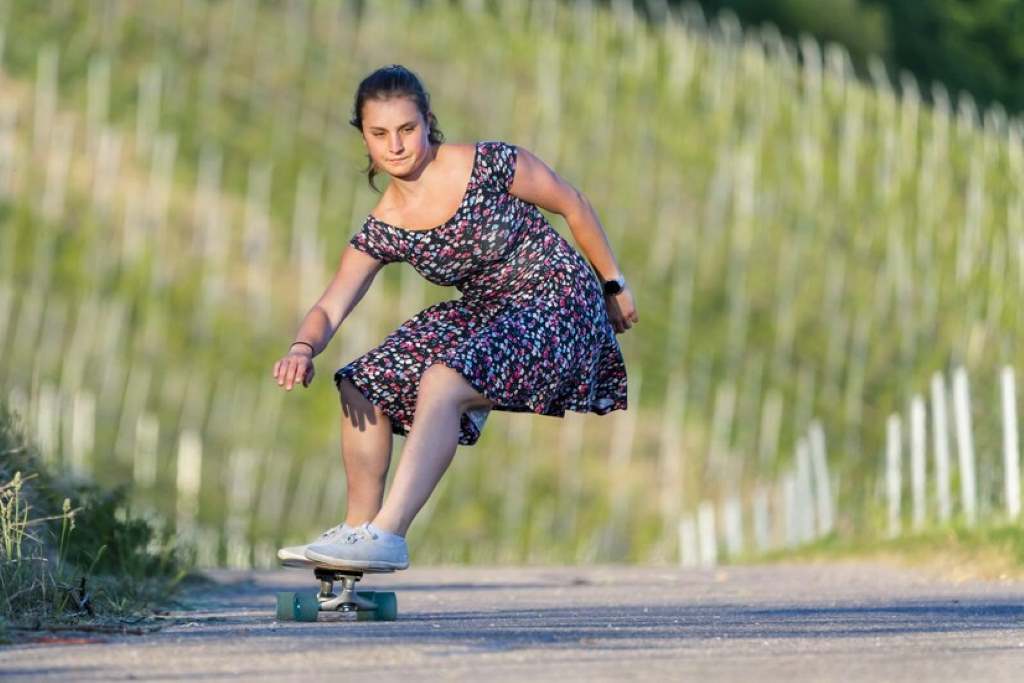
- Balancing: Staying upright on a moving board requires constant adjustments from your core, ankles, and feet. This strengthens your core muscles, improves stability, and enhances your overall balance.
- Maneuvering: Whether you’re carving turns or performing tricks, you’re using your arms, shoulders, and upper body to maintain control and execute movements. This builds upper body strength and coordination.
- Jumping and Landing: Ollies, kickflips, and other tricks involve explosive jumps and controlled landings, enhancing your power, agility, and coordination. When practicing these movements, you might wonder how much faster skateboarding is than walking, as the combination of speed and skill allows skaters to cover distances much more quickly while executing impressive tricks.
Cardio in Disguise
While it might not feel like traditional cardio, skateboarding gets your heart pumping and burns calories.
- Constant Movement: Even cruising around requires continuous physical exertion, elevating your heart rate and improving cardiovascular health.
- Interval Training: Skateboarding naturally incorporates bursts of high-intensity activity (like performing tricks or skating up ramps) followed by periods of lower intensity (cruising or resting). This type of interval training is highly effective for burning calories and improving fitness.
More Than Muscles: The Hidden Benefits
Beyond the physical advantages, skateboarding offers a range of other benefits:
- Mental Focus: Landing a trick requires concentration, precision, and perseverance. This helps improve focus, determination, and mental resilience.
- Stress Relief: The physical exertion and sense of accomplishment from mastering new skills provide a great way to relieve stress and boost your mood.
- Creativity and Self-Expression: Skateboarding allows for creativity and self-expression, whether it’s through developing your own style or exploring new tricks.
- Community and Social Connection: Skateboarding often involves a strong sense of community, providing opportunities to connect with others who share your passion.
Skateboarding vs. Traditional Exercise
Compared to gym workouts or structured exercise routines, skateboarding offers a unique and engaging alternative:
- Fun Factor: For many, skateboarding doesn’t feel like a chore. The enjoyment and sense of accomplishment make it easier to stay active and motivated.
- Variety and Adaptability: Skateboarding can be adapted to different skill levels and preferences. You can cruise, practice tricks, explore different terrains, or simply enjoy the ride.
- Accessibility and Affordability: Compared to gym memberships or specialized equipment, skateboarding is relatively affordable and accessible. All you need is a board and a safe place to skate.
Safety First: Protecting Yourself While Shredding
While skateboarding offers numerous benefits, it’s crucial to prioritize safety:
- Protective Gear: Always wear a helmet, knee pads, and elbow pads to minimize the risk of injuries.
- Start Slowly: Begin with the basics and gradually progress to more challenging tricks as your skills and confidence grow.
- Choose Safe Locations: Skate in designated skateparks or areas free from obstacles and hazards.
- Warm Up and Cool Down: Prepare your body for activity with a proper warm-up and cool down to prevent injuries.
- Listen to Your Body: Take breaks when needed and don’t push yourself beyond your limits.
Getting Started: Roll into Fitness
Ready to give skateboarding a try? Here are some tips for beginners:
- Choose the Right Board: Select a board that’s appropriate for your size and intended use.
- Learn the Basics: Start with pushing, balancing, and turning before attempting tricks.
- Find a Good Teacher: Consider taking lessons from a qualified instructor or learning from experienced skaters.
- Be Patient and Persistent: Skateboarding takes time and practice. Don’t get discouraged if you don’t master tricks right away.
- Have Fun! Enjoy the process of learning and exploring this exciting activity.
Conclusion
Skateboarding is more than just a sport or a hobby; it’s a dynamic and engaging way to improve your physical and mental well-being. Whether you’re looking for a fun way to get in shape, challenge yourself, or express your creativity, Skateboardtrends offer a unique and rewarding experience. So, grab a board, embrace the challenge, and roll your way to a healthier and happier you.


