
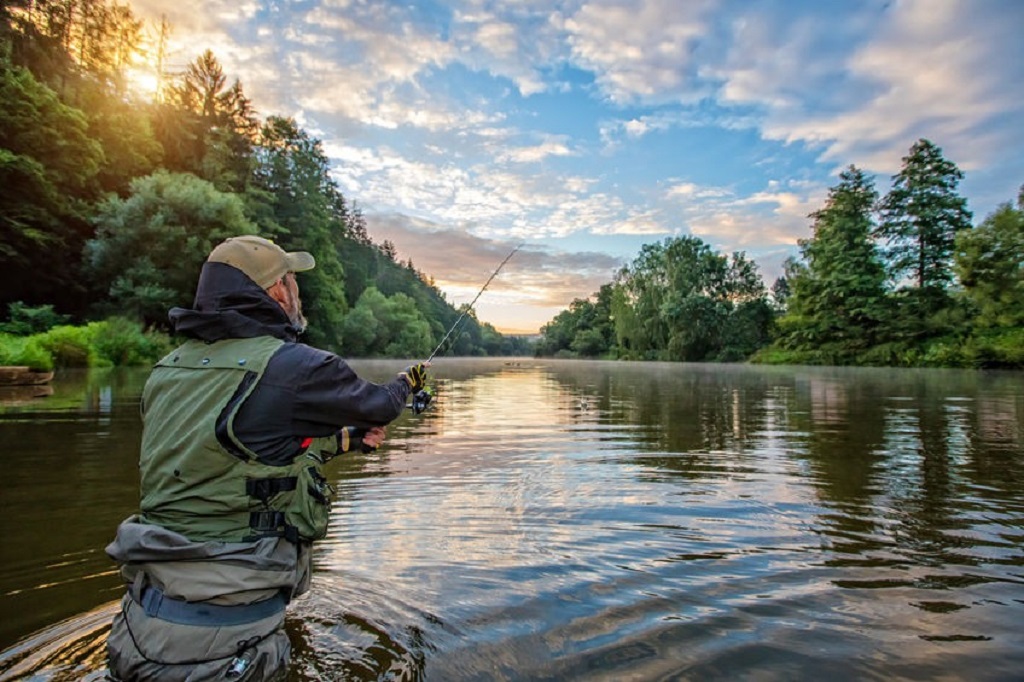
Fishing is one of the world’s most beloved outdoor pastimes. It combines relaxation, patience, and skill in a way few hobbies can match. According to the Recreational Boating & Fishing Foundation, over 54.5 million Americans went fishing in 2022 alone. However, most beginners struggle to catch anything not because the fish aren’t biting—but because of avoidable mistakes. This guide breaks down the 5 common fishing mistakes beginners make and how to fix them, helping you fish smarter and land more catches.
-
Using the Wrong Fishing Gear
One of the biggest mistakes new anglers make is using the wrong gear for the fish species or water conditions. Many beginners assume any rod, reel, and line combo will work for all types of fishing. Unfortunately, it doesn’t.
A medium-heavy spinning rod might be ideal for bass but too stiff for panfish. Similarly, using a braided line in clear water can spook fish, while monofilament may stretch too much for saltwater fishing.
How to Fix It:
Match your gear to your target species and environment. For freshwater trout, use an ultralight spinning rod with 4–6 lb monofilament. For saltwater redfish, switch to a medium-heavy rod with fluorocarbon leader and braided mainline.
-
Ignoring Weather and Water Conditions
Many new anglers overlook the impact of weather and water on fish behavior. Fish respond to changes in barometric pressure, water temperature, light levels, and currents.
For instance, bass feed aggressively before a cold front, but become sluggish after. Wind direction affects baitfish movement, which in turn impacts predator locations. Cloudy days often make fish less cautious, while sunny conditions can push them deeper.
How to Fix It:
Always check the weather before heading out. Use apps like Windy or Fishbrain to plan your trip. Understand seasonal patterns—spring and fall usually bring better action. If fishing in summer heat, target early mornings or late evenings when fish are more active.
Also, observe the water. Murky water might call for brighter lures or stronger scents. Clear water might require stealth and natural colors. Adapting to conditions gives you a huge advantage.
-
Poor Casting Techniques
Casting seems simple until you’re in the moment and your lure ends up in a tree—or worse, lands with a splash that scares everything away.
Most beginners either use too much force, cast too short, or fail to consider wind direction. This leads to tangled lines, missed hotspots, and lost opportunities.
How to Fix It:
Practice casting in an open area before hitting the water. Focus on smooth motions instead of brute strength. Sidearm casts can reduce wind resistance, especially on breezy days. Learn to feather the line with your finger to soften the landing.
Start by targeting visible structure like rocks, docks, or vegetation. These are fish magnets, and casting accurately toward them increases your strike chances significantly. Accurate casting, over time, becomes muscle memory.
-
Impatience and Overworking the Lure
A common beginner mindset is: “If the lure’s not moving, it’s not working.” But in reality, too much movement can drive fish away. Many species prefer slow, natural presentations, especially in cold water or pressured environments.
Beginners often reel too fast, jerk the rod constantly, or keep moving spots every few casts. These habits prevent lures from doing their job and give fish no time to strike.
How to Fix It:
Slow down. Give the lure time to work. Use pause-retrieve techniques, twitch your bait subtly, or try deadsticking (letting it sit). Observe how professionals fish on platforms like YouTube or channels like Wired2Fish.
Additionally, stay in one spot a little longer, especially if the location looks promising. Fish don’t always bite instantly—they may be observing before striking. Patience turns average anglers into great ones.
-
Not Knowing Local Fish Laws or Ethics
It’s surprisingly common for new anglers to overlook regulations like catch limits, protected species, or seasonal closures. Beyond legality, there’s also the ethical side—catch and release practices, handling fish properly, and not disturbing spawning beds.
Breaking rules can result in heavy fines or contribute to fish population decline. Ethical errors like holding fish by the gills or overplaying them can lead to unintentional death, even if released.
How to Fix It:
Before fishing any new body of water, check local regulations at state wildlife agency websites. Always carry a valid license and understand size and bag limits.
Learn proper handling: wet your hands before touching fish, use barbless hooks where required, and minimize air exposure. Follow the mantra: catch, photo, release—with care.
These small changes protect the sport and preserve fish populations for future generations.
Read More Also: AI Powered Tools Changing the Game for Retail Traders
Most Asked FAQs About Fishing Mistakes
-
How can I stop my fishing line from tangling so often?
Check your reel for line twist. Close the bail by hand after each cast and avoid reeling against drag.
-
Why do I keep losing fish after hooking them?
You’re likely setting the hook too late or using the wrong hook size. Match hook type to your bait and fish species.
-
How do I know which bait to use?
Study the fish’s natural diet. Use live worms for panfish, soft plastics for bass, or cut bait for catfish.
-
Should I fish during rain or avoid it?
Light rain can boost feeding activity by reducing visibility. Heavy downpours, though, often slow the bite.
-
Do I need a fish finder as a beginner?
Not necessarily. Look for signs like birds diving or fish jumping. Learn to read structure and water movement first.
-
What’s the best way to learn more about fishing?
Watch experienced anglers on YouTube, read articles from Field & Stream, or join local fishing groups for firsthand tips.
-
How often should I change my fishing line?
Change mono every 6 months, fluoro once a year, and braid every 1–2 years. UV and water degrade line strength over time.
Read More Also: How to Translate a C3PAO’s Findings into Real Security Improvements
Final Thought
Mastering the water takes time, but every angler starts somewhere. The 5 common fishing mistakes beginners make and how to fix them aren’t hard to overcome—but you must be willing to learn, observe, and adapt. Fishing is more than casting a line; it’s about understanding nature, developing patience, and fine-tuning your instincts.
Avoid these pitfalls, and you’ll not only catch more fish—you’ll enjoy the experience even more. Whether you’re casting from a riverbank or drifting on open water, every lesson learned brings you closer to becoming the angler you want to be.