

Teaching requires juggling countless materials, supplies, and personal items throughout the day. From lesson plans and grading papers to markers, tablets, and lunch containers, educators carry an impressive array of essentials. The right bag can transform this daily challenge into an organized system that saves time and reduces stress.
Many teachers struggle with disorganized bags that turn simple tasks into frustrating searches. A properly designed bag with multiple compartments creates designated spaces for everything you need. This organization translates directly into classroom efficiency, allowing you to focus on what matters most: teaching your students.
This comprehensive guide will help you select the perfect bag that keeps your teaching materials organized, accessible, and protected. Whether you’re a new teacher setting up your first classroom or a veteran educator looking to upgrade your daily carry system, understanding what features matter most will help you make an informed decision.
Understanding Your Daily Carrying Needs
Before exploring specific bag features, take time to assess what you actually carry each day. Every teacher’s needs differ based on grade level, subject matter, and teaching style. Elementary teachers often carry craft supplies and picture books, while high school teachers might focus on technology and reference materials.
Make a list of everything you bring to school regularly. Include the obvious items like your laptop and planner, but also consider smaller essentials like pens, sticky notes, and personal items. This inventory helps you determine how much storage space you truly need.
Think about your daily routine as well. Do you move between multiple classrooms? Will you carry this bag through parking lots, up stairs, or on public transportation? Your commute and movement patterns should influence your choice just as much as storage capacity.
Consider seasonal variations too. You might need extra space for outdoor supervision equipment in spring or additional layers during winter months. A bag that works perfectly in September might feel inadequate by January if you haven’t planned for these fluctuations.
Essential Compartment Features for Teachers
The key to classroom efficiency lies in having specific spaces for specific items. Random pockets won’t help if they’re the wrong size or in inconvenient locations. Understanding which compartment types matter most will guide your selection process.
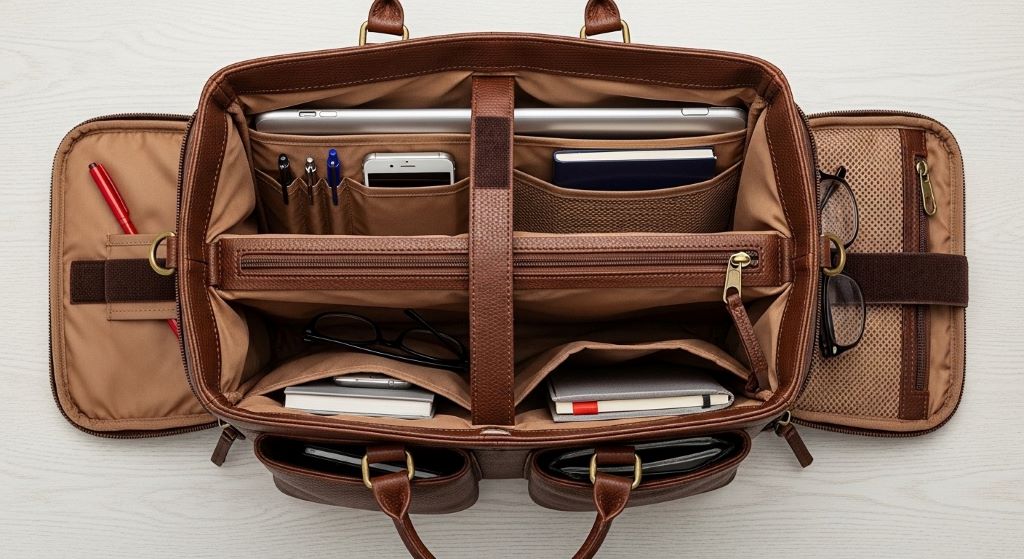
Divided tote bags offer versatility that teachers appreciate. These bags feature internal separators that create distinct sections within a larger space. This design prevents smaller items from getting lost in the bottom while keeping heavier materials separated. Look for bags with removable dividers that let you customize the layout based on your changing needs throughout the school year.
A dedicated laptop or tablet sleeve provides crucial protection for your technology. This padded compartment should fit your device snugly without excess space that allows movement. Many quality bags include additional padding on the bottom and sides to protect against bumps during your commute.
Quick-access pockets on the exterior save precious time. These spots are perfect for items you need frequently throughout the day, like your phone, keys, identification badge, or hand sanitizer. Position matters here; pockets should be easy to reach without removing the bag from your shoulder.
Water bottle pockets prevent spills and keep liquids away from important papers. These specialized compartments usually feature elastic or mesh material that expands to fit different bottle sizes. Having this separation protects your materials from potential disasters.
Choosing Between Different Bag Styles
Teachers have several bag style options, each with distinct advantages. Your choice depends on how much you carry, your personal style preferences, and any physical considerations like back or shoulder issues.
Structured teacher handbags provide a professional appearance while maintaining organization. These bags hold their shape even when not completely full, making it easier to find items quickly. The rigid structure also protects delicate materials and technology better than soft bags. However, they typically offer less flexibility for overpacking when you need to bring extra materials home.
Backpack-style bags distribute weight evenly across both shoulders, making them ideal for teachers who carry heavy loads or have longer commutes. Modern professional backpacks have evolved beyond student designs, offering sophisticated looks appropriate for educational settings. The even weight distribution reduces strain on your back and shoulders compared to single-shoulder bags.
Tote bags with long straps offer easy access and simple organization. You can quickly see everything inside when the bag is open. Additionally, totes transition well from classroom to after-school activities. The downside is that weight rests on one shoulder, which can become uncomfortable with heavier loads.
Rolling bags solve the weight problem entirely by letting you wheel your materials instead of carrying them. These work well for teachers who transport large quantities of materials or have mobility concerns. However, stairs, crowded hallways, and rough terrain make rolling bags less practical for some school environments.
Material Considerations for Durability and Maintenance
The material your bag is made from affects both its longevity and maintenance requirements. Teachers need bags that withstand daily use throughout the school year and beyond.
Canvas offers durability and a classic aesthetic. It handles heavy loads well and typically costs less than leather alternatives. However, canvas can stain easily and may not hold up well in rainy weather without additional water-resistant treatment. Many teachers appreciate how canvas ages, developing character over time.
Nylon provides water resistance and lightweight portability. This synthetic material cleans easily and dries quickly when exposed to moisture. Nylon bags often cost less than natural materials while offering excellent durability. The trade-off is that nylon may look less professional than leather or canvas options.
Leather creates a polished, professional appearance that improves with age. Quality leather bags last for many years when properly maintained. They handle daily wear better than most alternatives. Nevertheless, leather typically costs significantly more and requires regular conditioning to prevent cracking and drying.
Polyester blends combine various beneficial properties into affordable packages. Modern polyester bags can look surprisingly sophisticated while offering water resistance, easy cleaning, and lightweight construction. These materials work particularly well for teachers on a budget who still need durability and functionality.
Organizing Papers and Documents Effectively
Teachers work with enormous amounts of paperwork. Permission slips, handouts, graded assignments, and lesson plans all need protection and organization during transport. File organizer bags specifically address this common challenge with features designed for paper management.
Look for bags with rigid file compartments that keep papers flat and uncreased. These sections should be wide enough to accommodate standard letter-size documents without folding. Some bags include accordion-style expanding files built directly into the design, offering multiple slots for different classes or subjects.
Interior zippered pockets provide secure storage for important documents that shouldn’t mix with general papers. Report cards, confidential student information, and professional certificates need this extra protection. These pockets keep sensitive materials separate and secure during your commute.
Consider bags with exterior document sleeves as well. These slim pockets on the front or back of the bag offer easy access to frequently referenced materials like daily schedules, seating charts, or emergency procedures. Having these items readily available without opening your entire bag saves time throughout the day.
Magnetic closures or zippered tops prevent papers from sliding out when you set your bag down. Open-top bags might seem convenient, but they risk spilling contents if knocked over or tipped. Therefore, some form of secure closure provides peace of mind, especially during busy mornings.
Balancing Size and Portability
Finding the right size means balancing capacity with practicality. A bag that holds everything but weighs you down isn’t truly efficient. Similarly, a perfectly lightweight bag that can’t fit your essentials won’t improve your classroom organization.
Measure your largest regular items before shopping. Your laptop dimensions, largest textbooks, or bulkiest supplies set the minimum size requirements. Add a few inches to these measurements to ensure comfortable fit with room for additional items.
Consider daily versus occasional carrying needs separately. You might need to bring home a large stack of papers once a week but carry only essentials the other four days. Some teachers solve this by having a smaller daily bag and a larger weekend grading bag rather than using an oversized bag every single day.
Weight matters more than many people initially realize. An empty bag that weighs several pounds becomes burdensome when filled with teaching materials. Lightweight construction materials and smart design minimize the bag’s base weight, leaving more of your carrying capacity for actual teaching supplies.
Test the bag’s weight distribution if possible. A well-designed bag carries weight close to your body and distributes it evenly. Poorly designed bags pull away from your body or concentrate weight in uncomfortable spots, leading to strain even with moderate loads.
Practical Features That Enhance Daily Use
Beyond basic organization, certain practical features significantly improve a bag’s functionality for teachers. These thoughtful design elements might seem minor individually but collectively make substantial differences in daily convenience.
Padded straps prevent shoulder discomfort during extended carrying. Wide straps distribute weight better than thin ones, reducing the pressure on your shoulder. Adjustable straps let you customize the fit for different outfits and carrying preferences throughout the year.
Interior key clips keep small essentials from disappearing into the depths of your bag. These simple attachments save countless minutes otherwise spent digging for keys at the end of long school days. Many teachers also use these clips for USB drives, small chargers, or identification badges.
Pen loops inside the bag create designated spots for writing instruments. Having pens and markers secured in specific locations means you’ll always know where to find them. This organization proves especially valuable during busy teaching moments when you need supplies immediately.
Trolley sleeves on the back of bags allow you to slide them over rolling suitcase handles. This feature proves invaluable for teachers who travel for conferences or professional development. Even if you don’t travel frequently, it can be useful when bringing extra materials for special events.
Reflective strips or bright colors enhance visibility during early morning or late afternoon commutes. Safety features might not seem directly related to classroom efficiency, but staying safe during your commute ensures you arrive ready to teach. This consideration becomes particularly important during darker winter months.
Budget Considerations and Investment Value
Quality bags represent an investment in your professional life and personal wellbeing. Understanding where to allocate your budget helps you get the best value without overspending on unnecessary features.
Set a realistic budget before shopping. Quality teacher bags typically range from fifty to two hundred dollars. Very inexpensive bags often lack durability and thoughtful organization features. However, extremely expensive designer bags might include fashion elements you’re paying for that don’t enhance functionality.
Calculate cost per use to evaluate true value. A more expensive bag that lasts five years costs less per day than a cheap bag you replace annually. Additionally, a well-organized bag saves time daily, which has its own value in reducing stress and improving work-life balance.
Consider warranty and return policies when comparing options. Reputable manufacturers stand behind their products with generous warranties. The ability to return or exchange a bag that doesn’t meet your needs protects your investment.
Watch for teacher discounts and back-to-school sales. Many retailers offer special pricing for educators, especially during summer months. These savings can make higher-quality options more affordable. Don’t hesitate to ask about educator discounts even if they’re not advertised.
Maintaining Your Investment Over Time
Proper care extends your bag’s lifespan and maintains its professional appearance. A few simple maintenance habits keep your organizational system functioning smoothly throughout your teaching career.
Empty and clean your bag regularly, ideally once per month. Remove everything, shake out crumbs and debris, and wipe down interior surfaces. This practice prevents buildup of dirt and allows you to reassess your organizational system. You might discover items you no longer need or find better ways to arrange your compartments.
Treat stains promptly to prevent them from setting. Different materials require different cleaning approaches, so follow manufacturer instructions. Keep cleaning supplies appropriate for your bag’s material at home so you can address spills and marks quickly.
Store your bag properly during breaks and summer vacation. Stuff it with tissue paper to maintain shape, and keep it in a cool, dry place away from direct sunlight. This protection prevents warping, cracking, or fading that can occur during long storage periods.
Rotate bags if you own multiple options. Using different bags for different purposes or seasons distributes wear and extends each bag’s lifespan. Many teachers have a heavier-duty bag for days when they transport more materials and a lighter option for minimal-carrying days.
Check hardware and stitching periodically for signs of wear. Catching small problems early prevents complete failures. Many issues like loose straps or stuck zippers can be repaired inexpensively if addressed quickly. Waiting until something breaks completely often means replacement rather than simple repair.
Personalizing Your Organizational System
Once you’ve selected the right bag, customizing it to match your specific teaching style maximizes its efficiency. The best organizational system is one you’ll actually use consistently.
Label interior compartments if the divisions aren’t immediately obvious. Small tags or labels help you remember where specific items belong, especially when you’re first establishing new organizational habits. This labeling proves particularly helpful after long weekends or breaks when you might forget your system.
Use smaller pouches or containers within larger compartments to create sub-categories. Small zippered bags keep similar items together, like all your markers in one pouch and charging cables in another. This approach prevents small items from scattering throughout larger spaces.
Establish a specific home for each type of item and stick to it consistently. Your phone always goes in the exterior right pocket, grading papers always in the back file section, and so forth. This consistency creates automatic habits that save time and mental energy throughout your day.
Review and adjust your system monthly. Your organizational needs change throughout the school year. The system that worked perfectly in September might need tweaking by November. Stay flexible and willing to modify your approach as your teaching circumstances evolve.
Making Your Final Selection
Armed with knowledge about features, materials, and organizational strategies, you’re ready to choose the bag that will serve you best. Take time with this decision since your teacher bag becomes a daily companion throughout your career.
Read reviews from other teachers before purchasing. Educator-specific feedback provides insights you won’t find in general product reviews. Teachers often mention practical considerations that only someone with classroom experience would notice.
If possible, try bags in person before buying. Online shopping offers convenience and selection, but handling a bag reveals details that pictures can’t convey. Weight, strap comfort, and overall feel become apparent only through physical interaction.
Start your search well before you need the bag. Rushing leads to compromise on features that matter. Shopping during off-peak seasons often provides better selection and pricing than last-minute back-to-school purchases.
Conclusion
Choosing the right teacher bag with proper compartments significantly impacts your daily efficiency and professional comfort. Understanding your specific carrying needs, evaluating essential features, and selecting appropriate materials creates an organizational foundation that supports your teaching practice.
Divided tote bags, structured teacher handbags, and file organizer bags each offer unique advantages depending on your personal requirements. The perfect choice balances capacity with portability, organization with accessibility, and professional appearance with practical functionality.
Remember that your ideal bag combines thoughtful compartmentalization with durable construction and comfortable carrying features. Taking time to select the right option, maintaining it properly, and customizing the organizational system to your teaching style creates a tool that enhances rather than hinders your classroom efficiency.
Investing in a quality teacher bag represents an investment in your professional wellbeing and daily comfort. The right bag simplifies material management, reduces stress, and allows you to focus your energy where it belongs: educating and inspiring your students.
Frequently Asked Questions
What size bag do most teachers need for daily classroom use?
Most teachers find that bags measuring approximately 15 to 18 inches wide work well for daily needs. This size accommodates a laptop, several folders or notebooks, and personal essentials without becoming unwieldy. However, elementary teachers who carry more manipulatives and supplies might need larger capacity, while high school teachers who rely primarily on digital materials might prefer something more compact.
How many compartments should a good teacher bag have?
An effective teacher bag typically includes five to eight distinct compartments or pockets. This should include at least one large main section, a padded technology sleeve, two to three medium interior pockets, and several small exterior pockets for quick-access items. Having too many compartments can actually reduce efficiency if they’re poorly designed or redundant.
Are expensive teacher bags worth the investment?
Quality bags priced between one hundred and two hundred dollars often provide the best balance of durability, organization, and comfort. These mid-to-high range options typically last three to five years with proper care. While less expensive bags might seem economical initially, replacing them annually or dealing with poor organization often costs more in the long run both financially and in daily frustration.
Can I use a regular tote bag for teaching or do I need a specialized teacher bag?
Regular tote bags can work for teaching if they include sufficient organization features. The key is having compartments that protect technology, separate papers from other items, and provide quick access to essentials. Many teachers successfully use regular totes by adding organizational inserts or pouches to create divisions. However, bags designed specifically for teachers often include thoughtful features that generic totes lack.
How do I prevent my teacher bag from becoming too heavy?
Conduct a weekly review of your bag contents and remove items you’re not actually using. Keep only current papers and materials, leaving archives at school or home. Consider digitizing materials when possible to reduce paper weight. Additionally, evaluate whether you need to carry your entire laptop or if a tablet could meet your needs on certain days. Finally, choose a lightweight bag material that doesn’t add unnecessary base weight before you even add your supplies.
Related Topics:
Does Ultrasonic Cleaning Really Work for Designer Bags? Unveiling the Truth


