

Your kitchen towels are the workhorses of your home, but if you live in a humid climate like Florida, they face a daily battle against moisture, mildew, and that dreaded musty smell. You’ve probably noticed that standard cotton towels turn stiff, sour, or even develop mold spots within weeks. That’s because humidity creates the perfect breeding ground for bacteria and mold, which wreaks havoc on fabrics not designed to dry quickly or resist microbial growth. The solution isn’t to buy the cheapest pack available, but to intelligently select durable kitchen towels humid climate conditions demand. You need fabrics that wick moisture, dry fast, and withstand repeated washing without losing their integrity. Let’s break down the exact science and material choices that will save you money and frustration.
What Makes a Kitchen Towel Fail in High Humidity?
Standard cotton, especially the cheap, thin kind, is a sponge for ambient moisture. In a humid kitchen, these towels never fully dry between uses, leading to a rapid cycle of bacterial growth and fiber degradation. The key to durability in this environment is choosing towels designed with moisture management in mind, preventing the breakdown before it starts.
The Problem with Traditional Cotton
Conventional 100% cotton towels, while absorbent, hold onto water for extended periods. In humidity above 60%, they stay damp for hours after use. This prolonged dampness weakens the cotton fibers, causing them to fray, pill, and eventually tear. More importantly, the damp environment allows bacteria to multiply, which not only creates odors but also breaks down the cellulose in the cotton, ruining the towel’s fabric structure. The result is a towel that feels rough, looks old, and fails to absorb properly after just a few weeks.
Mold and Mildew: The Silent Killers
Mildew isn’t just an aesthetic issue; it’s a structural one. When mold spores land on a damp towel, they root themselves into the fibers. Once established, they are incredibly difficult to remove, even with bleach. The mold feeds on the cotton, creating weak spots that cause holes. Over time, the towel will literally rot. Selecting an antimicrobial or fast-drying fabric is not a luxury; it’s a necessity for extending the lifespan of your kitchen linens.
How Fiber Density Affects Longevity
All towels are woven, but the density of the weave matters significantly. A low-GSM (grams per square meter) towel has a loose weave, allowing it to dry faster, but it also has less material to hold up against friction. A high-GSM towel is thicker and more plush, but takes much longer to dry, which is counterproductive in humidity. Finding the Goldilocks zone—around 400-500 GSM—provides enough substance for durability without the excessive drying time that leads to mildew.
Which Fabrics Are Best for Humid Climates?
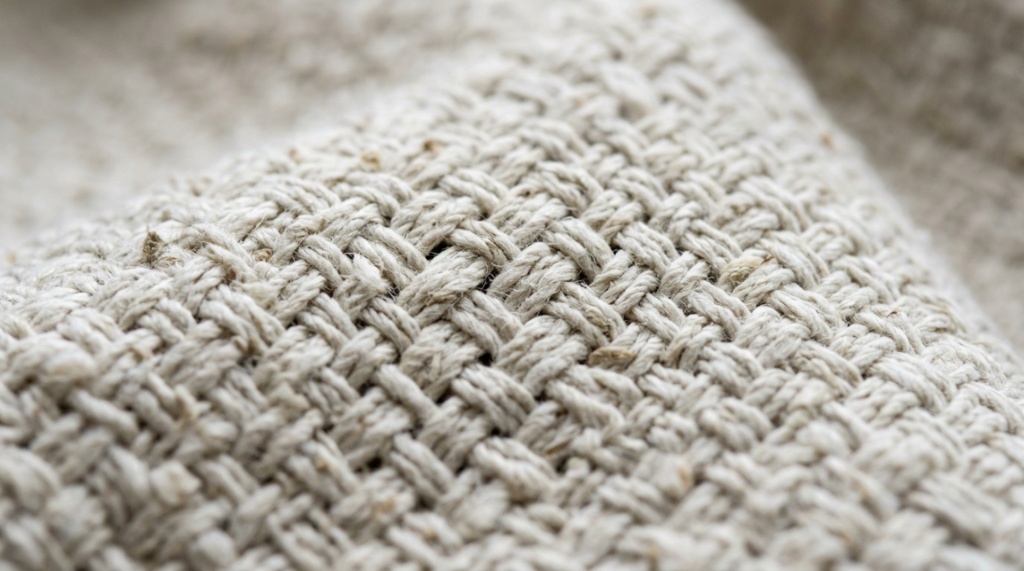
To survive humidity, you need a fabric that repels water or dries very quickly, while also resisting microbial growth. Cotton blends and synthetic fibers are the unsung heroes here, offering the absorbency you need without the soggy aftermath.
Why Linen Is a Superior Choice
Linen is a natural fiber derived from the flax plant. Unlike cotton, it is highly breathable and has a hollow structure that wicks moisture away from the surface quickly. This means linen towels dry significantly faster than cotton, reducing the window for mildew development. While linen starts stiff, it softens with each wash, becoming more absorbent and durable over time. In high humidity, linen’s ability to release moisture into the air faster than cotton makes it a top-tier contender.
The Rise of Performance Microfiber
Microfiber (typically a blend of polyester and polyamide) is engineered for quick drying. It has an incredibly fine fiber structure that creates a large surface area for absorbing spills instantly. Because it is synthetic, it does not absorb water into its core the way cotton does; it traps it on the surface, where it can evaporate quickly. Microfiber is also inherently resistant to mold and bacteria, making it one of the most durable kitchen towels humid climate options available today, provided you choose a high-quality weave that doesn’t snag easily.
Are Bamboo Towels Worth the Hype?
Bamboo viscose is often marketed as eco-friendly and antibacterial. Because it is highly porous, it dries quickly and is softer than cotton. However, bamboo fibers can be fragile when wet. If you pull hard on a bamboo towel while damp, it can tear. For kitchen use, where you might wring out the towel, this fragility can be a downside. It is a good option for light use, but for heavy-duty kitchen tasks in humidity, a linen or microfiber blend will handle more stress.
Cotton Blends That Offer the Best of Both Worlds
Don’t discount cotton entirely. A cotton-polyester blend (usually 60% cotton, 40% polyester) offers the absorbency of cotton with the quick-drying, shape-retaining properties of polyester. The polyester fibers act as a skeleton, preventing the towel from collapsing into a soggy heap. This blend is also less prone to shrinking and tearing, making it a practical and affordable choice for everyday durability.
How to Test Towel Durability Before Buying?
You don’t need a lab to test durability at the store or at home. There are simple physical checks you can perform to predict how a towel will survive a humid environment and repeated washings.
The Water Drop Test for Absorption Speed
Place a drop of water on the surface of the towel. In a humid climate, you want the towel to actively pull the water in rather than letting it bead up. A high-quality towel will absorb the drop within 2–3 seconds. If the water sits on top, the towel has a finish that will trap moisture and prevent bacteria from being wicked away. This test ensures you’re getting functional absorbency, not just surface wetness.
The Wrinkle and Twist Test for Fiber Strength
Grab the towel by both ends and twist it tightly, like you are wringing out water. A durable towel will resist twisting and feel springy. If it twists easily with no resistance, the yarn is weak and will break down quickly. Pay attention to the sound; a subtle crackling sound indicates strong, tightly twisted fibers that hold up under stress. Once you have upgraded your kitchen setup, you can also find soft and absorbent bath towels without overspending to upgrade your entire home linens collection.
Checking the Selvedge and Hem Quality
Inspect the edges of the towel. The hem should be tightly stitched and have a dense, reinforced stitch pattern. Loose loops on the surface catch on rings or cabinet knobs, causing pulled threads that unravel the weave. Look for a flat, tight hem—often called a dobby border—which is less likely to catch and tear. This is the most common point of failure in kitchen towels,Upgrade your selection today, and you will feel the difference in every wipe and wipe for years to come. For a curated selection of options that meet these humidity-resistance standards, consider exploring a range of durable kitchen towels humid climate ready to handle the heat.
Why Are My Towels Still Smelling Bad Even After Washing?
If you’re washing your towels and they still smell right after the cycle ends, the problem isn’t your cleaning habits—it’s the washing machine. In humid climates, the machine itself becomes a breeding ground for bacteria, transferring the smell to your fabrics.
The “Sour Smell” and How to Fix It
The sour smell you encounter is actually a chemical reaction between detergent residues and bacteria. In areas with hard water or high humidity, detergent doesn’t rinse out completely, leaving a film. When bacteria feed on this film, they produce volatile compounds that smell like rotten eggs or sour milk. To fix this, run a hot water cycle with a cup of white vinegar (no detergent) to strip the old soap buildup from both the machine and the towels.
Using the Right Detergent and Wash Cycle
Do not use fabric softeners on your kitchen towels. They coat the fibers, making them water-resistant and reducing their absorption capacity. Instead, use a detergent with enzymes that target proteins and starches found in food spills. Wash towels in hot water (at least 60°C) to kill bacteria. However, check the care label of synthetic blends, as high heat can damage microfiber. Use the “sanitize” cycle if available, but avoid overloading the machine; towels need space to circulate and rinse properly.
Why Line Drying Indoors is a Bad Idea
In high humidity, line drying indoors is the worst choice. Your towel will not dry, it will simply hang in moist air, allowing bacteria to multiply immediately. If you can’t use a dryer, set up a drying rack near a dehumidifier or an open window with a cross-breeze. But realistically, a tumble dryer on low heat is the most effective way to ensure your towels dry completely and come out fluffier, which helps maintain the integrity of the loops.
Which Towel Size and Type Gives the Best Value?
Durability isn’t just about material; it’s also about how you use the towel. Selecting the right type for the task prevents unnecessary wear and tear on one dedicated piece. For humid climates, having specialized towels reduces the chance of cross-contamination and speeds up the drying cycle.
Comparing Flat Weave vs. Terry Cloth for Kitchen Use
Terry cloth (the thick, looped cotton) is great for drying dishes because it is highly absorbent, but it takes forever to dry. Flat weave towels (like those made from linen or a tight cotton weave) are thinner, dry fast, and are excellent for drying hands and wiping countertops. They are also less likely to harbor bacteria because they don’t hold deep moisture pockets. For a humid climate, prioritize flat weave for most tasks, reserving terry cloth only for polishing glassware where you need extreme absorbency.
How Many Towels Do You Actually Need?
Figure out a rotation of at least three towels per designated task per week. This ensures you are never forced to reuse a damp towel. Have a dedicated towel for hands, one for dishes, and one for cleaning counters. In a humid climate, you should swap out the hand towel every day. Having a surplus allows you to wash a full load and still have enough in circulation, preventing the temptation to use a wet towel a second time.
Can I Use Fabric Softeners on My Kitchen Towels?
No. Absolutely not. Fabric softeners are the direct enemy of absorbency and durability, particularly in a humid climate. They work by depositing a waxy layer on the fibers, which traps moisture and prevents airflow.
The Impact of Softeners on Absorbency and Drying Time
This waxy coating creates a barrier that water can’t penetrate as quickly. Your towel will start to repel water instead of absorbing it, forcing you to rub harder and use more friction, which degrades the fibers. Moreover, the waxy substance holds onto moisture, increasing the drying time. This extended dampness leads to mildew growth, the exact scenario you are trying to avoid.
Alternatives to Softeners for Fluffy Towels
If your towels feel stiff, the culprit is usually mineral buildup, not lack of softness. To restore fluffiness without coating, add half a cup of baking soda to the wash cycle along with your detergent. This naturally softens the water and neutralizes odors. For the final rinse, use white vinegar instead of softener; it breaks down alkaline residue and helps lift the fibers, making them fluffy without reducing absorbency. Your towels will wick moisture faster in the long run.
When Should You Replace Kitchen Towels?
Even the most durable towels have a lifespan. Recognizing the signs of failure early saves you from using an ineffective towel and potentially spreading bacteria. The lifespan of a good towel is typically 12–18 months with heavy use, but humidity can shorten this to 6 months if you don’t rotate them properly.
Signs of Fiber Breakdown and Fraying
Look at the edges first. If the stitching is coming loose and the hem is curling, the structural integrity of the towel is compromised. Check the main fabric for small holes or a “pilling” effect—tiny balls of fiber on the surface. This indicates the threads are snapping. Once pilling begins, the towel continues to shed microfibers into your dishes and loses its ability to wipe surfaces cleanly.
Dealing with Stubborn Stains That Affect Hygiene
Some stains (like turmeric or coffee) are just cosmetic, but others, like grease, become rancid over time and harbor bacteria even after washing. If you cannot remove an odor after a vinegar wash, the oil has bonded with the fiber chemically. This inedible odor is a sign of bacterial waste, not just dirt, so perform a sniff test. If there’s any lingering musty smell after a full wash and dry cycle, throw it away or repurpose it as a cleaning rag for floors, but remove it from the kitchen rotation.
| Feature | Standard Cotton | Linen | Microfiber (Synthetic) |
|---|---|---|---|
| Drying Speed | Slow | Fast | Fastest |
| Mold Resistance | Poor | Good | Excellent |
| Durability | Fair (if thin) | High | High (if quality twisted) |
| Absorbency | High | Medium | Medium-High |
| Best Use | Drying dishes | Hand dry/counter wipes | Glass polishing/mirror wipe |
How to Extend the Lifespan of Your Towels with Proper Care
You can maximize the durability of your towels with a few simple care habits. These actions prevent the breakdown before it starts, saving you money and reducing waste.
Using the Whitest, Hottest Water Possible
Hot water triggers the activation of oxygen-based bleaches (like OxiClean) which break down organic matter without damaging the color heavily. This prevents mold spores from germinating and keeps the fabric fibers intact. If you use chlorine bleach, it is harsh and can yellow the fibers, weakening them over time. Use oxygen bleach instead to protect the integrity of the weave.
The “No Overload” Rule
Resist the urge to stuff the washing machine to the brim. When towels are packed tightly, they cannot spin properly, leaving excess water and soap inside. This trapped moisture forces the dryer to work harder and can cause the towel to heat unevenly, burning spots that weaken the fabric. Wash a smaller load so towels can agitate and rinse free of debris.
Drying on Low Heat with Tennis Balls or Wool Dryer Balls
High heat can melt synthetic fibers and shrink cotton. Use the low or medium heat setting. Toss in two or three wool dryer balls. These balls bounce around, fluffing the loops of the towel, which keeps them open and absorbent. They also speed up drying time by creating airflow between the layers, reducing the time the towel spends damp and reducing the risk of heat damage.
Frequently Asked Questions
Can bamboo kitchen towels prevent mildew?
Bamboo viscose is naturally more breathable than cotton and dries faster, which helps prevent mildew. However, bamboo fibers are weaker when wet and may tear more easily. For best results, use bamboo towels for light tasks like drying hands, not for heavy scrubbing.
Is it better to wash kitchen towels in cold or warm water?
Warm water (around 40°C) is better for everyday cleaning, but for high humidity and bacteria control, you need hot water (60°C or above). Cold water does not kill the bacteria that cause musty smells. Always use a cycle that matches the fabric type; check the label for maximum temperature.
What is the best way to store kitchen towels in humid weather?
Store them in a dry, well-ventilated area, not in a closed drawer. A hanging bar or a wire basket with gaps allows air to circulate around each towel. Avoid folding them tightly in a stack; if you must stack them, ensure they are 100% dry and place a desiccant pack or a few dry bay leaves in the drawer to absorb any residual moisture.
How often should I wash kitchen towels?
You should wash hand towels every day in a humid climate. Dish towels and cleaning towels should be swapped out every two days. If a towel is used to clean raw meat juice, it must be replaced immediately and the dirty towel washed separately to avoid cross-contamination.
Do antibacterial towels really work?
Yes, some fabrics are treated with silver ions or have a synthetic structure (like polyester) that is inherently less hospitable to bacteria. However, the silver ions wash out over time. Microfiber towels work better long-term because the synthetic fiber itself doesn’t absorb moisture, preventing the bacterial growth environment.
Conclusion
Selecting the right kitchen towels for a humid climate isn’t just about picking a pretty color; it’s about choosing the correct fiber science. Ditch the thick, cheap cotton terry that stays damp and instead invest in linen, microfiber, or a high-quality cotton-polyester blend. Prioritize flat weaves for general tasks, maintain a strict rotation schedule, and banish fabric softeners from your cleaning routine. By washing in hot water with oxygen bleach and drying promptly on low heat, you can double the lifespan of your towels. The secret is to stop fighting the humidity and instead work with materials that dry fast and repel microbial invaders.


