

Styling narrow hips can feel challenging when you want to create a balanced silhouette. However, understanding your body shape opens up countless fashion possibilities. Many fashion experts, including those at New Jersey Stylist, emphasize that dressing for your body type is about enhancing your natural proportions rather than hiding them.
Narrow hips, often associated with athletic or rectangular body shapes, create a streamlined look that works beautifully with the right styling choices. Additionally, this body type shares similarities with the inverted triangle shape, where broader shoulders meet narrower hips. Therefore, many techniques overlap between these body types.
Understanding how to add visual volume and create curves through strategic clothing choices transforms your wardrobe. Moreover, these styling methods help you feel confident and comfortable in any outfit.
Understanding Narrow Hip Body Proportions
Narrow hips typically measure significantly less than shoulder width or bust measurement. This creates a straighter line from shoulders to hips. Consequently, many people with this body type seek ways to add dimension to their lower half.
The key lies in understanding proportion rather than trying to change your body. Fashion works best when it celebrates your natural shape. Furthermore, narrow hips offer advantages like easier pant fitting and a sleek overall appearance.
Strategic Bottom Choices for Adding Volume
Choosing the right pants and skirts makes the biggest difference. Wide-leg trousers create instant balance by adding width at the hip line. Similarly, flared jeans draw attention downward while creating a curvier appearance.
Pleated pants work exceptionally well for narrow hips. The fabric gathers at the waistband add dimension without bulk. Additionally, palazzo pants offer flowing volume that balances broader shoulders naturally.
Light-colored bottoms visually expand narrow areas. White jeans, beige trousers, or pastel skirts make hips appear wider. However, avoid overly tight bottoms that emphasize narrowness rather than creating balance.
Skirt Styles That Create Curves
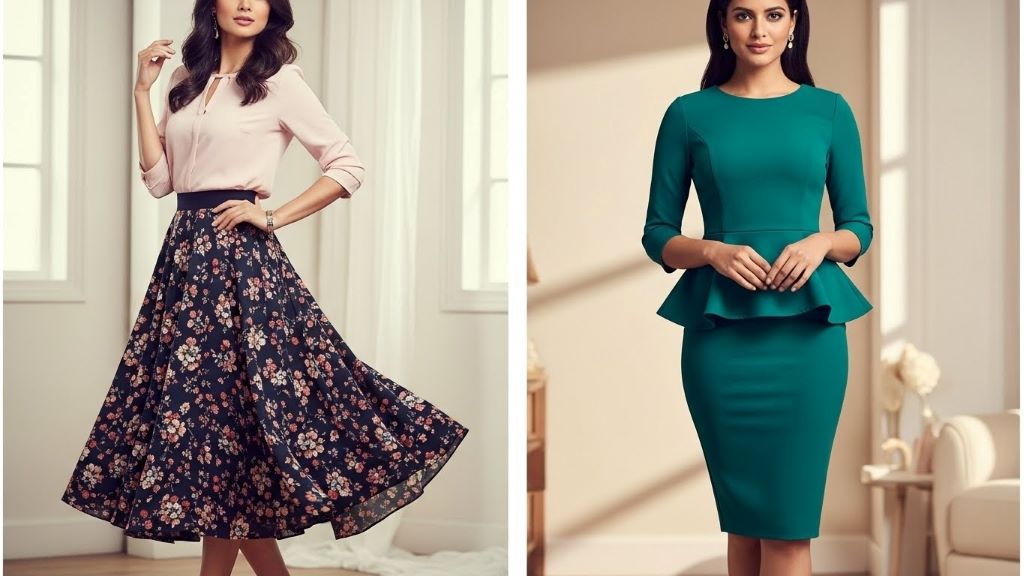
A-line skirts are perfect for narrow hips. They skim the waist and flare out gently, creating a feminine silhouette. Moreover, this classic style works for both casual and professional settings.
Peplum skirts add instant volume at the hip area. The ruffled layer creates curves where you want them most. Therefore, peplum styles rank among the most effective narrow hip solutions.
Circle skirts and full midi skirts provide dramatic volume. These styles work beautifully for special occasions or when you want a bold look. According to Vogue’s body shape guides, understanding which skirt silhouettes flatter your proportions elevates your entire wardrobe.
Tiered skirts offer built-in dimension through layered fabric. Each tier adds visual weight to your lower half. Additionally, these styles come in countless lengths and fabrics for versatile styling options.
Pattern and Texture Strategies
Horizontal stripes on bottoms widen narrow hips visually. This optical illusion works remarkably well without adding actual bulk. Furthermore, stripes create a playful, modern aesthetic.
Bold prints and patterns draw eyes to the hip area. Floral pants, geometric skirts, or abstract prints all serve this purpose effectively. Meanwhile, keeping tops simpler prevents overwhelming your frame.
Textured fabrics like corduroy, tweed, or quilted materials add physical dimension. These fabrics naturally create more volume than smooth materials. Consequently, they work perfectly for pants and skirts when styling narrow hips.
Ruffles, frills, and embellishments on bottoms create instant curves. Side ruffles, pocket details, or decorative seams all add visual interest. However, balance is key to avoiding costume-like appearances.
Top Selection for Balanced Proportions
Fitted tops balance wider bottoms beautifully. Tucking shirts into high-waisted pants emphasizes your waistline while showing off volume below. Similarly, cropped tops work well with high-waisted bottoms.
V-neck and scoop-neck tops draw eyes downward. This creates a vertical line that complements wider bottoms. Additionally, these necklines elongate your upper body naturally.
Avoid extremely oversized tops that hide your waistline. While trendy, they can make narrow hips disappear entirely. Instead, choose tops with some structure that define your upper body.
Accessorizing to Enhance Lower Body Volume
Belts at the natural waist create definition and draw attention to your midsection. This makes the transition from waist to hips more noticeable. Moreover, statement belts add personality to simple outfits.
Hip belts worn low add width exactly where needed. These accessories literally create a horizontal line at hip level. Furthermore, they work particularly well with dresses and longer tops.
Scarves tied around the waist or hips serve a similar purpose. This bohemian styling trick adds both color and dimension. Additionally, scarves offer endless versatility through different tying methods.
Dress Styles for Narrow Hips
Fit-and-flare dresses naturally complement narrow hips. The fitted bodice shows off your upper body while the flared skirt adds lower body volume. Therefore, this dress style ranks as a wardrobe essential.
Wrap dresses cinch at the waist and flow outward. This creates an hourglass illusion through strategic draping. According to fashion experts at Harper’s Bazaar, wrap dresses remain universally flattering across body types.
Empire waist dresses work well when the skirt has sufficient volume. The high waistline paired with flowing fabric creates balanced proportions. However, avoid styles that hang too straight from the bust.
Color Blocking Techniques
Using lighter colors on your lower half and darker colors on top creates visual balance. Light colors advance while dark colors recede. Consequently, this technique makes hips appear wider and shoulders narrower.
Color blocking at the hip line draws horizontal attention. Dresses with contrasting panels at hip level effectively add width. Similarly, pants with different colored side panels create dimension.
Monochromatic dressing elongates your silhouette while strategic color placement adds curves. This sophisticated approach works for professional and formal settings particularly well.
Avoiding Common Styling Mistakes
Skinny jeans alone can emphasize narrowness rather than balance it. Pair them with longer, flowing tops or layer with hip-length jackets. Additionally, boots help create more volume at the lower leg.
Pencil skirts without strategic styling may not provide enough hip emphasis. However, pairing them with peplum tops or wearing textured versions solves this issue effectively.
Avoiding all fitted clothing creates shapelessness rather than curves. Balance is essential. Therefore, combine fitted pieces with volume-adding elements strategically.
Conclusion
Styling narrow hips successfully comes down to understanding proportion and using strategic techniques. By incorporating volume through skirt styles, patterns, textures, and accessories, you create a balanced and flattering silhouette. Remember that fashion should celebrate your unique body rather than conform to a single ideal. Experiment with different combinations to discover what makes you feel most confident. With these techniques, narrow hips become an asset that allows for diverse and exciting styling possibilities.
Frequently Asked Questions
What body shape typically has narrow hips?
Rectangular and athletic body shapes commonly feature narrow hips. The inverted triangle shape also has narrower hips compared to shoulders. Additionally, some hourglass figures may have relatively narrow hips depending on overall proportions.
Do high-waisted pants work for narrow hips?
Yes, high-waisted pants work exceptionally well for narrow hips. They create a defined waistline and make the transition to hips more pronounced. Moreover, pairing them with tucked-in tops emphasizes this effect beautifully.
Should I avoid wearing skinny jeans if I have narrow hips?
You do not need to avoid skinny jeans completely. However, balance them with volume on top or layer with longer jackets. Additionally, ankle boots help create more visual weight at the bottom of your silhouette.
What type of pockets are best for narrow hips?
Flap pockets, patch pockets, and decorative pockets add dimension to narrow hips. These pocket styles physically add volume and draw visual attention. Consequently, they work better than flat or hidden pockets for this body type.
Can exercises change narrow hip width?
While exercise builds muscle in the glute and hip area, bone structure determines actual hip width. Strength training can enhance curves through muscle development. However, styling techniques provide immediate visual balance regardless of fitness level.
Related Topics:
Dallas Everyday Style: Outfit Ideas + Local Finds


