

Cycling is a fantastic way to combine exercise with the joy of exploring the outdoors. It’s low-impact, adaptable to different fitness levels, and offers numerous health benefits. To enhance your ride and enjoy your favorite tunes, you might consider investing in speakers for bicycles, which can make your bicycle fitness even more enjoyable. Let’s delve into how you can leverage cycling to get in shape and improve your overall well-being.
The Fitness Benefits of Cycling
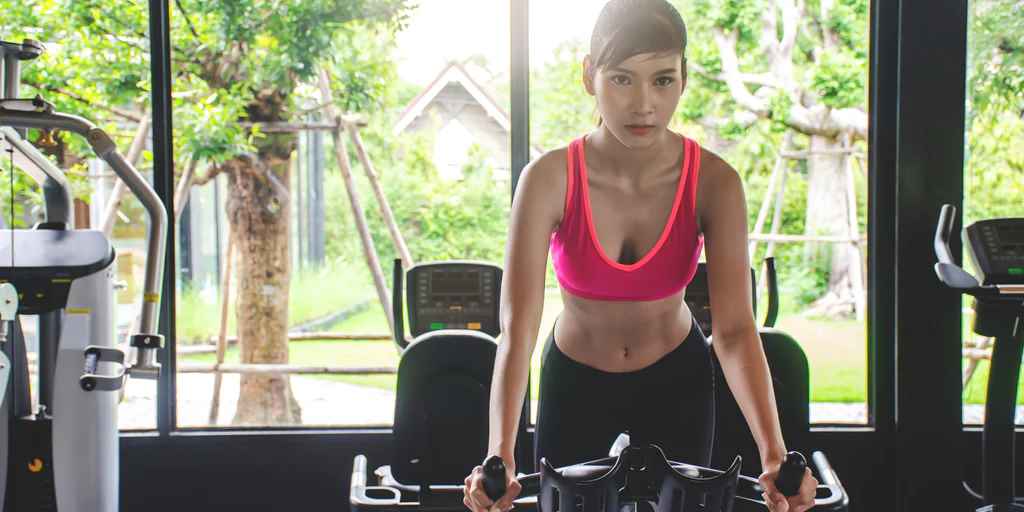
- Cardiovascular Health: Cycling is a fantastic cardiovascular workout. Regular cycling strengthens your heart, improves blood circulation, and lowers your risk of heart disease, stroke, and high blood pressure.
- Muscle Strengthening: Cycling primarily works the lower body muscles, including your quads, hamstrings, glutes, and calves. You’ll also engage your core and upper body muscles to maintain balance and control.
- Improved Endurance: Consistent cycling builds endurance, allowing you to ride longer distances and tackle challenging terrains.
- Weight Management: Cycling burns calories, aiding in weight management and fat loss. The number of calories burned depends on factors like intensity, duration, and terrain.
- Mental Health: Cycling releases endorphins, boosting mood and reducing stress and anxiety. The combination of fresh air and scenic views further enhances mental well-being.
- Joint-Friendly: Cycling is a low-impact exercise that puts minimal stress on your joints, making it suitable for people with joint pain or injuries.
- Enhanced Coordination and Balance: Cycling requires coordination and balance, which improve over time with regular practice.
- Immune System Boost: Moderate exercise like cycling strengthens your immune system, making you less susceptible to illness.
Getting Started with Cycling
- Choose the Right Bike: Select a bike that suits your needs and riding style. There are various types, including road bikes, mountain bikes, hybrid bikes, and cruisers. If you’re unsure, consult a bike shop for guidance.
- Gear Up: Invest in essential gear, including a helmet, comfortable clothing, and cycling gloves. Consider padded shorts for longer rides to enhance comfort.
- Start Slow: Begin with shorter, easier rides and gradually increase the duration and intensity as your fitness improves.
- Warm Up and Cool Down: Always warm up before starting your ride and cool down afterward to prevent injuries and promote recovery.
- Focus on Proper Form: Maintain a relaxed grip on the handlebars, keep your back straight, and avoid hunching over. Adjust your seat height so your legs are slightly bent at the bottom of the pedal stroke.
- Stay Hydrated: Carry water and drink regularly, especially during longer rides or hot weather.
- Fuel Your Body: If you’re planning a longer ride, consume a balanced meal or snack beforehand to provide energy.
Incorporating Cycling into Your Fitness Routine
- Commuting: Replace your car with a bike for your daily commute, if possible. It’s an excellent way to incorporate exercise into your routine.
- Recreational Rides: Explore bike trails or scenic routes on weekends for a fun and refreshing workout.
- Group Rides: Join a cycling club or group for motivation and camaraderie.
- Interval Training: Incorporate high-intensity intervals into your rides to boost your fitness and burn more calories.
- Strength Training: Combine cycling with strength training exercises to enhance overall fitness and performance.
Cycling Safety Tips
- Obey Traffic Laws: Follow all traffic rules and signals.
- Be Visible: Wear bright clothing and use lights and reflectors, especially when riding in low-light conditions.
- Use Hand Signals: Communicate your intentions to other road users using clear hand signals.
- Stay Alert: Be aware of your surroundings and watch out for vehicles, pedestrians, and other cyclists.
- Ride Defensively: Anticipate potential hazards and be prepared to react.
Overcoming Challenges
- Soreness: Muscle soreness is common, especially when starting. Gentle stretching, massage, and rest can help alleviate discomfort.
- Weather: Dress appropriately for the weather and avoid riding in extreme conditions.
- Motivation: Find a cycling buddy or join a group to stay motivated. Set goals and track your progress to stay on track.
Advanced Cycling Tips
- Cadence: Aim for a cadence of 80-100 revolutions per minute (RPM) for optimal efficiency and to reduce stress on your knees.
- Hill Climbing: Shift to a lower gear to maintain a comfortable cadence when climbing hills.
- Descending: Maintain control and use your brakes sparingly to avoid overheating.
- Nutrition: Consume carbohydrates and protein after your ride to replenish glycogen stores and aid in muscle recovery.
Conclusion
Cycling is a versatile and enjoyable activity that offers numerous physical and mental health benefits. Whether you’re a beginner or an experienced cyclist, incorporating cycling into your fitness routine can improve your overall well-being and help you achieve your fitness goals. So, grab your bike, hit the road, and enjoy the ride!
Remember:
- Listen to your body: If you experience pain or discomfort, stop and rest.
- Consult your doctor: If you have any health concerns, talk to your doctor before starting a new exercise program.
- Have fun: Enjoy the journey and the scenery. Cycling is a fantastic way to stay active and explore the world around you.
Disclaimer: This article is intended for informational purposes of bicycle fitness only and should not be considered a substitute for professional medical advice. Always consult your doctor before starting any new exercise program.