

Dog shock collars, also known as e-collars or remote training collars, are tools used to train dogs through the delivery of a mild electric stimulation. While they can be effective, their use is controversial and requires careful consideration and responsible handling.
How Shock Collars Work
Shock collars consist of two main components:
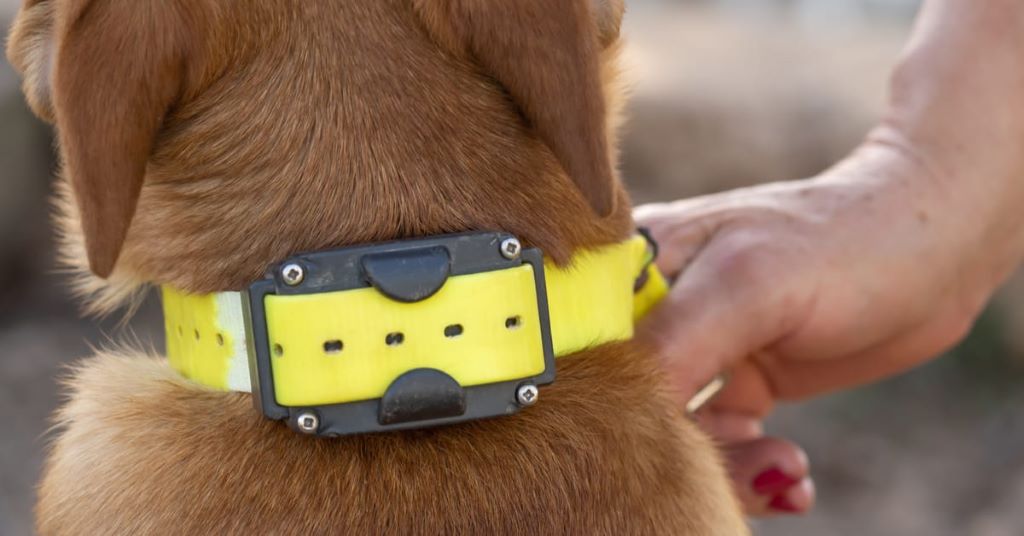
- Collar Receiver: This is worn around the dog’s neck and contains the electronics that deliver the stimulation.
- Remote Transmitter: Held by the trainer, this allows them to send signals to the receiver to activate the stimulation.
The stimulation levels are usually adjustable, ranging from a light tingling sensation to a stronger, but still safe, jolt.
When to Consider a Shock Collar
Shock collars are not appropriate for every dog or every training situation. They are generally considered for:
- Behavioral Issues: Shock collars may be used for addressing specific behaviors like excessive barking, aggression, or chasing.
- Off-Leash Training: In controlled environments, they can help reinforce commands when a dog is off-leash and out of immediate reach.
- Working Dogs: Handlers of working dogs may use them to communicate commands over long distances.
Important Note: Shock collars should never be used as a first-line training tool. Positive reinforcement techniques, like rewards and praise, should always be the primary focus.
Related: Can Dogs Eat Guava? A Fruity Delight or Potential Hazard
How to Use a Shock Collar Responsibly
- Consult a Professional: Always seek guidance from a certified dog trainer or behaviorist before using a shock collar. They can assess your dog, recommend the right type of collar, and teach you proper techniques.
- Start Low: Begin with the lowest stimulation setting and gradually increase it only if necessary. The goal is to get your dog’s attention, not to cause pain.
- Timing is Key: The stimulation should be delivered at the exact moment of the unwanted behavior to create a clear association.
- Pair with Positive Reinforcement: Use the shock collar in conjunction with rewards and praise to reinforce desired behaviors.
- Avoid Overuse: Don’t rely on the collar as the sole training method. Limit its use to specific situations and gradually phase it out as your dog learns.
Choosing the Right Shock Collar
- Type: There are different types of shock collars, including those with continuous stimulation, momentary stimulation, and vibration-only options. Consult a professional to determine the best type for your dog.
- Fit: Ensure the collar fits snugly but not too tightly. You should be able to fit two fingers between the collar and your dog’s neck.
- Quality: Invest in a high-quality collar from a reputable brand. Cheaper models may have inconsistent stimulation levels or be less durable.
Potential Risks and Considerations
- Physical Harm: Improper use can lead to physical discomfort or even injury for your dog.
- Psychological Effects: Misuse can create anxiety, fear, or aggression in your dog.
- Ethical Concerns: Some consider shock collars to be inhumane, regardless of how they’re used.
Alternatives to Shock Collars
There are many effective and humane training methods that don’t involve shock collars, including:
- Positive Reinforcement: This involves rewarding desired behaviors with treats, praise, or play.
- Clicker Training: This uses a clicker sound to mark the exact moment of a desired behavior, followed by a reward.
- Training Collars with Other Features: Some collars use vibrations, beeps, or spray to get a dog’s attention.
Always prioritize your dog’s well-being and choose the training methods that work best for both of you.
Let me know if you’d like any part of this expanded or adjusted!